
Last updated November 25, 2026
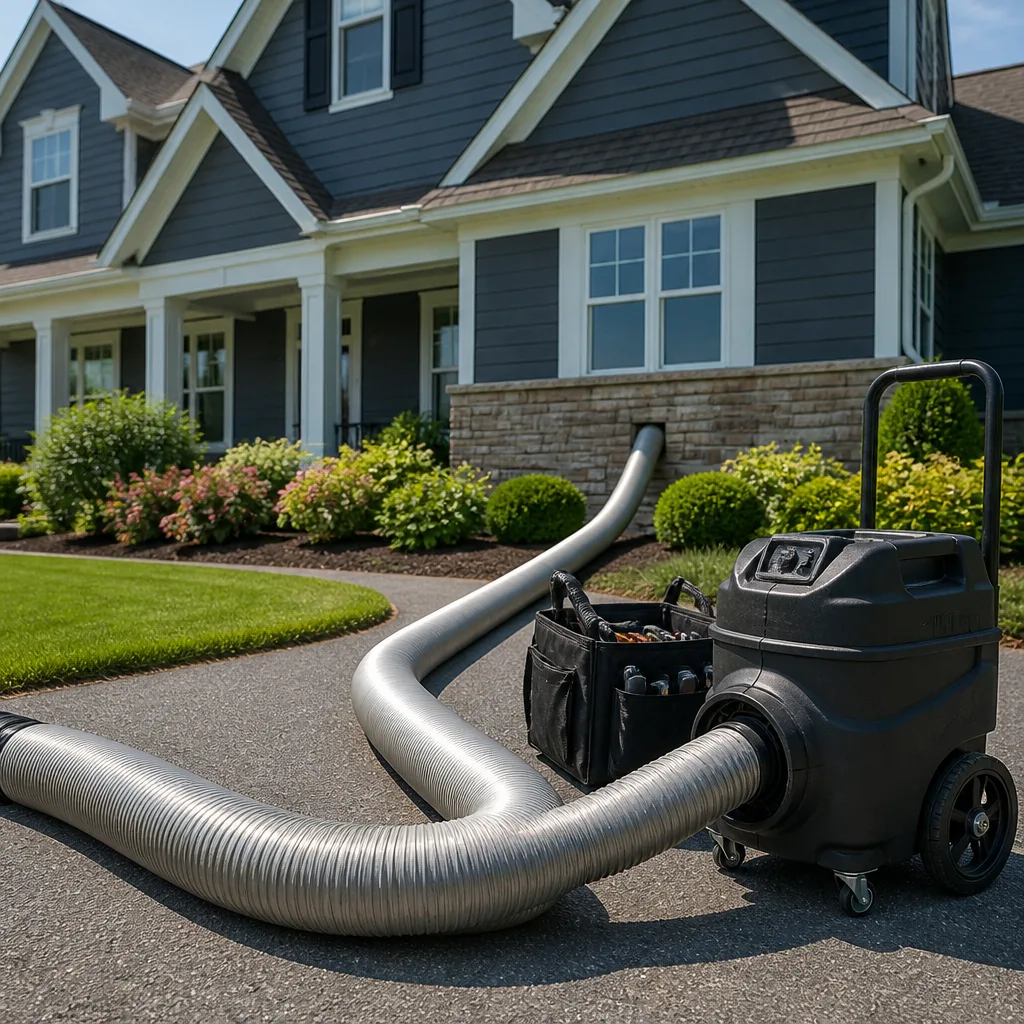 Whole-home duct cleaning
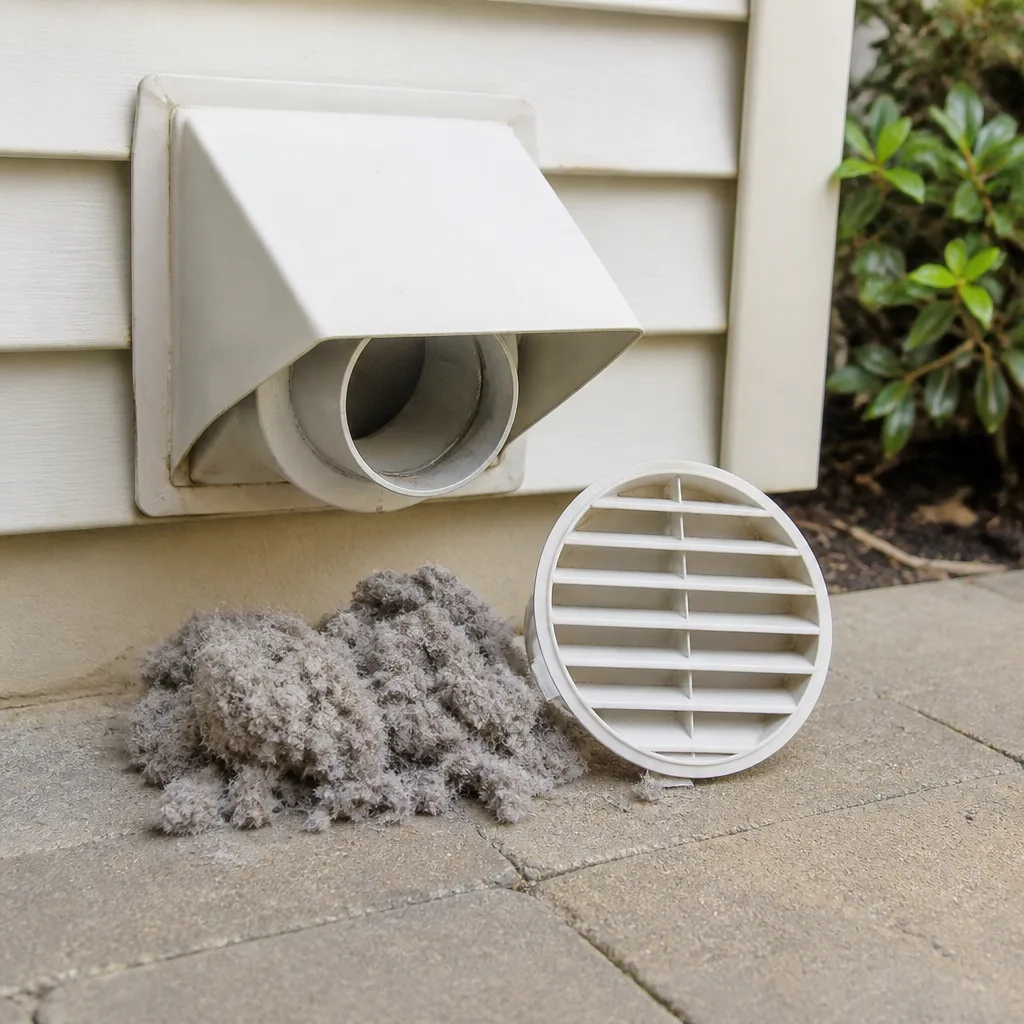 Dryer vent cleaning
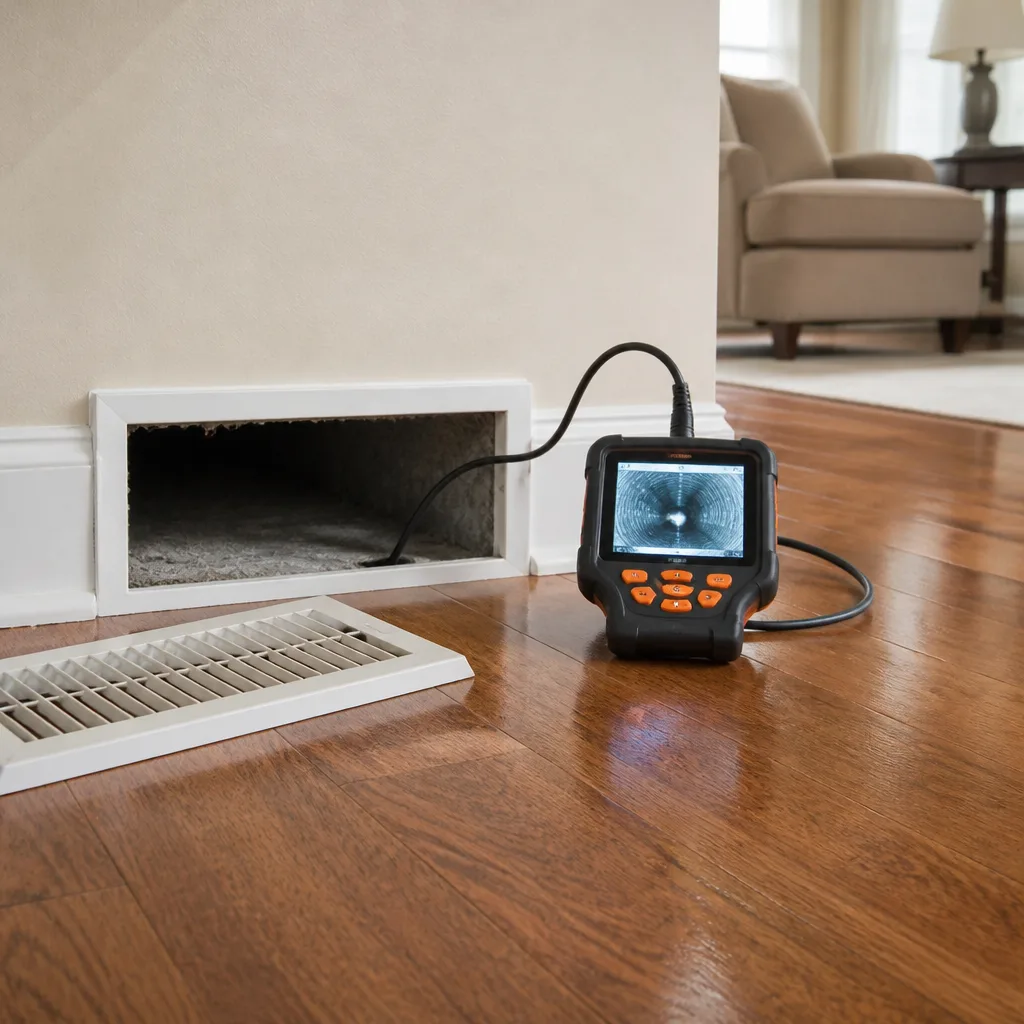 Camera inspection
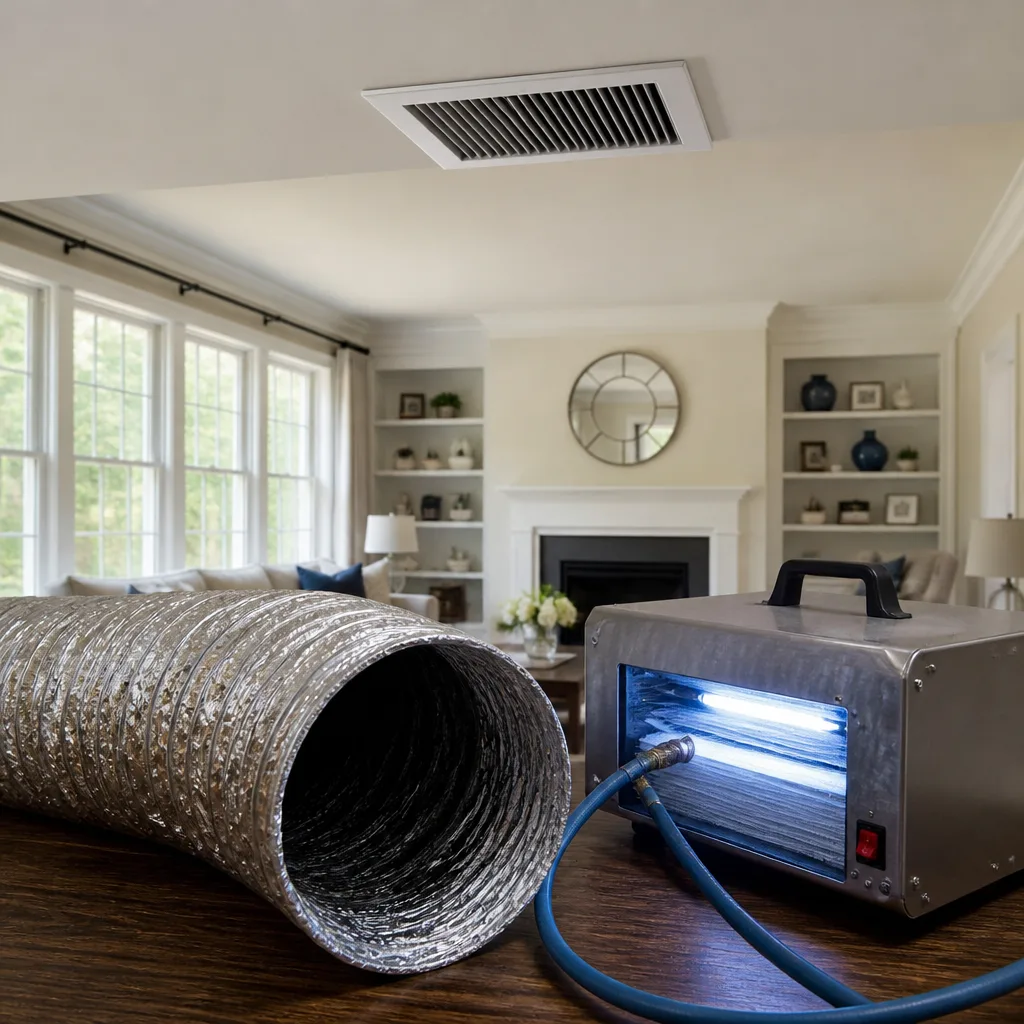 Sanitizing & deodorizing
Whole-system duct and dryer vent check with before-and-after photos - you see exactly what came out of your vents
That "$99 whole-house special" is a bait ad - the real number appears once they are in your hallway, or the "clean" is a shop-vac at the register. We photograph the inside of your ducts before and after instead.
Air Duct Cleaning Emergency Preparedness Guide for Lynnwood Homes
Most homeowners treat ductwork as a set-and-forget system. That assumption holds up fine on an ordinary week in Lynnwood, but it falls apart the moment the outside air turns against you. During Western Washington’s major wildfire smoke events, regional air quality index readings climbed above 200 for several days running, and every HVAC system still running in recirculation mode pulled fine particulate matter straight into the ductwork. Standard cleaning intervals don’t touch that kind of loading. This guide lays out the protocol most Lynnwood homes are missing: what to do before, during, and after the three emergencies that actually threaten ductwork here – smoke, water, and seismic shaking.
Quick Answer
After a smoke, flood, or earthquake emergency in Lynnwood, your ductwork should be inspected before you run the HVAC system again, and cleaned if soot, moisture, or debris has entered it. Smoke events call for filter upgrades and post-event inspection for soot and filter bypass; water intrusion triggers a 24-48 hour window before mold colonization begins; seismic shaking can tear flex duct connections and plenum seals loose, so running the system first spreads debris from damaged sections. Document everything with photos for insurance before anyone touches the system.
Styles & brands we work with
- Whole-home duct cleaning
- Dryer vent cleaning
- Camera inspection
- Sanitizing & deodorizing
Table of Contents
- Why ductwork is an emergency vector in Lynnwood
- Wildfire smoke protocol for Lynnwood ductwork
- Flood and water intrusion protocol
- Earthquake damage inspection protocol
- How to document contamination for insurance
- Pre-emergency preparation checklist
- When cleaning is not enough
Why Ductwork Becomes the Contamination Vector in Lynnwood
Lynnwood sits in a region with a very specific hazard profile. Three of them converge on the same piece of equipment: your HVAC system. Wildfire smoke from fires east of the Cascades drifts into Puget Sound and settles into the low-lying neighborhoods. Atmospheric river events dump inches of rain in a matter of hours and find every crawlspace and basement opening. And the Cascadia Subduction Zone sits offshore, capable of shaking the region hard enough to disconnect ductwork you never see.
Each of these events has a different relationship with your ducts, and most homeowners conflate the three. That’s the first mistake. Smoke is a particulate problem. Water is a biological problem. Earthquake shaking is a structural problem. Your response should be different in each case, and your cleanup should be different too.
Ducting is essentially a collection of tubes moving air between your furnace or air handler and every room. Whatever is outside enters through the return side, gets filtered (or bypasses the filter), and either settles in the duct walls or keeps circulating. Heavily loaded ductwork means the system is redistributing contamination every time it runs. That’s the piece most Lynnwood homeowners overlook when they read about emergency preparedness – the emphasis always lands on generators, water storage, and window sealing, not the air distribution system sitting behind their walls.
Knowing how a full-home duct cleaning in Lynnwood works outside of emergencies is worth understanding before something happens. Emergencies compress your decision-making window, and you don’t want to be learning the basics in the middle of a smoke week or after a foot of water in the crawlspace.
Wildfire Smoke Protocol for Lynnwood Ductwork
During a smoke event, your HVAC system is either part of the solution or part of the problem. In recirculation mode with a properly rated filter, it can help clean indoor air. In fresh-air intake mode or with an undersized or bypassing filter, it’s actively pulling smoke into the ducts. The decision hinges on your filter setup and whether your system is bringing in outside air.
Which filters actually block PM2.5
Not every filter in a Lynnwood home is doing what the homeowner thinks. A standard fiberglass filter catches large dust and hair but has almost no effect on fine particulate matter – the PM2.5 that drifts in during wildfire events and lodges deep in lung tissue. To genuinely reduce smoke particulates, you need a filter rated MERV 13 or higher. Higher MERV ratings capture finer particles, but a system that wasn’t designed for the added resistance can lose airflow and strain the blower motor if you step up without checking static pressure.
Here’s the practical approach:
- Know your filter slot’s maximum MERV rating before smoke season.
- Have MERV 13 filters (or the highest your system can safely handle) on hand before wildfire season begins, not after.
- Check for filter bypass – gaps around the filter that let air flow around it, not through it. A high-rated filter with a bad seal is close to useless.
- Change filters more often during an event, not just on the ordinary schedule.
When to shut the system down
If your system brings in fresh outside air (many modern homes do, via a dedicated intake or ventilating system), the right move during a heavy smoke event is to close or shut off that intake and run the system on recirculation only. If the HVAC system itself has no filtration that can handle smoke, running it can distribute smoke and soot deeper into the ductwork. In that case, shutting down and sealing returns manually – taping over return grilles with a suitable filter material – is often the better call until air quality improves. A full HVAC cleaning after the event addresses what got into the equipment itself.
What post-event inspection looks for
After smoke events, inspection is not the same as a routine cleaning assessment. A trained inspector is looking for two specific things:
- Soot accumulation – visible darkening on duct interior walls, particularly near returns and the air handler. This is residue that plain vacuuming at the surface won’t clear.
- Filter bypass evidence – gaps, poorly sealed frames, or dust trails where air went around the filter. If bypass was occurring during the smoke event, contamination reached the ducts regardless of how good the filter was.
Lynnwood’s wildfire smoke seasons are becoming less predictable, but the pattern of late-summer smoke events is now something every homeowner here should plan around rather than react to. If you’re already due for a routine air duct cleaning, doing it before smoke season closes the window instead of opening it.
Flood and Water Intrusion Protocol
Water and ductwork are a bad combination at any time and a serious one during Cascadia-level rain events. Lynnwood’s older housing stock often places at least part of the duct system in crawlspaces, and atmospheric river events can push water into those spaces faster than homeowners realize. The moment ductwork is wetted, a 24-48 hour clock starts. Mold colonization can begin within that window under the right temperature and humidity conditions, and a wet duct system is one of the best environments mold could ask for – dark, warm, and full of dust and organic debris to feed on.
How to assess whether ductwork has been wetted
Water in a crawlspace does not always mean the ducts took on water. Flex duct sitting on the vapor barrier may have stayed above the waterline. Rigid galvanized duct with insulated jackets may have absorbed moisture into the insulation without water reaching the interior. But you can’t assume – the assessment has to be specific:
- Look at the lowest points of the duct runs first. Water collects there.
- Check the duct insulation. It holds moisture long after visible water recedes.
- Smell test: a musty or earthy smell at any register usually indicates moisture somewhere in the system.
- Inspect the air handler cabinet. A wet plenum or cabinet is a serious finding.
- Look for water staining on the vapor barrier and joists near the ducts to establish how high water reached.
- Check flex duct connections at the boots and plenum. Any sagging or displacement is a red flag.
What changes in the 24-48 hour window
Within the first 24-48 hours, run a dehumidifier if you can and shut off the HVAC system to prevent moisture-laden air from circulating through the home. Do not run the system hoping it will dry the ducts – it won’t, and it distributes mold spores throughout the house. Get the system inspected professionally. If the ducts are wet, drying with proper equipment is the first step, followed by cleaning and sanitizing. Products like Guardsman sanitizing systems, which we use on air quality treatments, are designed for the decontamination step once the system is dry.
When cleaning is insufficient
Some wetted ducts cannot be salvaged. If flex duct insulation has absorbed water and stayed wet beyond roughly the first day, cleaning won’t dry it – replacement is the honest answer. Rigid metal duct that flooded internally and sat wet for days usually needs interior cleaning, sanitizing, and re-inspection before it goes back in service. The one tool that makes this decision easier is an Abatement Technologies negative-air setup, which we use on jobs needing containment protocols – it means we can assess and work in a wet duct system without releasing debris into your living space during the process.
Earthquake Damage Inspection Protocol
After a seismic event in the Puget Sound region, the natural instinct is to check for visible damage, then turn the lights and heat back on. The order is wrong. Flex duct connections, plenum seals, and duct joints can register damage that has zero visible exterior clues. Running the system before anyone has inspected the duct run can push debris from detached sections throughout the house.
What seismic shaking does to ductwork, specifically:
- Flex duct disconnection at connections – the zip ties or clamps holding flex duct to boots and plenum connections can slip or tear under racking motion.
- Plenum seal failure – the mastic or tape sealing the air handler to the supply plenum can crack when the cabinet shifts.
- Duct hanger failure – sagging or dropped duct sections from failed hanger straps in the attic or crawlspace.
- Rigid duct joint separation – screwed and taped joints can pull apart along a seam.
- Crushed or collapsed flex runs – especially where the duct passes through framing that shifted.
The inspection protocol after a significant quake:
- Shut off the HVAC system at the thermostat and the breaker.
- Visually inspect accessible duct runs – attic, crawlspace, basement, closets.
- Look for disconnected flex at every boot and plenum connection you can see.
- Check the air handler cabinet for shifted position on its pad.
- Look for debris in the supply registers – a sign that upstream sections opened up.
- Have the system professionally inspected before restoring power.
Lynnwood sits close enough to the Cascadia Subduction Zone that seismic events are a real consideration, not a hypothetical. If your home has never had ductwork assessed for seismic-related damage and you’ve felt shaking strong enough to move furniture, it’s worth an inspection. A duct repair and sealing service is often much less expensive than the cleanup that follows running a damaged system for weeks.
How to Document Contamination for Insurance Purposes
Insurance adjusters deal in evidence, not impressions. If you want duct contamination coverage after a declared emergency, the documentation has to be specific, dated, and thorough. And it has to happen before anyone touches the system – once cleaning begins, the original evidence is gone.
What photos to take
- Wide shots of each affected room showing registers and the general condition of the home.
- Close-up photos of each register grille, showing visible soot, moisture, or debris if present.
- Photos of the air handler and plenum, with a tape measure or object for scale.
- Photos of the filter slot showing the current filter and any bypass gaps.
- Photos of the crawlspace or basement showing waterlines, wet insulation, or moisture staining.
- Photos or short video of any visibly disconnected duct sections.
- A timestamp is essential – most phone cameras embed it, but confirm it’s switched on.
What an adjuster actually needs
Adjusters want a clear chain from the emergency event to the damage. That means:
- A record of the date and type of emergency event (smoke, flood, earthquake).
- Evidence that the ductwork was intact before the event (a routine cleaning receipt or prior inspection helps).
- Photos taken as close to the event as safely possible.
- A written professional scope of work or assessment from a qualified inspector.
- Receipts for any temporary measures taken (filters, dehumidifier rental, sealant).
Duct contamination isn’t always covered as a matter of course; it often depends on your specific policy and whether the emergency itself is a covered peril. Read the exclusions in your policy carefully, and get a written professional assessment before you authorize any work. A qualified inspector should be able to describe exactly what was found, where it was found, and what cleaning or remediation is required – which is the kind of documentation an adjuster can use. If your home has Honeywell or Aprilaire air quality equipment installed, include that in your documentation – whether those components sustained damage is part of the claim too.
Pre-Emergency Preparation Checklist
The best time to prepare your ductwork for an emergency is during a quiet season. In Lynnwood, that’s usually the spring and early summer, before wildfire smoke season and before the atmospheric river rains return in the fall. Here’s the checklist we walk through with homeowners:
- Locate the HVAC shut-off. Know where the breaker for your furnace or air handler is and how to shut off the system. During smoke or water events, this is the fastest way to stop contamination from spreading.
- Identify fresh air intakes. Find any dedicated outside air intake and learn how to close it. Many homeowners don’t know they have one until they trace the ducts.
- Confirm your maximum safe filter rating. Check your system manual or ask a technician. Stocking the right MERV 13 filters before smoke season begins is a small, cheap insurance policy.
- Get a pre-season inspection. Have your ducts inspected before smoke season so you know the starting condition. This also gives you a baseline for insurance documentation.
- Seal returns manually if needed. Keep a roll of filter material and tape on hand to cover return grilles during outdoor air quality emergencies. Better yet, learn the return locations in advance so you’re not hunting around in a smoke-filled house.
- Have a plan for water in the crawlspace. Know where your ducts run, and check the crawlspace after any significant rain event. A dehumidifier ready to go saves hours in the 24-48 hour window.
- Document the starting state. Photos of your ductwork today are worth a lot if you ever need to prove the system was intact before an event.
- Upgrade air quality equipment ahead of time. If you’re going to add a whole-home air cleaner or filtration system, doing it outside of a crisis means you install a Honeywell or Aprilaire system calibrated to your house, not a stopgap.
Alongside this, dryer vent cleaning belongs on the same preparation schedule – it’s a fire-safety matter, unrelated to smoke or flood but equally important for a home that wants to be ready.
When Cleaning Is Not Enough
We’ve seen enough post-emergency ductwork to say plainly: not every situation is a cleaning job. Some are remediation jobs. The difference matters because the wrong scope either wastes money or leaves contamination behind.
Cleaning is sufficient when the contamination is surface-level and the duct materials are intact. Soot on the interior duct walls, standard dust loading from a smoke event, or a small amount of dry debris can be cleared with the right equipment. We use Rotobrush and Nikro systems on every job – purpose-built duct cleaning equipment that combines contact cleaning and negative pressure in a way no shop vac can replicate. After cleaning, a sanitizing treatment with Guardsman products handles the biological side.
Cleaning is not sufficient when:
- Flex duct insulation has absorbed water and cannot fully dry. Replacement is required.
- Duct sections have structurally failed after seismic shaking.
- Mold has colonized the duct interior. Surface cleaning alone won’t fix active growth, and abatement protocols are needed.
- Porous duct materials – fiberboard, insulated flex – have taken on smoke or water contamination at depth.
In those cases, our Abatement Technologies equipment lets us run negative-air containment so the remediation work doesn’t release debris into the home. This is the level of work that sometimes needs to be handled as a remediation project rather than a cleaning, and we tell homeowners which category they’re in honestly. If you’re calling after an emergency, call (888) 743-3075. We answer 24/7. A call outside dispatch hours is booked into the next opening, Sunday through Friday, 7am to 7pm.
Common Mistakes to Avoid
- Running the system during a smoke event without checking the filter. A standard filter in a Lynnwood home does almost nothing against PM2.5. Running the system in that state is actively pulling smoke into the ductwork – check the filter first, and shut the system down if it’s not up to the job.
- Assuming water in the crawlspace didn’t reach the ducts. Insulated flex duct absorbs moisture into its jacket without water reaching the interior. The 24-48 hour window is real, and smell at a register after flooding is a signal to stop running the system and call an inspector.
- Turning the HVAC back on after an earthquake before inspection. This is the mistake we see most often and the one that causes the most spread. Disconnected flex duct sections push debris into every room. Shut off, inspect, then restore.
- Waiting for the event to end before buying filters. By the time wildfire smoke reaches Lynnwood, hardware shelves are empty. Pre-purchase MERV 13 filters and filter material before smoke season.
- Cleaning before documenting. Once the ducts are cleaned, the evidence for an insurance claim is gone. Photo documentation happens before anyone touches the system.
- Hiring a general carpet cleaner for post-emergency ductwork. Soot and water contamination requires specific equipment – Rotobrush and Nikro systems at minimum, and Abatement Technologies containment on the heavier jobs. A shop vac and a hose won’t touch it.
- Confusing “smells clean” with “is clean.” Air fresheners and surface sprays do nothing to contamination inside ductwork. Documentation is the way to know the work was actually done – before-and-after photos of your own ducts, not a clean-looking truck outside.
See the difference
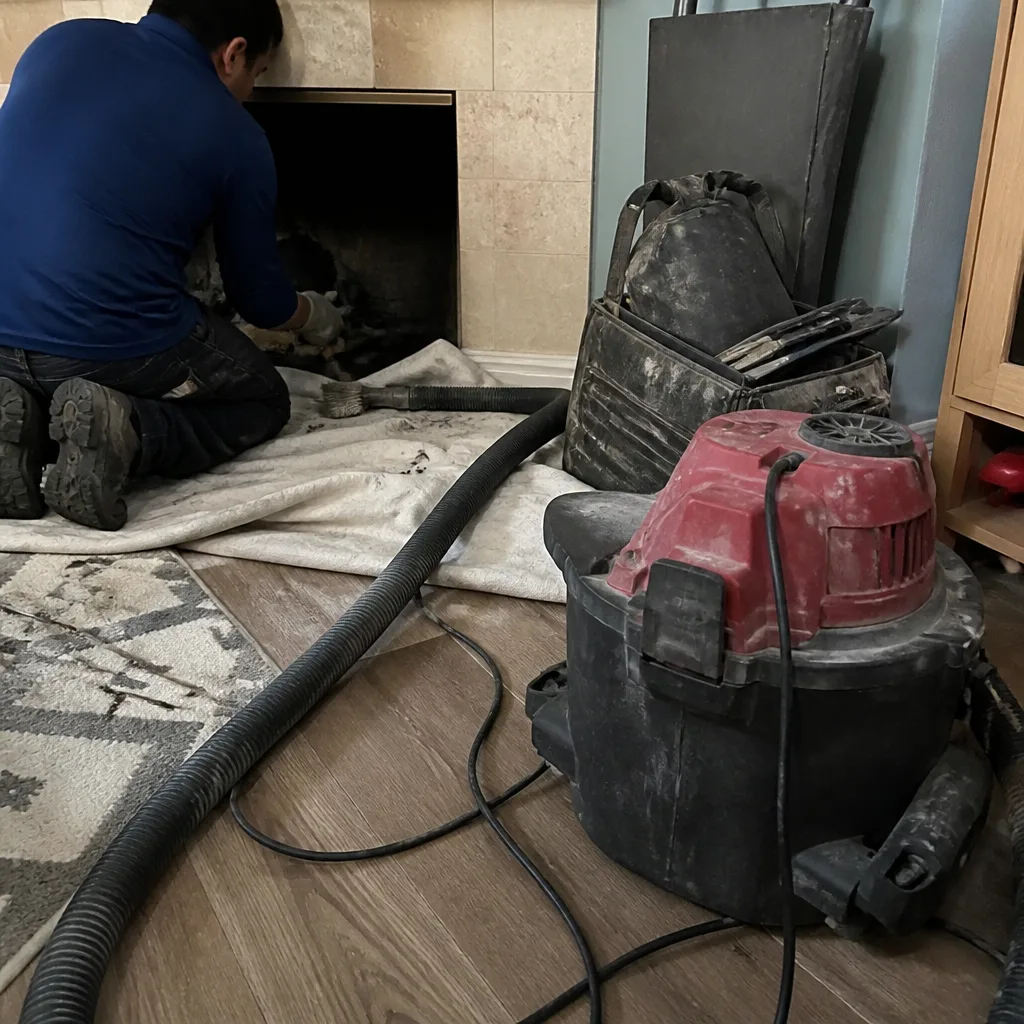 Before
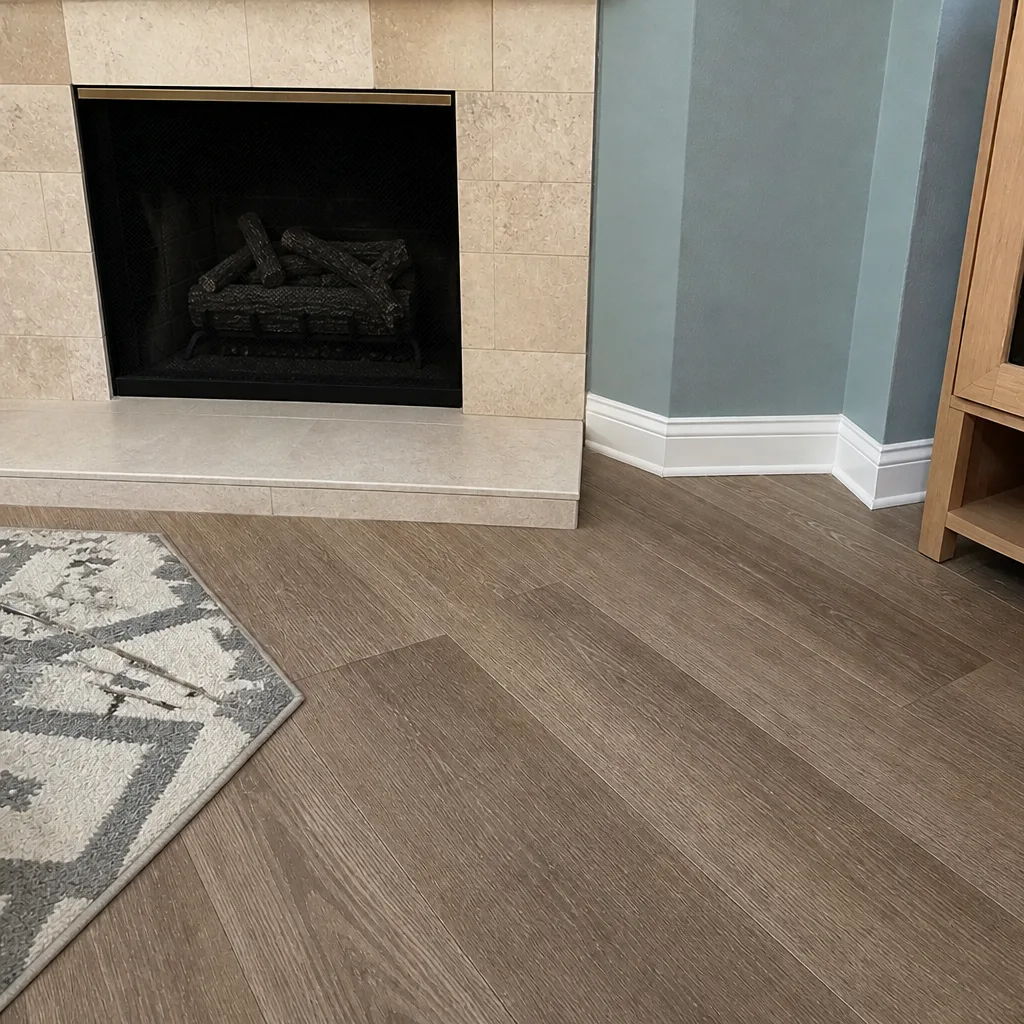 After
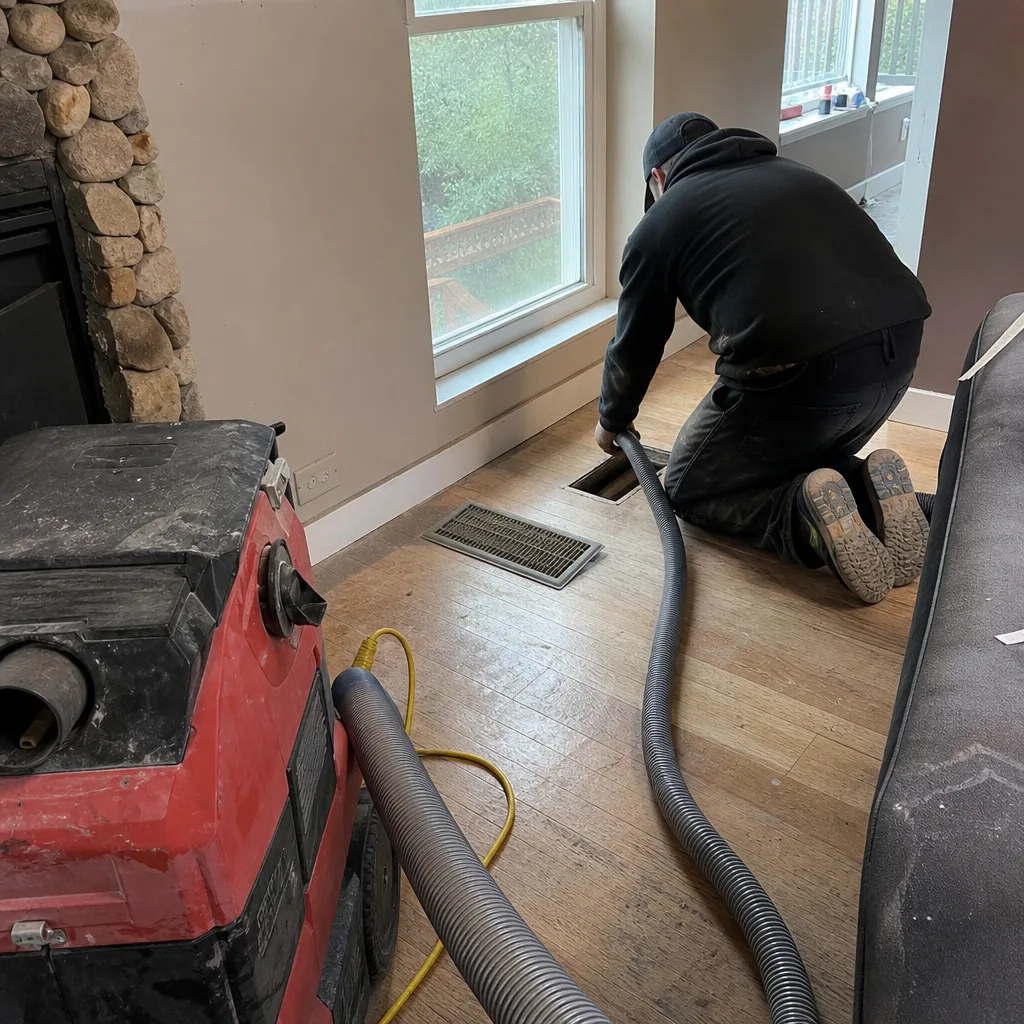 Before
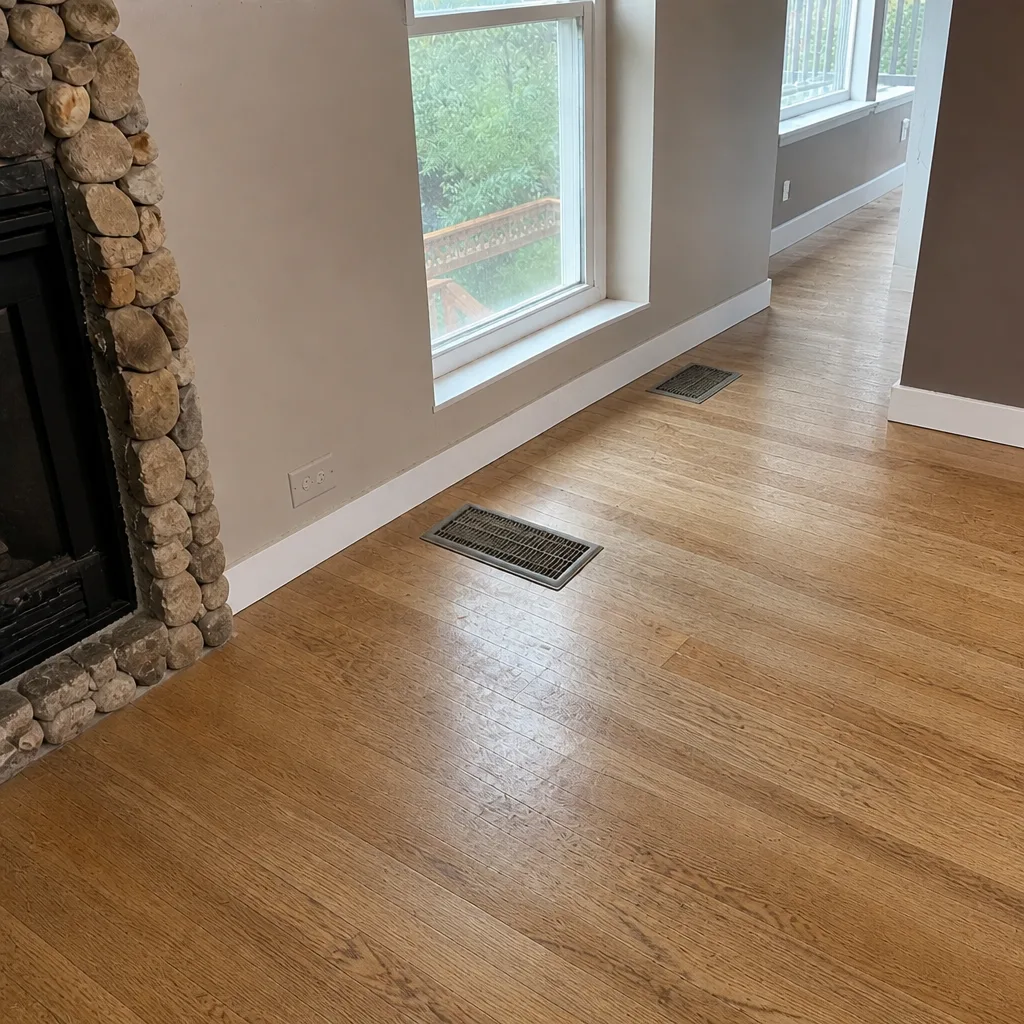 After
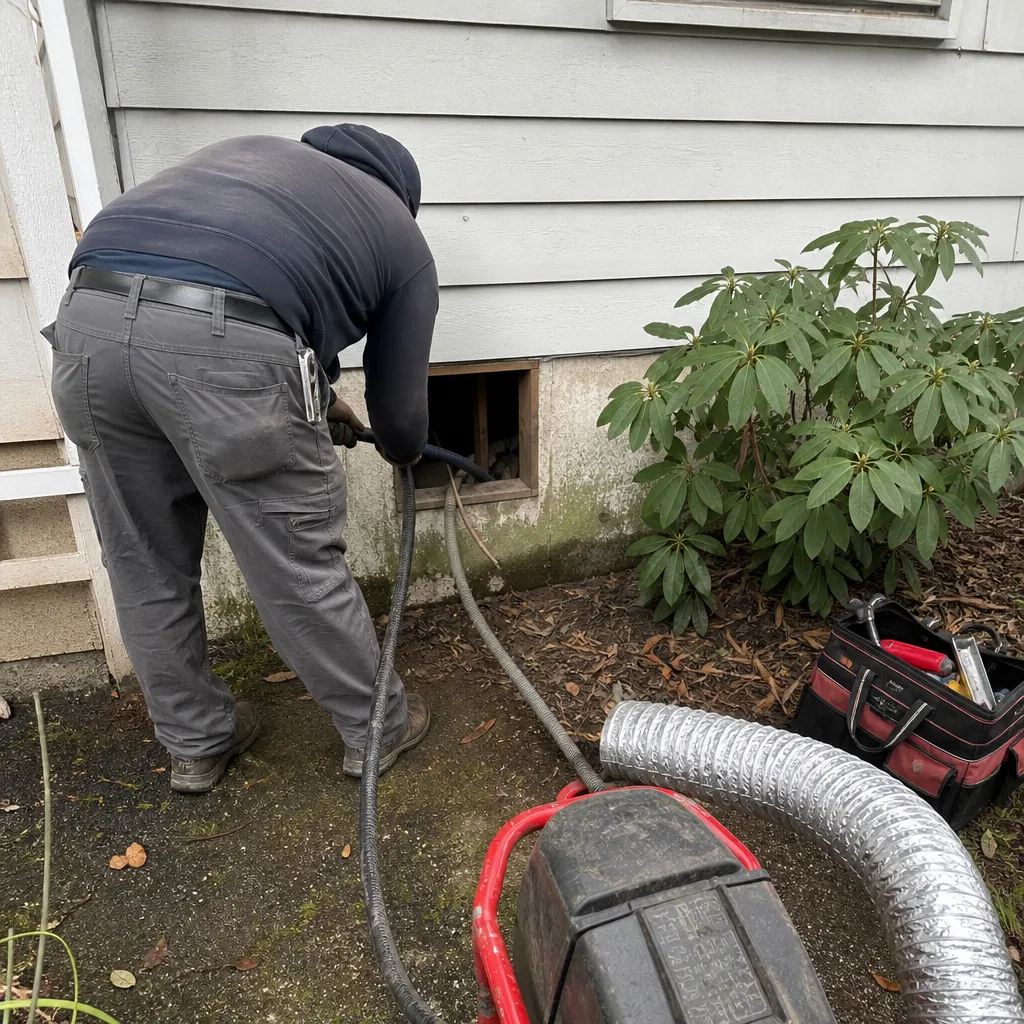 Before
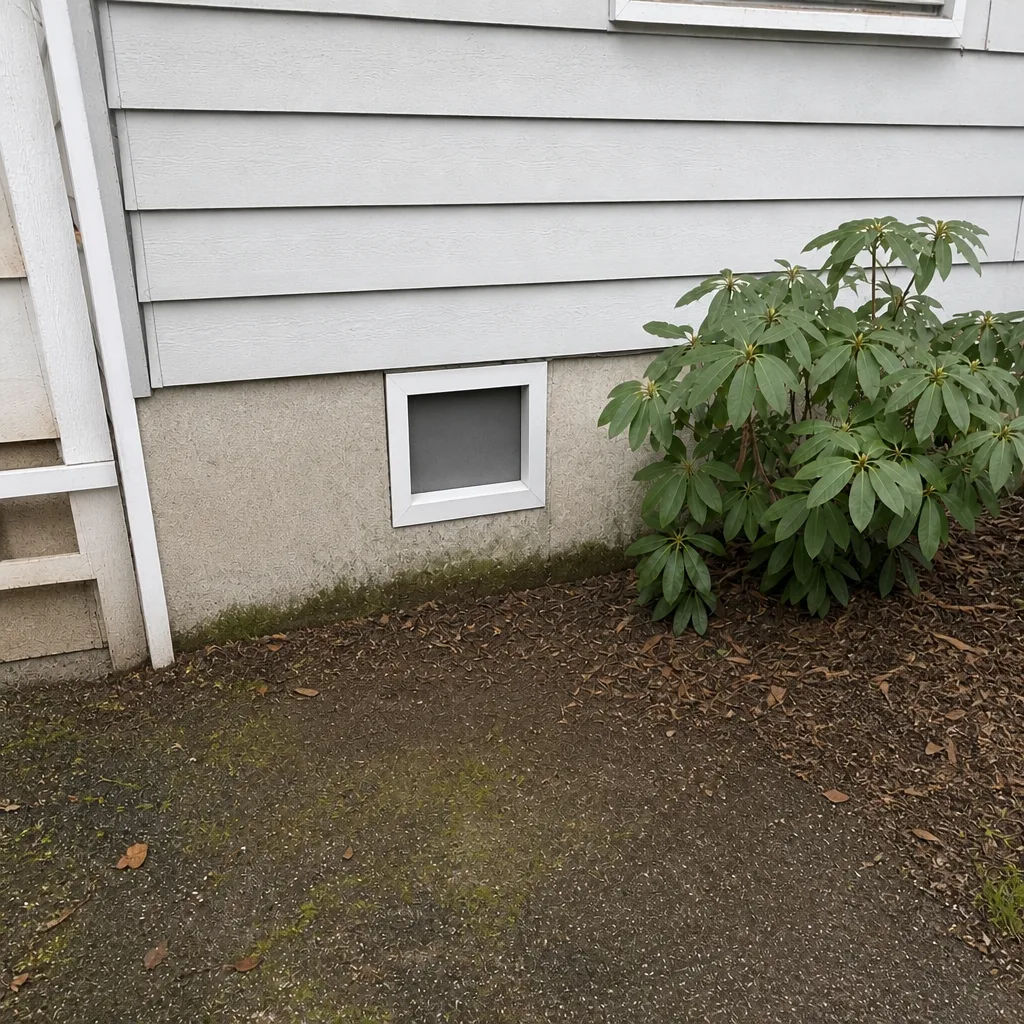 After
When to Call a Professional
Call a professional when the ductwork has been exposed to wildfire smoke, water intrusion, or seismic shaking – even if you don’t smell anything. Call when the smoke event lasted more than a day and your system was running in recirculation mode. Call when water reached the crawlspace or basement floor near any duct run. Call when you felt shaking strong enough to shift furniture and your ducts run through the attic or crawlspace. Call when the smell test at a register has changed. Call when you’re documenting for insurance and need a written assessment in the right format. Lynnwood Air Duct Cleaning offers free estimates in Lynnwood – call (888) 743-3075. We answer 24/7. Fast dispatch from 7am to 7pm, Sunday through Friday. Estimating is free, and the written estimate sets the price per job.
Frequently Asked Questions
Post-emergency air duct cleaning in Lynnwood is estimated per job, not by the vent or by the hour. The written estimate you receive – after the system is inspected and the scope is set – is the final price. There are no teaser rates, no coupon that becomes a larger invoice once we’re on site, and no charge for the estimate itself. Call (888) 743-3075 for an exact quote – estimates are free.
Yes, in most cases. A high-MERV filter does real work, but it only protects the air that actually passes through it – air that bypasses the filter (through gaps around the slot, poorly sealed frames, or return gaps) reaches the ducts regardless. Post-smoke inspection needs to look for both soot accumulation and bypass evidence, so call an inspector before assuming the filter handled everything.
You can’t tell from the surface, so the inspection has to look at the lowest duct runs, the condition of the insulation jacket, and the smell at the registers. Insulated flex duct can hold moisture without any water feeling wet to the touch. If the crawlspace floor had standing water, assume the ducts need an inspection – the 24-48 hour window before mold colonization is short and getting ahead of it saves real cost. Call (888) 743-3075 to schedule an inspection.
It depends on your policy and whether the emergency itself is a covered peril. Duct contamination isn’t always included by default. Documentation is what makes the claim work: photos taken before anyone touches the system, a written professional scope of work, and receipts for any temporary measures. Read your exclusions carefully and get a professional assessment before you authorize any cleaning work. Call (888) 743-3075 if you need a written assessment for your adjuster.
Routine cleaning intervals vary by household – pets, dust, allergies, and how often the home runs its system all matter. What changes that answer in Lynnwood is the emergency overlay: any smoke, water, or seismic event resets the interval. A home that was due for a cleaning in a year should move that up to right now after a smoke week or a wetted crawlspace. The honest answer is to inspect before you assume the interval is still valid.
Shutting down during the worst of a smoke event is often the right move, especially if the system lacks a filter capable of handling PM2.5. But shutting down doesn’t clean the ducts of what already entered. Inspection and cleaning after the event is what gets the system back to a clean baseline. If you’re not sure whether your system needs post-event cleaning, call (888) 743-3075 and we’ll walk through it.
For filtration and air quality equipment, we install Honeywell and Aprilaire systems after cleaning so the improved air quality has a mechanism to stay improved. The right equipment depends on your system’s static pressure and duct design – not a single brand answer. We’ll size it correctly after the emergency cleaning is done. Call (888) 743-3075 for a free estimate.
The Bottom Line
Lynnwood homes face three real ductwork emergencies, and they should be handled differently. Smoke events call for filter upgrades, closing intakes, and post-event inspection for soot and bypass. Water intrusion triggers a 24-48 hour containment window – inspect fast, dry if wet, and replace flex duct that can’t be dried. Earthquakes demand a full system shutdown and inspection before power is restored. Across all three, documentation before cleaning is what makes an insurance claim possible, and preparation before the season is what limits the damage in the first place. Have your ducts inspected, know your filter capacity, and keep the shutoff location memorized. If anything has happened to your system – or you’re not sure – call Lynnwood Air Duct Cleaning at (888) 743-3075 for a free estimate. We answer 24/7. Fast dispatch from 7am to 7pm, Sunday through Friday.
Written by the team at Lynnwood Air Duct Cleaning.