
Last updated November 25, 2026
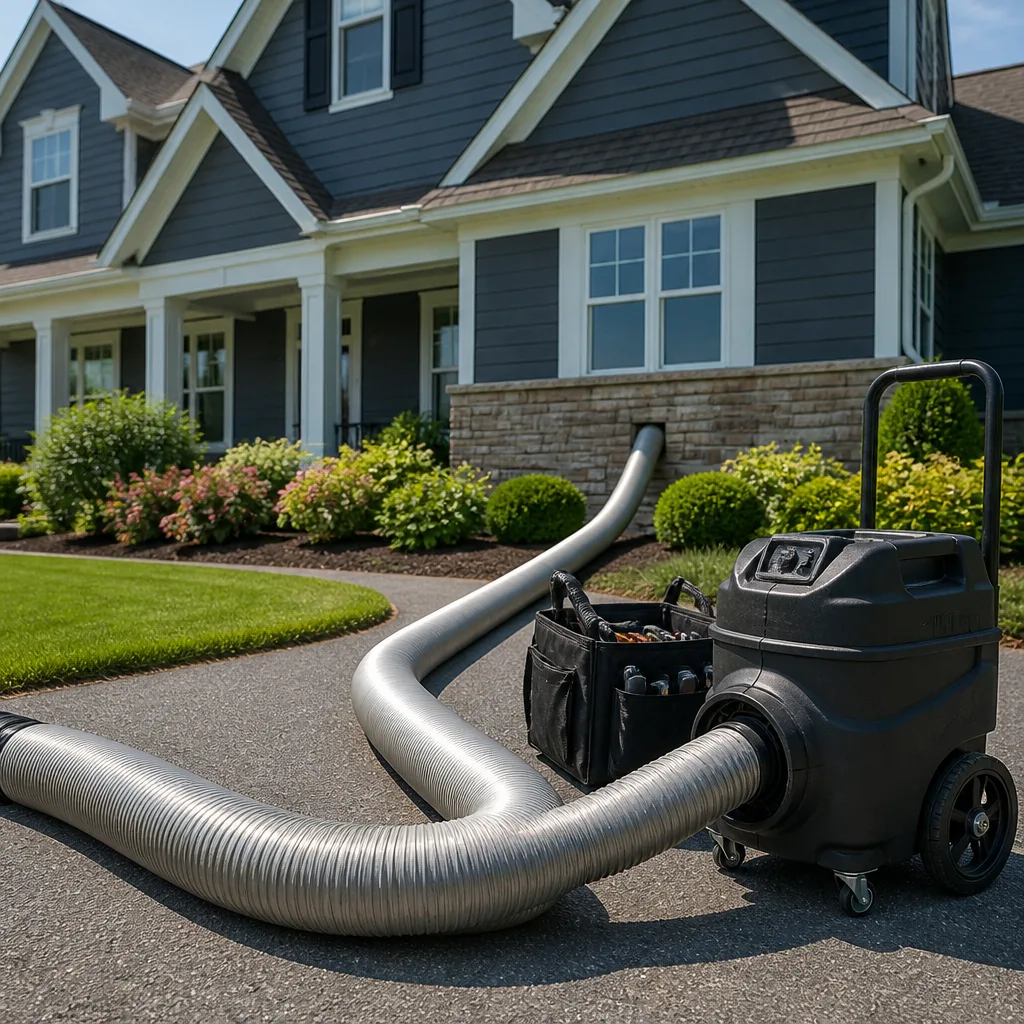 Whole-home duct cleaning
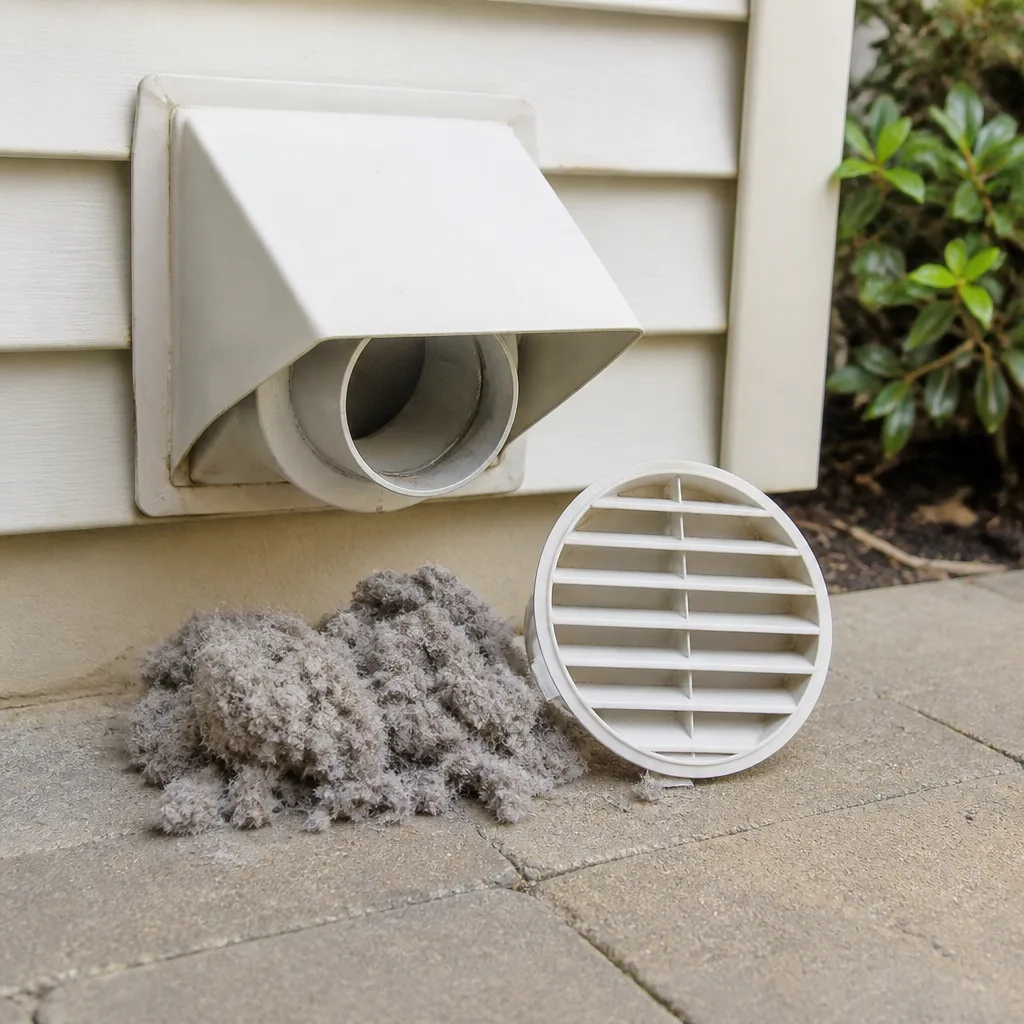 Dryer vent cleaning
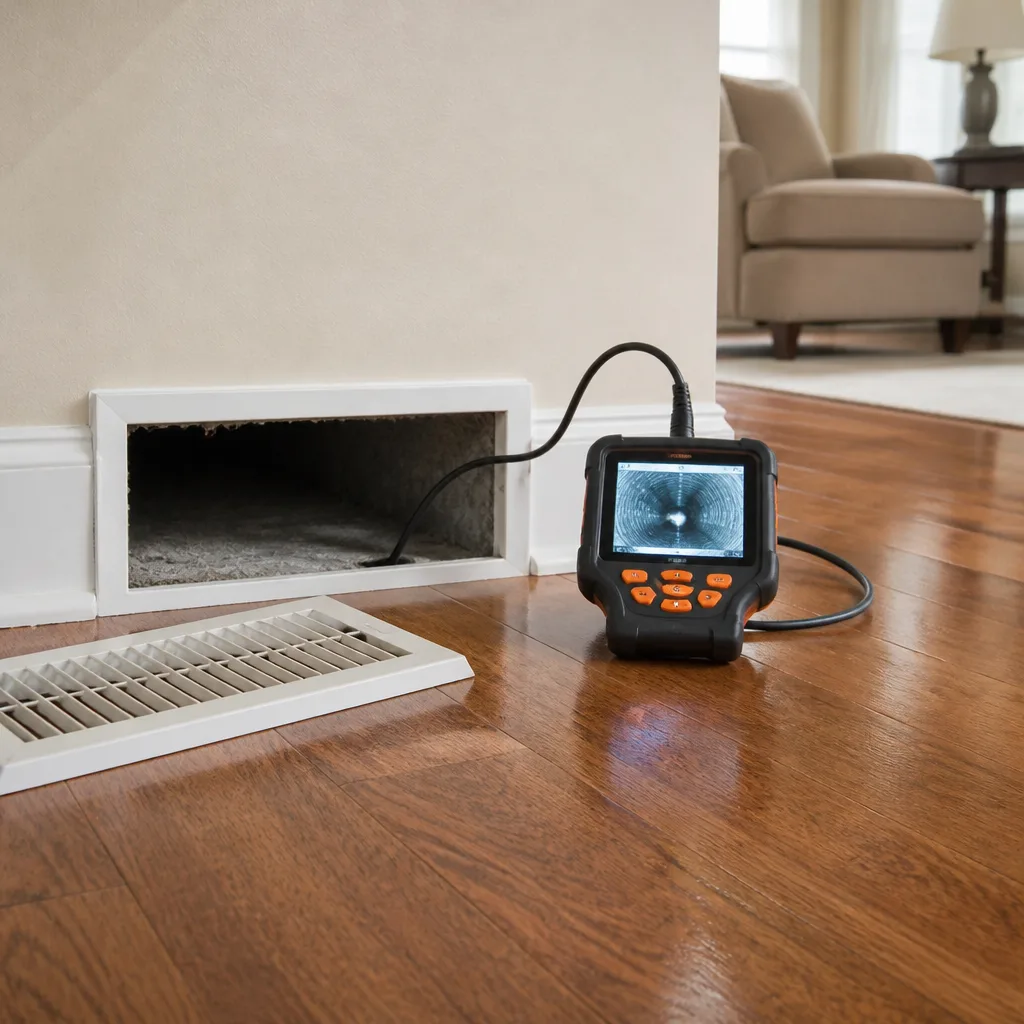 Camera inspection
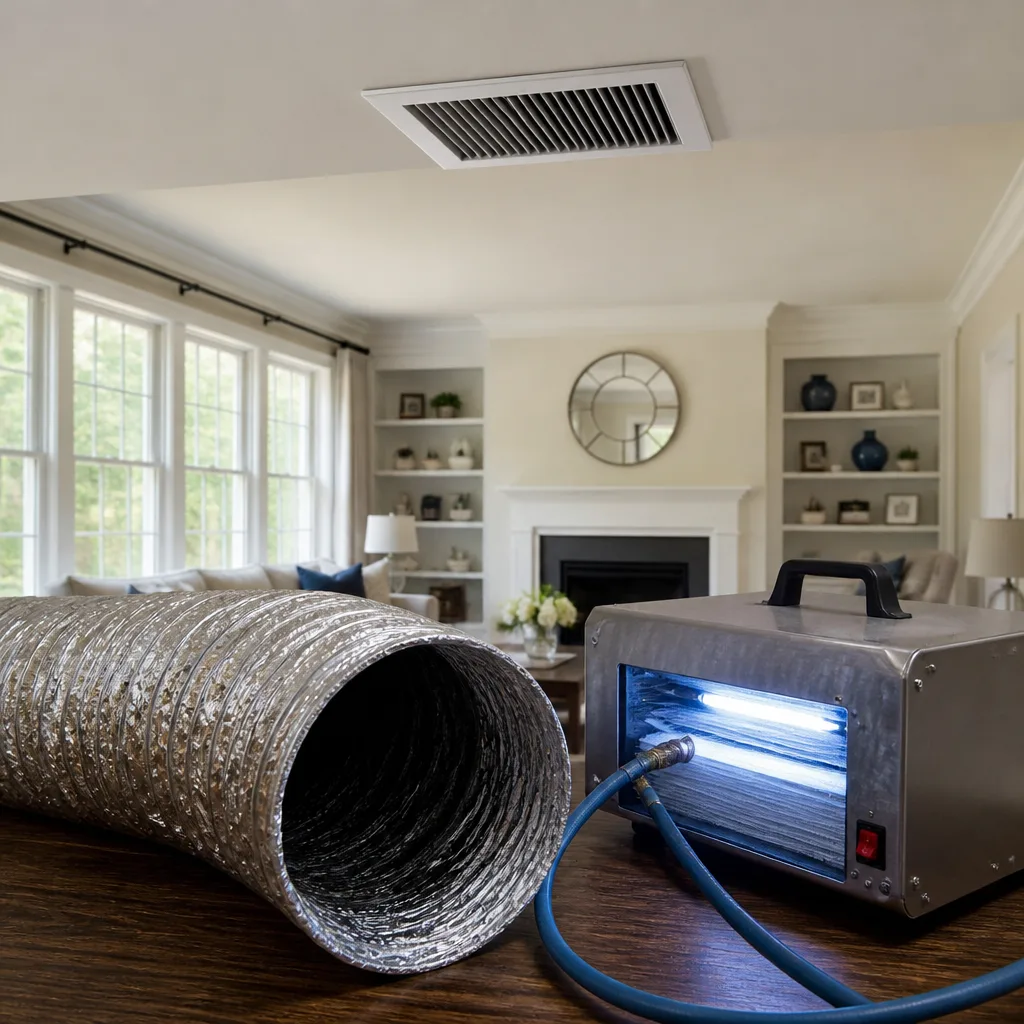 Sanitizing & deodorizing
Whole-system duct and dryer vent check with before-and-after photos - you see exactly what came out of your vents
That "$99 whole-house special" is a bait ad - the real number appears once they are in your hallway, or the "clean" is a shop-vac at the register. We photograph the inside of your ducts before and after instead.
Air Duct Cleaning Permits, Codes & Inspections in Lynnwood, WA: What You Need to Know
Here’s the part that surprises most homeowners: cleaning your ducts requires no permit at all in Washington, but a technician who reconnects a loose duct section or seals a joint with mastic during that same visit may be doing unpermitted mechanical work. That’s the line almost nobody explains up front, and it’s the line that matters when a home inspector flags undocumented repairs years later in Lynnwood. This guide draws that boundary clearly: what’s cleaning, what legally counts as mechanical work, how Snohomish County and the City of Lynnwood split permitting jurisdiction, and how to structure a duct cleaning visit so the cleaning stays simple and any repair work stays documented. You’ll learn how to ask a contractor to separate the two scopes on paper, which protects you both at resale and if an inspector ever asks.
Quick Answer
Air duct cleaning itself does not require a permit in Washington State, and it falls outside the mechanical work regulated under the state’s mechanical code. However, duct repair, reconnection, sealing that alters the system, or component replacement generally does require a permit and a licensed mechanical contractor. In Lynnwood, mechanical permits for HVAC-adjacent work are typically handled through Snohomish County or the City of Lynnwood, depending on the scope, so the key is to ask which one applies before any repair starts.
Styles & brands we work with
- Whole-home duct cleaning
- Dryer vent cleaning
- Camera inspection
- Sanitizing & deodorizing
Table of Contents
- Cleaning vs. Repair: Where the Legal Line Sits
- What Washington’s Mechanical Code Says About Ductwork
- Which Activities During a Duct Cleaning Visit Count as Mechanical Work
- Lynnwood vs. Snohomish County: Who Issues the Permit?
- What Home Inspectors Look For in Ductwork
- How to Ask a Contractor to Separate Cleaning and Repair Scope
- How to Verify a Contractor Before You Book
- What the Permit Process Actually Looks Like
Cleaning vs. Repair: Where the Legal Line Sits
The clearest way to understand this is to separate two entirely different activities that often get bundled into one visit. Cleaning is maintenance. Repair is construction. Washington regulates the second and leaves the first alone.
Cleaning means removing accumulated dust, debris, and biological buildup from the interior of the duct system. You’re not changing the system’s shape, connections, or performance characteristics; you’re restoring it to the condition it was designed to deliver. That’s why no permit enters the picture. Nobody is altering a regulated building component.
Repair is different. When a technician reconnects a boot that has separated from the floor register, re-straps a sagging run of flex duct, or applies mastic to a joint, they’ve changed the physical assembly. Under Washington’s mechanical code, that activity is regulated mechanical work, and it carries requirements about who can perform it and whether a permit is required.
In our experience in Lynnwood, this distinction catches homeowners off guard because the two activities often happen in the same afternoon. A technician pulls a disconnected run, cleans it, and reconnects it. The cleaning part was fine. The reconnection may have been unpermitted mechanical work performed by someone who wasn’t licensed to do it. Nothing goes wrong that day – which is exactly why it doesn’t get caught until much later.
That’s the crux: the risk isn’t the work itself, it’s the missing paper trail.
What Washington’s Mechanical Code Says About Ductwork
Washington State adopts the International Mechanical Code through the Washington Administrative Code (WAC), and that adoption is what gives the state authority over ductwork installation, alteration, and repair. Cleaning isn’t listed as a regulated activity in that framework. Altering or repairing ductwork is.
Here’s the practical translation of what that code structure means for a Lynnwood homeowner:
- Cleaning and maintenance – not regulated as mechanical work, no permit required, no contractor license required under the mechanical code specifically.
- Repair, replacement, or alteration of ductwork – regulated mechanical work, generally requires a permit, and requires a licensed mechanical contractor.
- HVAC equipment replacement or modification – regulated mechanical work, permit required, licensed contractor required.
- Addition of new ductwork runs – permitted mechanical work, inspection typically required before the system can be signed off.
Note the phrase “generally requires a permit.” Local jurisdictions can adopt amendments, and the specific scope of what triggers a permit versus what counts as routine repair varies. That’s why we always tell Lynnwood homeowners to confirm with the issuing authority before assuming a particular repair is permit-free. The code gives the framework; the local building department gives the answer for your specific case.
Our technicians have up to 15 years of experience, and in that time the single most common source of confusion isn’t the code – it’s that homeowners never see the distinction between cleaning and repair before the visit begins. They see one service. The code sees two. That gap is where trouble lives.
If you’re scheduling an air duct cleaning visit, it’s worth reading the scope language carefully to see whether it covers maintenance only or includes repair work that could require credentials the person performing it may not hold.
Which Activities During a Duct Cleaning Visit Count as Mechanical Work
This is the section most guides skip, and it’s the one that matters most. Here’s a realistic breakdown of what happens during a full duct cleaning, sorted by whether it touches the regulated line.
Activities that are cleaning only (no permit, no mechanical license required):
- Running a rotary brush or air whip through the duct interior to agitate and remove debris.
- Connecting a vacuum to the system and creating negative pressure to pull material out.
- Cleaning the register and grille surfaces.
- Sanitizing the duct interior after cleaning (a treatment step, not a mechanical modification).
- Cleaning the HVAC air handler components that are accessible for maintenance.
Activities that cross into mechanical work (permit and licensed contractor territory):
- Re-strapping a sagging or detached run of flex duct back to the structure.
- Reconnecting a boot that has separated from a floor register.
- Applying mastic sealant to a joint or connection that alters the system’s seal profile.
- Replacing a length of damaged flex duct.
- Adding a new register or extending a run to serve an area that wasn’t previously served.
- Modifying the duct layout around an HVAC change.
The gray area tends to be mastic and reconnection. A small dab of sealant on a minor gap is one thing. Sealing an entire disconnected run and calling it “part of the cleaning” is something else. The intent of the code is to regulate anything that changes the system, and if you’re not sure where a specific task falls, the safe assumption is that it’s mechanical work.
One way to stay on the right side of that line is to work with a full-system clean that treats the ducts, HVAC components, and registers as one connected system. Our HVAC cleaning work uses Rotobrush and Nikro equipment purpose-built for this, and when a disconnected run turns up mid-clean, we document it clearly and separate the cleaning from any repair recommendation so you can decide how to handle the repair scope on its own merits. Abatement Technologies equipment is on hand when a job calls for negative-air containment, which keeps the cleaning contained while any repair question gets sorted out.
Lynnwood vs. Snohomish County: Who Issues the Permit?
Here’s where local knowledge matters and generic guides fall apart. Permitting jurisdiction in Lynnwood depends on where within the city your home sits and what the scope of the work is.
Residential mechanical work inside Lynnwood city limits is generally handled through the City of Lynnwood’s building department for permits on mechanical systems, ductwork, and HVAC equipment. Work in unincorporated Snohomish County, or in adjacent communities, typically goes through Snohomish County’s permitting system. The boundaries aren’t always intuitive, especially for homes near the Lynnwood-Alderwood corridor, near the 196th Street SW commercial zone, or along the edges of neighboring communities.
That means the first question to ask before any duct repair isn’t “does this need a permit” – it’s “who has jurisdiction over this address?” Here’s how to find out:
- Look up your property on the Snohomish County Assessor’s parcel viewer to confirm the tax district and jurisdiction.
- If you’re inside Lynnwood city limits, contact the City of Lynnwood building department about the specific repair scope and ask whether a mechanical permit is required.
- If you’re outside city limits, contact Snohomish County’s permitting office with the same question.
- Ask the contractor you’re hiring to confirm which jurisdiction they’re working under before anything beyond cleaning begins.
You don’t need to become an expert in the split; you just need to know it exists so you can ask the right question. A contractor who can’t answer “which jurisdiction handles this permit” clearly is a contractor to consider carefully before hiring.
What Home Inspectors Look For in Ductwork
Home inspectors aren’t code enforcement – they’re not issuing permits or signing off on compliance. But they’re very good at spotting signs that a system has been modified without documentation, and those signs can turn into real complications at resale.
During a standard home inspection, inspectors look at ductwork for:
- Duct runs that visibly diverge from the original installation pattern – a run that’s clearly newer than surrounding material, or one rerouted in a way that doesn’t match the rest of the system.
- Mastic or sealant on joints that appears fresh or inconsistent with the surrounding installation quality.
- Flex duct that’s been re-strapped in a way that suggests a repair happened.
- Disconnected or improperly connected boots and registers, especially ones that appear to have been reattached.
- Missing or modified duct insulation near an area where service work clearly happened.
- Tape or sealant patterns that suggest a recent modification.
None of that is a problem in itself – plenty of ductwork gets repaired over the life of a home. The problem is when there’s no record that the work was permitted. In a Lynnwood home inspection, a buyer’s inspector who notes “recent ductwork modification, no permit on file” hands the buyer’s agent a bargaining chip, and it becomes a negotiation over whether the work was done to code and whether the seller can produce documentation. That’s a conversation most sellers would rather not have.
Documentation is the fix. Keep the permit record, keep the contractor’s written scope describing exactly what was repaired, and keep records of any inspection sign-off. A documented repair is a non-issue. The absence of one is what creates friction when you sell.
How to Ask a Contractor to Separate Cleaning and Repair Scope
This is the single most useful habit our technicians see in well-prepared customers: asking for a written scope that separates cleaning from any repair work before the visit. It protects you in three ways – legally, financially, and at resale.
Here’s how to structure that ask:
- Request a written cleaning scope first. This should describe only what’s cleaned, the equipment used, and the deliverable. No repair language mixed in.
- Ask for a separate written repair scope if the inspection turns up anything. This should describe the specific repair, who performs it, and whether it requires a permit.
- Confirm licensing for the repair scope. Cleaning doesn’t require mechanical credentials; repair does. Ask the contractor to confirm the person performing repair work is licensed for that work.
- Confirm permitting for the repair scope. Ask directly: “Does this repair require a permit, and who pulls it?”
- Get the two scopes in writing as separate documents. A single combined proposal with cleaning and repair blurred together is exactly what creates confusion later.
If a contractor pushes back on separating scopes, that’s information. It doesn’t automatically mean something is wrong, but it does mean you’re not getting the clarity you need to make a decision. In our experience, the contractors who volunteer this separation are the ones you want doing the work.
One honest observation: most duct cleaning contractors will never face this issue during a normal visit, because most visits don’t turn up disconnected runs or damaged sections. But when they do, the difference between a clean legal record and a problematic one comes down to whether the repair scope was separated and properly authorized.
If you’re also weighing a dryer vent job, the rules are simpler – dryer vent clearing sits squarely on the cleaning side and follows its own logic. Our dryer vent cleaning service handles the clearing, while repair questions around the vent run itself follow the same “separate and document” principle.
How to Verify a Contractor Before You Book
Verification is where you separate a careful hire from a risky one. The good news is it’s mostly a matter of asking the right questions and confirming the answers.
Use this checklist before booking anyone for duct-related work in Lynnwood:
- Confirm what equipment they’ll use. Consumer-grade shop vacuums don’t move enough air or create enough negative pressure to clean a residential system properly. Professional equipment like Rotobrush systems is a meaningful indicator. Our technicians use Rotobrush and Nikro systems along with Abatement Technologies negative-air equipment on jobs that call for containment.
- Ask about licensing. For cleaning, ask whether they hold the credentials the state requires for mechanical work (which tells you whether they could legally do repair work if it came up). For repair, confirm the specific license applied.
- Ask who answers the phone and how they handle repair findings. A contractor who can describe their process for what happens when a repair issue turns up during cleaning is a contractor who’s thought about it.
- Look for a documented results process. Before-and-after photos of the actual work, on your system, should be the standard.
- Check that they cover the full system. Ducts, HVAC components, and registers as one connected system. A partial clean leaves gaps.
- Ask about post-cleaning improvements. If they carry products like Honeywell or Aprilaire air quality equipment, that’s a sign of a more complete service offering. Our work includes supplying and installing Honeywell and Aprilaire systems.
For the full picture on what a proper duct clean involves, see our Lynnwood Air Duct Cleaning services page. If you’re comparing options across the area, the same verification logic applies – ask the same questions everywhere and see who gives you the clearest answers.
What the Permit Process Actually Looks Like
If a repair does require a permit, here’s what typically happens – and what to expect at each stage:
- Application. The licensed contractor files the permit application with the appropriate jurisdiction (City of Lynnwood or Snohomish County). Applications typically include the scope of work, the contractor’s license information, and a description of what’s being repaired.
- Review. The jurisdiction reviews the application against the applicable mechanical code. For straightforward repairs, this is usually a brief step; for anything that changes the system’s arrangement, review may take longer.
- Permit issuance. Once approved, the permit is issued and work can proceed.
- Inspection. Many mechanical permits require an inspection after the work is complete. The inspector verifies the repair was done to code.
- Sign-off. When the inspection passes, the permit is closed and the record is filed. This is the document that matters at resale.
Two things are worth flagging honestly here. First, the specifics of what triggers a permit versus what qualifies as routine repair can shift depending on scope and jurisdiction, and the definitive answer comes from the building department, not from any general guide – including this one. Second, the permit process is not a big deal. It’s a standard administrative step that licensed contractors deal with routinely. The reason it feels like a big deal after the fact is that undocumented work skips all of it, and the absence is what creates problems.
Schedule honestly: permits take time. If a repair issue turns up during cleaning and it’s not an emergency, the right move is usually to complete the cleaning, document the repair need, and schedule the permit work as its own job rather than trying to combine them under the cleaning scope.
If you’re also looking at sealing and repair work as part of a fuller system improvement, that scope is where the permit line matters most. Duct repair and sealing on a Lynnwood home involves modifying the system, and that’s regulated work.
Common Mistakes to Avoid
- Assuming “duct cleaning” covers everything in the visit. Cleaning and repair are legally separate activities in Washington. If a contractor bundles them without saying so, ask for the separation.
- Letting a cleaning contractor handle a repair without confirming credentials. Cleaning requires no mechanical license; repair does. Skipping this step is how unpermitted mechanical work happens.
- Not asking which jurisdiction handles your address. Lynnwood city limits and unincorporated Snohomish County handle permits differently. Confirm before you need to.
- Treating a written proposal as one thing. Combine cleaning and repair into one document and you lose the paper trail that matters at resale. Separate scopes, separate documents.
- Assuming a home inspector won’t notice. Inspectors are very good at spotting recent ductwork modifications. Undocumented repairs show up at the worst possible moment – during a buyer’s inspection.
- Booking on price alone without verifying equipment and licensing. A cheap clean that leaves a disconnected run and a licensing question isn’t cheap.
- Skipping documentation when work is done. If a repair is done, keep the permit record and the inspection sign-off. That folder is worth more than you’d expect at sale time.
See the difference
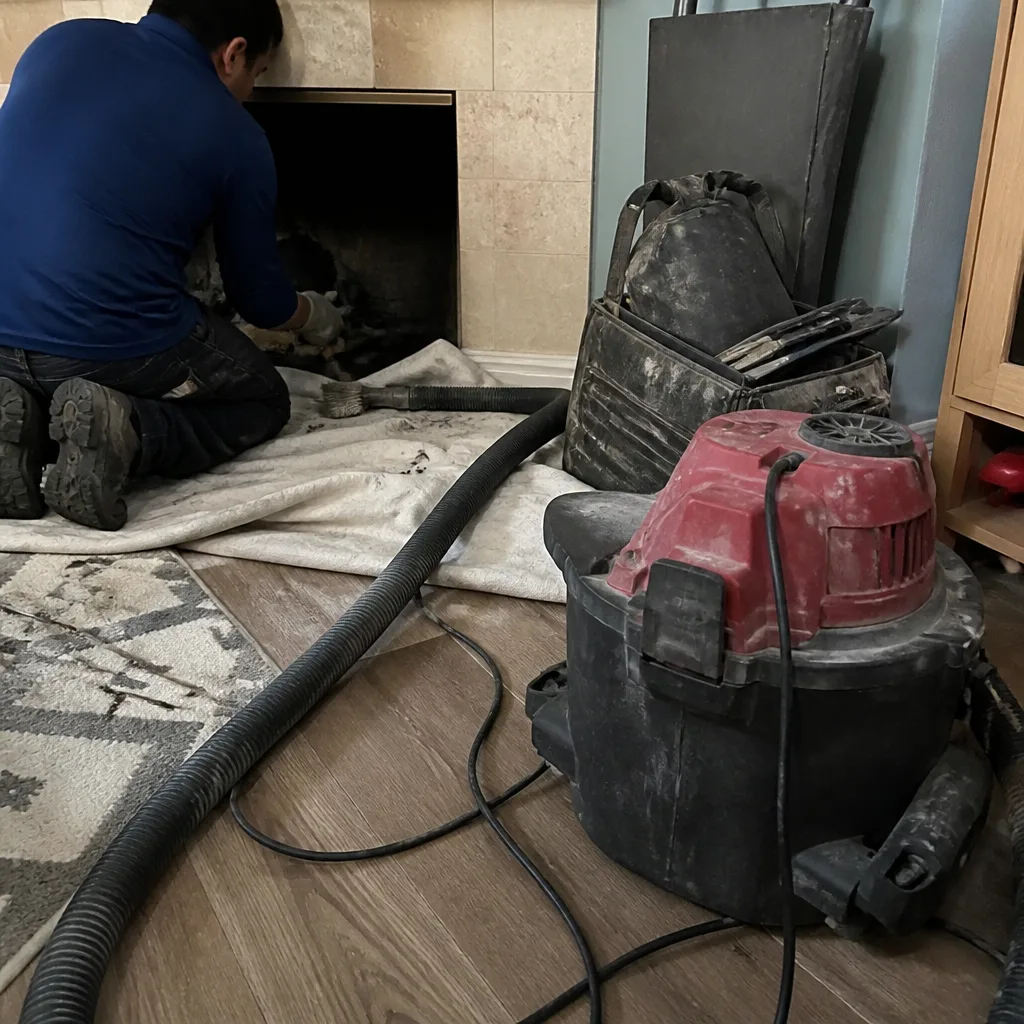 Before
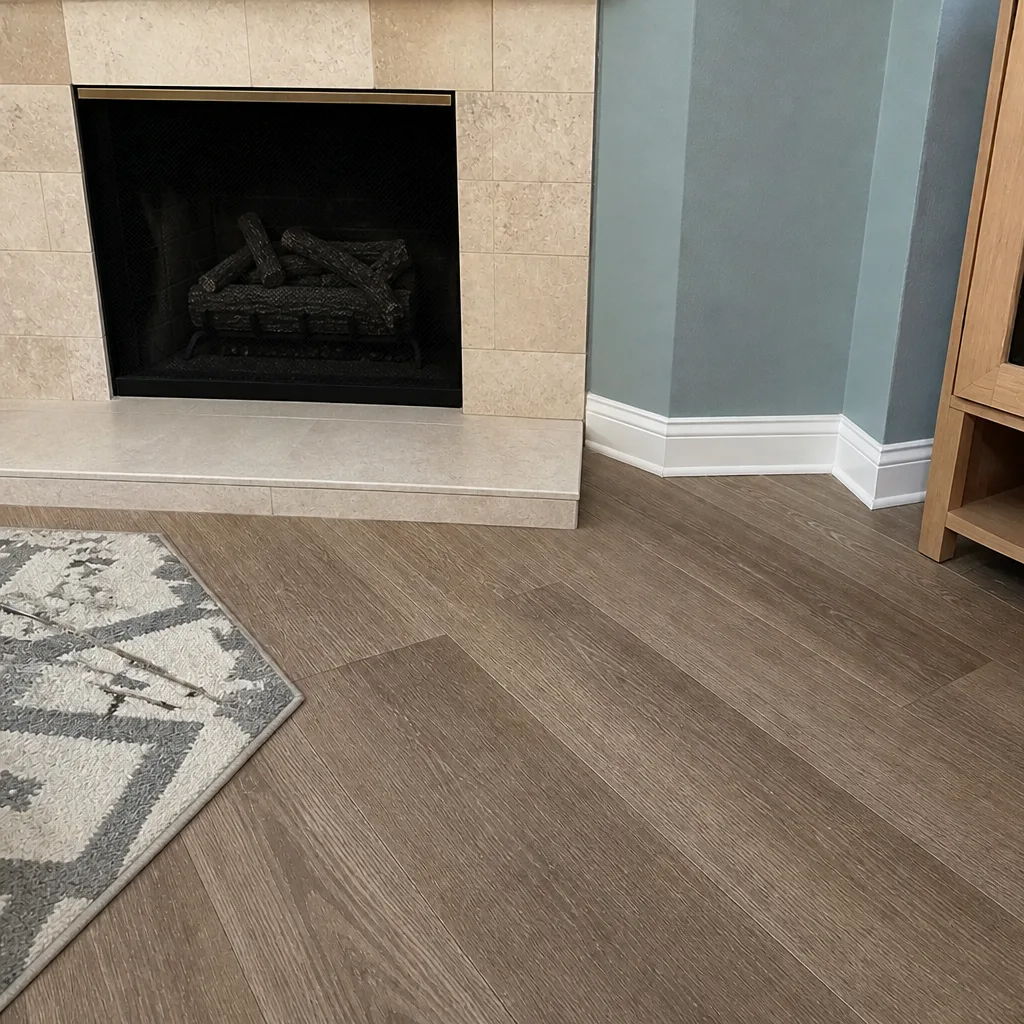 After
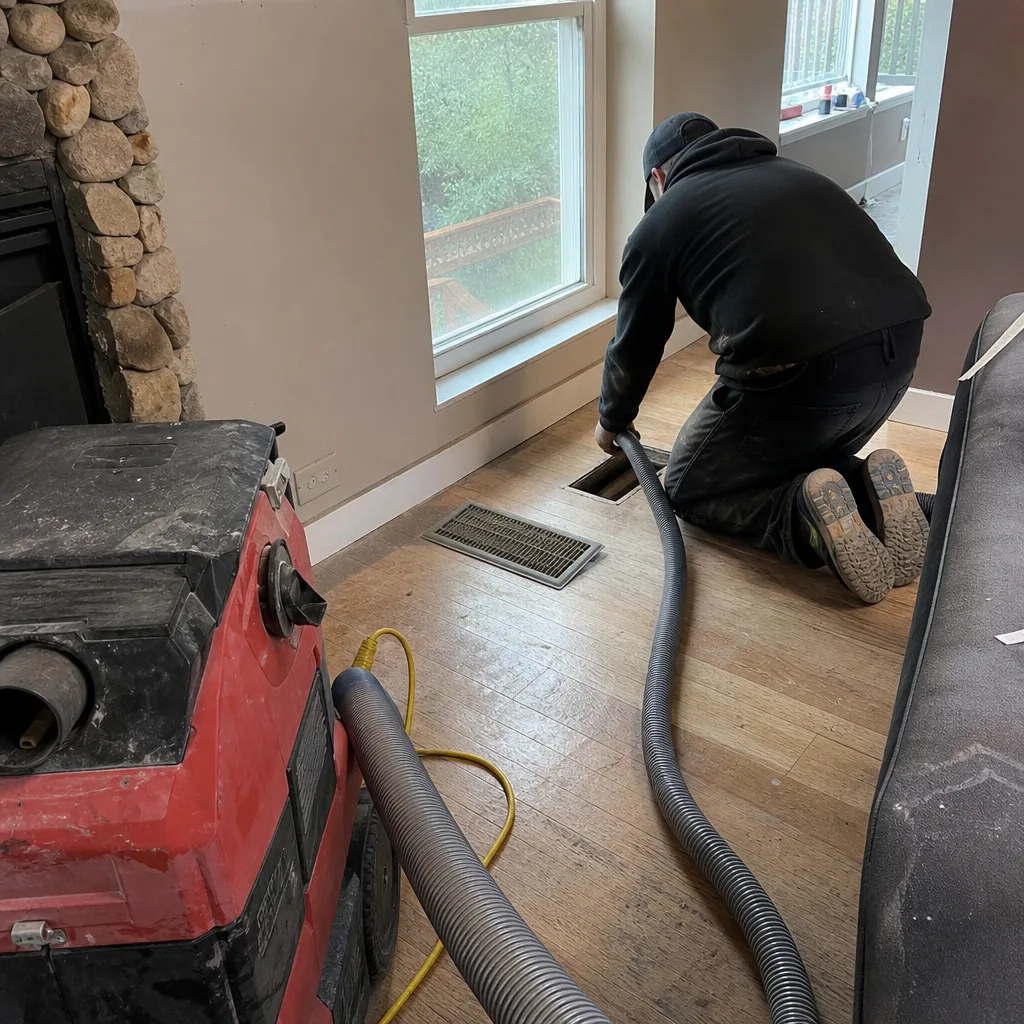 Before
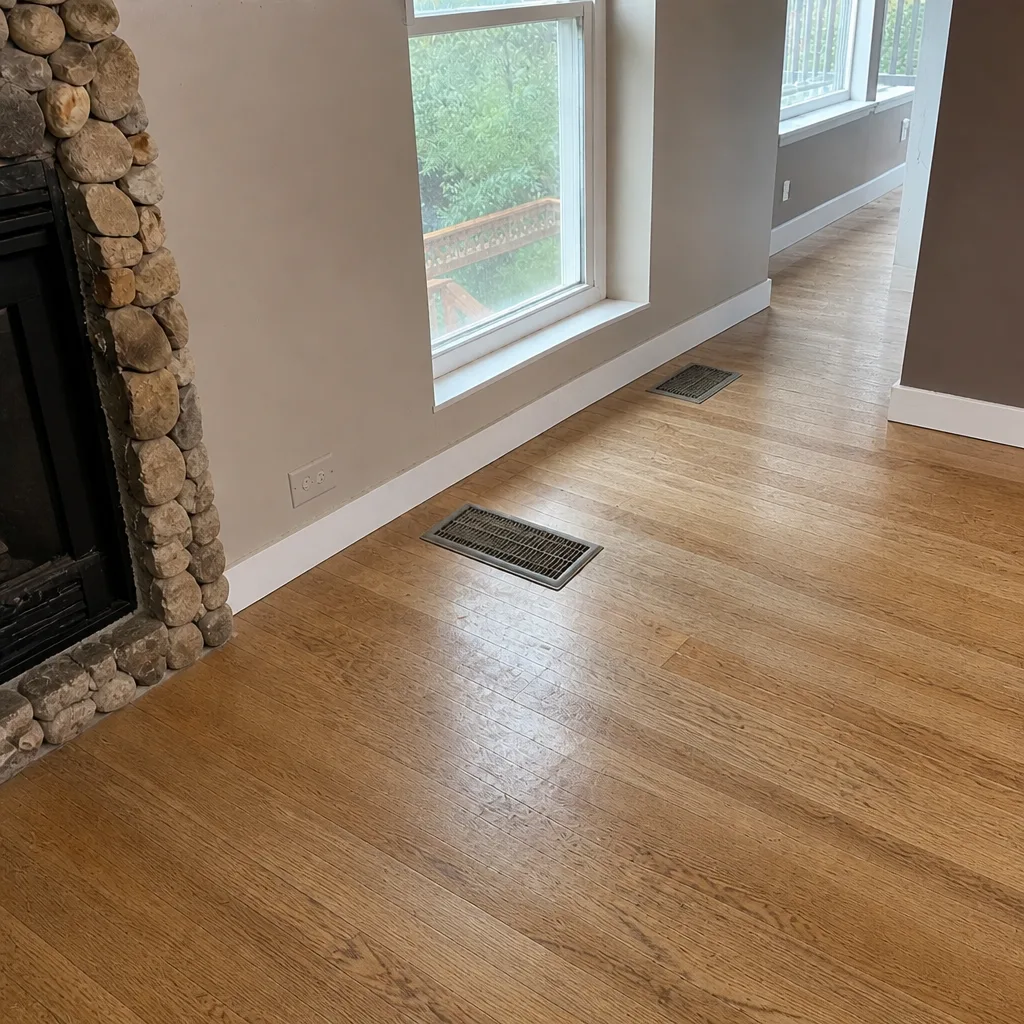 After
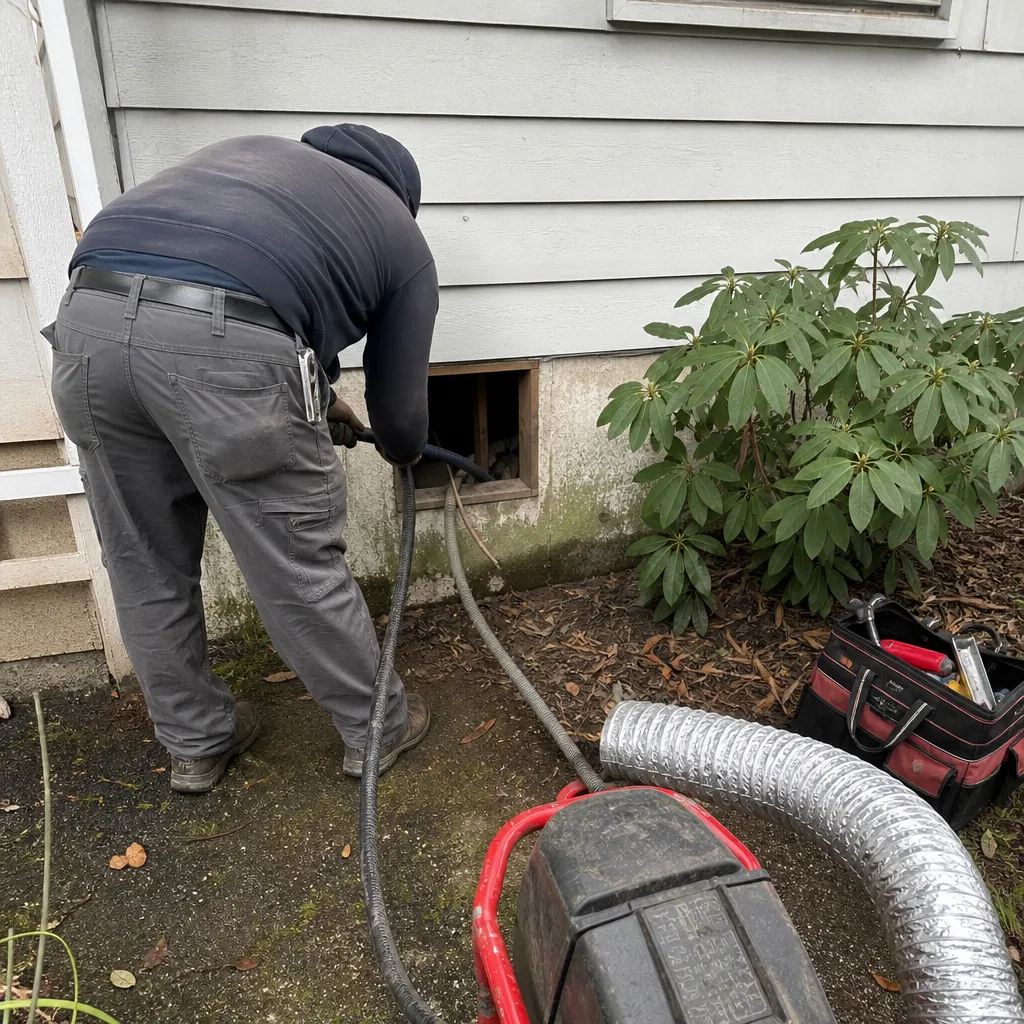 Before
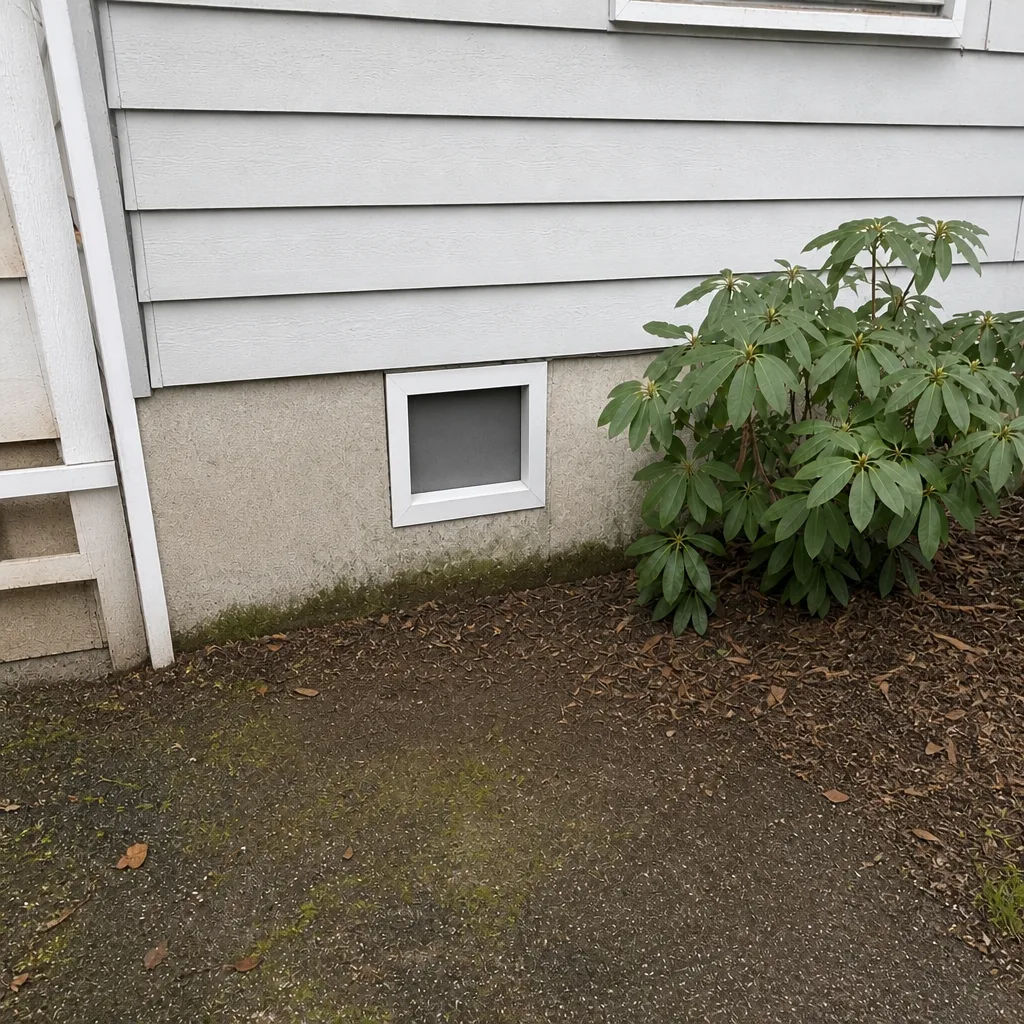 After
When to Call a Professional
Some duct-related problems clearly point to professional work: a visible gap or disconnect in a run, a register that blows noticeably less air than its neighbors, ductwork that sagged or came loose after a remodel, or a system that hasn’t been evaluated in a long time and is accumulating visible debris at the floor registers. Those are all reasons to get a trained set of eyes on the system. What to avoid is assuming a cleaning visit automatically covers whatever repair turns up – the scope of cleaning is cleaning, and repair needs to be scoped separately. Lynnwood Air Duct Cleaning offers free estimates in Lynnwood – call (888) 743-3075. We answer 24/7. Fast dispatch from 7am to 7pm, Sunday through Friday.
Frequently Asked Questions
No. Cleaning air ducts does not require a permit in Washington State, and it isn’t regulated as mechanical work under the state’s mechanical code. Cleaning is a maintenance activity; only repair, replacement, or modification of the duct system crosses the line into permitted mechanical work. If a technician recommends reconnection, re-strapping, or sealing work, that piece requires a separate conversation about credentials and permits.
Generally yes, when the repair alters the duct system. Repairs, replacements, and modifications to ductwork fall under mechanical code and typically require a permit plus a licensed mechanical contractor. The specific answer for your address depends on whether you’re in City of Lynnwood jurisdiction or unincorporated Snohomish County, so confirm with the building department handling your property before booking the repair.
Reconnecting a boot to a floor register, re-strapping a sagging run, applying sealant that alters a joint, replacing a length of duct, or adding a new register all count as mechanical work. Running a brush through the duct, vacuuming, sanitizing, and cleaning registers do not. The distinction is whether the system’s physical assembly is changed. When in doubt, treat the task as mechanical work and confirm the requirements.
Not legally if the reconnection counts as mechanical work, which it generally does. Cleaning doesn’t require mechanical credentials, but repair and reconnection do. If a cleaning contractor encounters a disconnected run, the correct move is to document the issue and refer the repair to a licensed mechanical contractor, or confirm their own licensing for the repair scope before proceeding. Ask the question directly before any work begins.
Home inspectors look for signs that ductwork has been altered without documentation: new mastic or tape patterns, re-strapped runs, boots that appear recently reconnected, or duct material that doesn’t match the surrounding installation. Those signs themselves aren’t a problem, but their presence without a permit record gives a buyer’s inspector something to flag, which becomes a negotiation point during sale. Documentation is the answer.
Request two written scopes before the visit: a cleaning scope describing only what’s cleaned and with what equipment, and a repair scope (if anything turns up) describing the specific repair, the licensing of whoever performs it, and whether a permit is required. Ask for them as separate documents, and if a contractor resists, treat that as useful information about how they operate. Call (888) 743-3075 for a free estimate – we separate the scopes as standard practice.
The Bottom Line
Cleaning your ducts in Lynnwood requires no permit. Repairing your ducts generally does, and that repair needs to be done by a licensed mechanical contractor with the correct permit filed through the jurisdiction that governs your address. The most useful habit you can build is asking a contractor to separate the cleaning scope from any repair scope in writing – it protects you legally, financially, and at resale. If a duct issue turns up during a clean, document it and handle the repair as its own job. Contracts don’t need to be complicated; they just need to be honest about which side of the line each task falls on. Call (888) 743-3075 for a free estimate. We answer 24/7. Fast dispatch from 7am to 7pm, Sunday through Friday.
Written by the team at Lynnwood Air Duct Cleaning.