
Last updated November 25, 2026
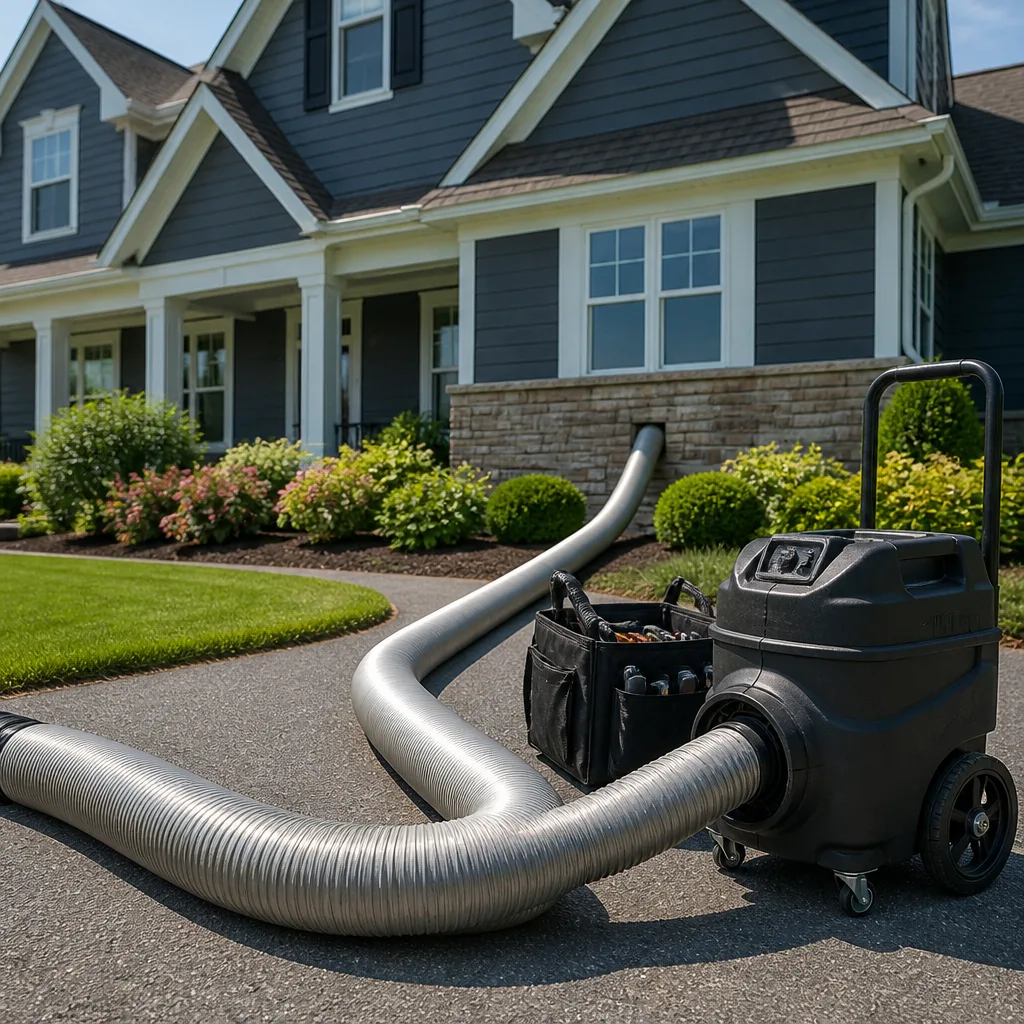 Whole-home duct cleaning
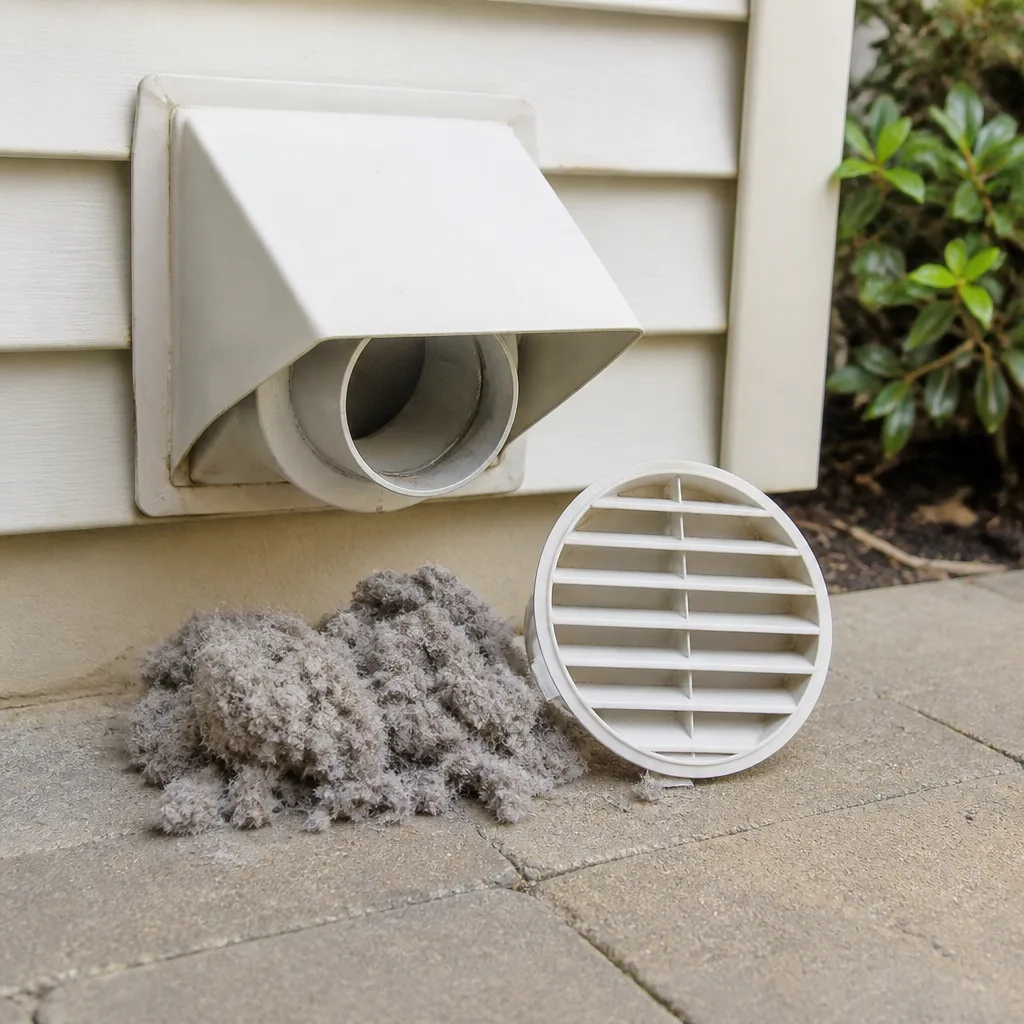 Dryer vent cleaning
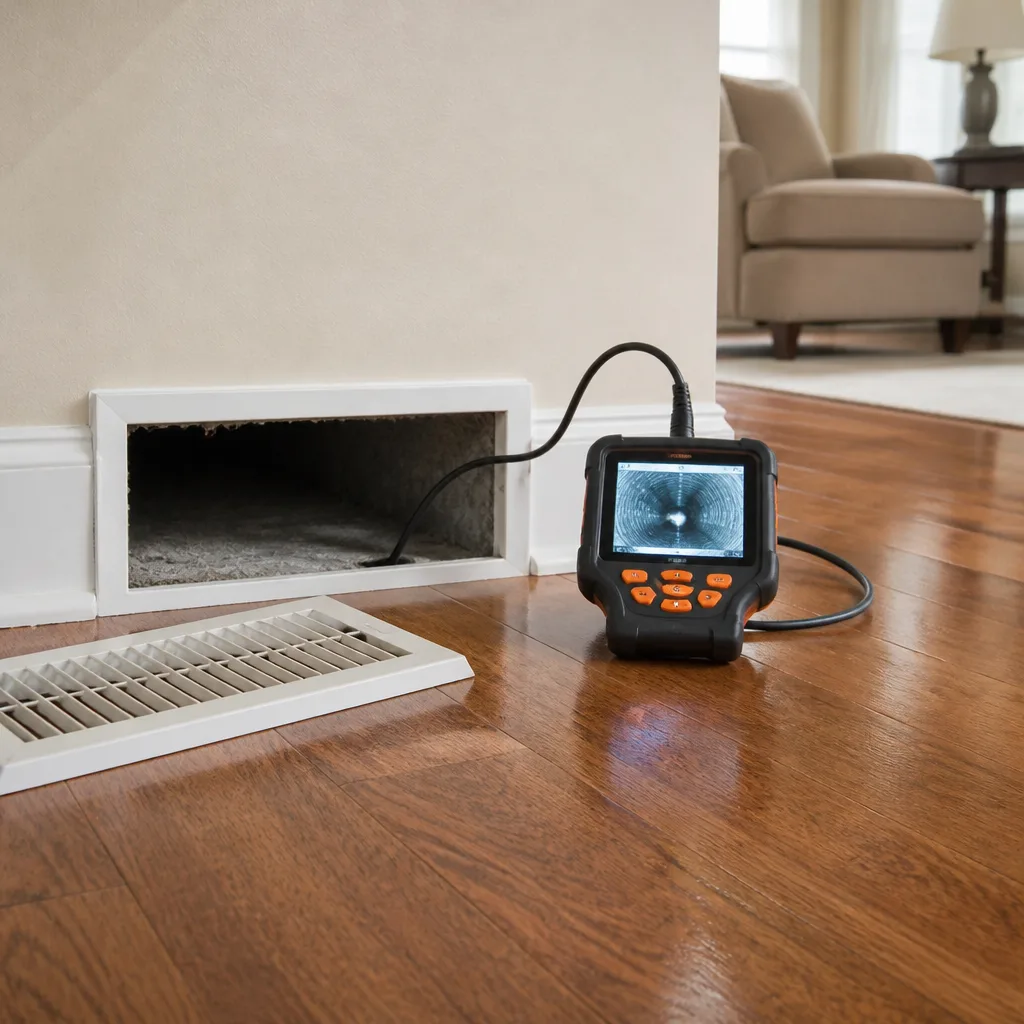 Camera inspection
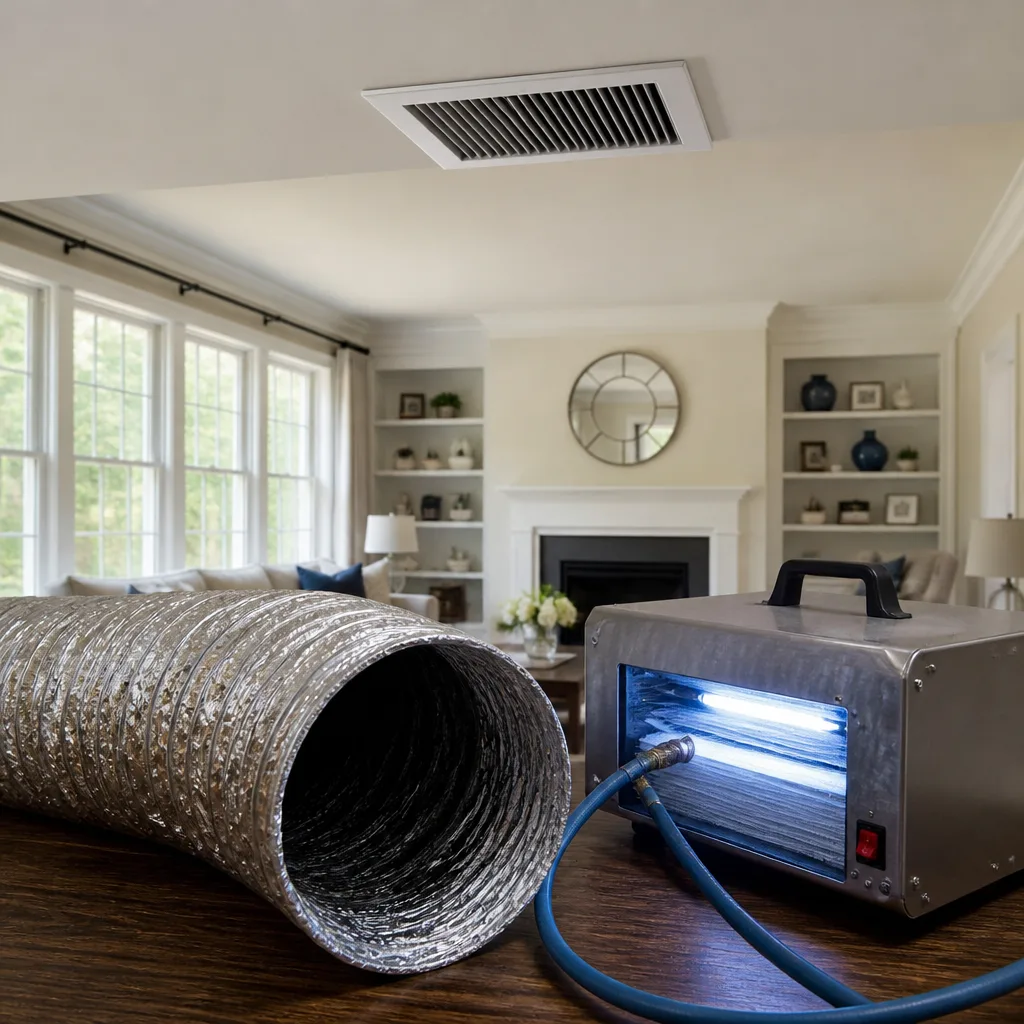 Sanitizing & deodorizing
Whole-system duct and dryer vent check with before-and-after photos - you see exactly what came out of your vents
That "$99 whole-house special" is a bait ad - the real number appears once they are in your hallway, or the "clean" is a shop-vac at the register. We photograph the inside of your ducts before and after instead.
Air Duct Cleaning Maintenance Checklist for Lynnwood Homeowners
If the only item on your duct maintenance checklist is “call a company every 3-5 years,” you’re maintaining a schedule, not a system. Time-based intervals are a guess. Your ducts tell you what they need through airflow at the registers, dust patterns on the boots, filter loading speed, and moisture where the system meets the house. A real checklist works like a diagnostic rhythm: small inspections on a set cadence, so you catch contamination while it’s still cheap and simple to address. This guide gives you the actual tasks a technician runs, the intervals that fit Lynnwood’s wet winters and dry summers, and the triggers that override the calendar entirely.
Quick Answer
Check your filter monthly and score its condition, do a hand test on register airflow every month, and inspect accessible duct boots and the air handler for dust and moisture at each season change. In Lynnwood, run a deeper visual inspection after summer (particulate load) and after winter (moisture and mold risk), then book a professional full-system clean based on what those checks show, not on a fixed calendar. Renovation dust, pest evidence, water intrusion near the HVAC unit, or a new allergy in the household all justify calling right away.
Styles & brands we work with
- Whole-home duct cleaning
- Dryer vent cleaning
- Camera inspection
- Sanitizing & deodorizing
Table of Contents
- Monthly Homeowner Tasks
- Seasonal Checkpoints for Lynnwood Weather
- Trigger Events That Override the Schedule
- What to Record and Keep on File
- How to Judge a Previous Cleaning
- Why a Full-System Clean Beats Piecework
- Common Mistakes to Avoid
- Frequently Asked Questions
Monthly Homeowner Tasks: The Three Checks That Catch Most Problems
Three tasks, done once a month, take about ten minutes and catch the majority of duct problems before they get expensive. None of them require tools beyond a flashlight and your hand.
Filter condition scoring. Pull the filter and hold it up to a light. On a scale of 1 to 5, score it: 1 is clean, 5 is opaque. Anything at 4 or higher means the filter is loading faster than the schedule assumes, which usually points to a source of dust you haven’t noticed yet. Write the score down. A filter that jumps from 2 to 4 in three weeks is telling you something the calendar can’t.
Register airflow by hand. With the system running, hold your open hand over each supply register for a few seconds. You should feel steady, even pressure at every one. A register that feels noticeably weaker than its neighbor on the same floor is a signal: a closed damper, a crushed flex run, a disconnected boot, or a blockage. Uneven airflow is one of the earliest signs a duct system needs attention, and it rarely fixes itself.
Visual inspection of accessible duct boots. Shine a flashlight into the boot of each register you can reach safely. Look for a grey film of dust on the walls, dark speckling, or any debris that has collected at the base. A thin even film is normal. Clumps, matted dust, or anything fuzzy with a musty smell is your cue to escalate. This is also how you build a baseline: photograph two or three registers on your phone once, and you’ll have a reference for comparison six months later.
Text or email the photos to yourself with a date in the subject line. It takes thirty seconds and it becomes the foundation of the record we’ll cover later in this guide. If you’ve been meaning to schedule a professional check and want to know what a proper inspection covers, that’s exactly what air duct cleaning involves on a full-system basis.
Seasonal Checkpoints Tied to Lynnwood’s Weather
Lynnwood sits in a corner of the Pacific Northwest that swings between two distinct risks. Late summer brings fine particulate – pollens, dust tracked in from dry yards, smoke that lingers in the air. Winter flips the problem: high indoor humidity, condensation on cold duct runs, and the moisture conditions that let mold take hold if a system isn’t drying out properly. A seasonal checklist that ignores these two forces wastes the best diagnostic window you have.
Here’s how to structure the calendar year:
- Late August or early September: Post-summer inspection. Look for fine dust loading on the registers, check the filter score trend, and note whether the household has been noticing more dust or a “dry” smell when the heat first kicks on. This is the particulate-load checkpoint.
- October: Seal-worthy inspection. Check ducts running through unheated spaces – crawlspaces and garages – for condensation, damaged insulation wrap, or disconnected sections. Anywhere the duct is cold and the surrounding air is damp is where you’ll see trouble first.
- February or March: Post-winter moisture check. Look for condensation stains at the registers, musty smells when the system starts, and any dark speckling on duct boots. This is the mold-risk checkpoint, and in Lynnwood’s wet winters it matters more than the calendar-based interval most guides suggest.
- April: System transition check. Filter change, register airflow retest across all rooms, and a quick check on the air handler cabinet for accumulated dust or debris around the blower compartment.
- Anytime: If you rely on the dryer frequently, roll dryer vent cleaning into your seasonal check. A clogged dryer vent has nothing to do with your duct system, but it’s the same “check what you can’t see” discipline, and it’s a fire risk you can preview by hand.
In our experience running inspections across Lynnwood, the calls that surprise people most often come right after the first cold snap in October – the system starts for the season and suddenly the smell, or the uneven airflow, becomes obvious. Catching it at the seasonal checkpoint is a smaller job than catching it mid-winter.
Trigger Events That Override the Schedule
A pushy contractor will tell you to clean on a fixed interval. A careful one will tell you events matter more. Here are the triggers that justify calling for an inspection regardless of when your last service was.
- Renovation dust. Drywall sanding, cabinet replacement, floor refinishing, or any project that generates fine airborne particulate will load a duct system in a single weekend. Seal registers if you can plan ahead, but if you didn’t, get an inspection after the dust settles.
- Pest evidence. Droppings in the register boot, scratching noises, or a nest visible in a return grille is a both/and situation – pest control first, then duct cleaning and sanitizing. Rodent activity deposits material that a normal clean won’t neutralize.
- Water intrusion near the HVAC unit. A leaking water heater, a roof leak hitting the air handler closet, standing water in the crawlspace under a duct run – any of these can push moisture into the system. Even a small dry-leg drip over a season is enough to support mold growth inside insulated duct wrap.
- New allergy or asthma symptoms in the household. When a family member’s symptoms change, the home environment deserves a look. That’s not a diagnostic claim, just a practical one: if symptoms shift indoors, eliminate the indoor sources you can inspect.
- A move-in. You don’t know what the previous owners did. An inspection on the front end gives you a baseline.
Each of these events is a signal to check, not a mandatory cleaning order. A technician should inspect, tell you what the ducts look like, and quote the work if it’s warranted – never before. A clean written estimate on a per-job basis, agreed before any work starts, is the only way to know what you’re paying for.
What to Record and Keep on File
Most homeowners keep filter receipts and nothing else. That’s a missed opportunity, and it matters more than people realize when you sell. Washington residential seller disclosures ask about known material defects in the home systems, and a documented maintenance history gives you accurate answers instead of “I think so.” It also protects you if a buyer’s inspector flags something – a paper trail showing routine maintenance and dated professional cleanings is a strong position.
Keep a single file, physical or digital, with:
- Filter change log. Date, filter size and type, and your 1-to-5 condition score at change-out. A year of this tells you whether the system loads evenly or in cycles.
- Inspection dates and notes. Even the monthly twelve-minute check should go on the log. A short note – “all registers strong, front bedroom slightly weaker” – is worth more than no note.
- Contractor visit records. Date, scope of work, equipment used, and any photos from the visit. If a technician shows you a before-and-after photo of your own duct runs, keep the photos.
- Repair and sealing records. If a section of flex duct was replaced or a joint sealed, note where.
- Product installs. If you added a filtration or humidification system, note the brand and model. Aprilaire and Honeywell are common in this area, and knowing what’s installed makes future service and filter purchases straightforward.
Photograph the full file once a year and back it up. When a buyer’s agent asks at resale, you can answer the question with documentation instead of memory.
How to Judge Whether a Previous Cleaning Was Thorough
You don’t need special equipment to spot-check a job that claims to be complete. A flashlight and a small hand mirror will tell you most of what you need to know.
Start with the registers you can reach safely. Pop the grille and angle the mirror into the boot. Freshly and thoroughly cleaned ductwork has even, clean surfaces with no visible dust clumps on the walls or at the transition into the main run. If the register grille is clean but the boot behind it is still coated, that’s a signal the cleaning stopped at the visible surface.
Then look at the return air grille – often the largest one in the house, usually in a hallway. This is the highest-dust part of most systems. If it looks untouched after a claimed full cleaning, ask why.
Finally, check the seams and joints you can see. A system that was cleaned properly has had every section exposed to high-velocity agitation and negative pressure, not just brushed at the openings. Without a camera inspection, you can’t verify the deepest runs – but the boots, returns, and near-handler sections give you a solid read. If the parts you can see weren’t done, in our experience the parts you can’t see weren’t either.
This is why equipment matters. Rotobrush and Nikro systems are built to agitate the full inner surface of a duct run and pull the loosened material out under controlled pressure. A consumer-grade shop vac and a hose attachment cleans what’s at eye level and leaves the rest. When you’re quoted a price, ask what equipment the crew uses. A straight answer is a good sign.
Why a Full-System Clean Beats Piecework
Ducts, the air handler, the blower, the evaporator coil, and the registers are one connected system. Cleaning only part of it is like washing the top half of a window. The dust that was pulled from the ducts will re-accumulate on a dirty blower wheel and dirty coil in a matter of weeks – and you’ll be back where you started.
A proper HVAC cleaning treats those connected components as one job: duct runs agitated and evacuated, the air handler and blower cleaned, the coil assessed for debris, and the registers wiped and reinstalled. On jobs that need containment – older homes with significant debris, or any situation where the crew wants to control dust during the work – the right equipment is a full negative-air setup. Abatement Technologies equipment is what crews use when that level of containment is called for, and it’s a fair question to ask whether a contractor has it. It’s the difference between a cleanup and a controlled removal.
Once the system is clean, hygiene has a starting point. If mold or biological contamination was evident during the inspection, sanitizing is the next step, not the same step. Guardsman products are what we use for the sanitizing phase when it’s warranted, and the treatment is followed by another round of airflow testing to confirm the registers are reading even. If the clean surfaces are still getting re-contaminated because of a leaking joint or a disconnected run, seal or repair gets folded into the same visit rather than kicking you back out to find another contractor.
That’s the practical case for Lynnwood Air Duct Cleaning handling the whole job – cleaning, dryer vent, HVAC components, sealing and repair, and sanitizing – so you’re not project-managing four vendors. One written estimate per job, agreed before anyone touches the system.
Common Mistakes to Avoid
- Trusting a fixed interval over what your ducts show you. “Every three to five years” is a starting guess, not a diagnostic. If your filter loads in two weeks or your registers feel weak in a single room, the calendar is not the deciding factor – the conditions are.
- Judging a cleaning by the price and nothing else. A low quote that only covers the visible registers isn’t a bargain, it’s a partial job. Ask what equipment is used, what’s included, and whether the air handler is part of the scope. A written estimate on a per-system basis before work starts is what a fair vendor offers.
- Ignoring the filter score trend. A filter that loads faster than it used to is reporting a change in the system. Replacing it faster without asking why means you miss the underlying cause.
- Skipping the crawlspace check. In Lynnwood, duct runs through unheated crawlspaces see condensation in the wet months. If the insulation wrap is damaged, moisture has been cycling through the system with every heating cycle. A monthly register check rarely shows this – it takes a crawlspace look at the seasonal checkpoints.
- Cleaning without fixing disconnected or damaged runs first. Once a duct run has come off a boot or a joint has opened, no amount of cleaning stops the dust. Repair and sealing should be addressed alongside the clean, not after it.
- Sanitizing as the first step. Sanitizer is applied after surfaces are clean, not to replace cleaning. A “sanitizing service” with no agitation and extraction first is a quick spray that isn’t doing what you paid for.
- Not keeping a file. Without a record, you can’t tell a rushed job from a missed one, and you can’t answer a resale question honestly. Photograph, log, and file – every visit.
See the difference
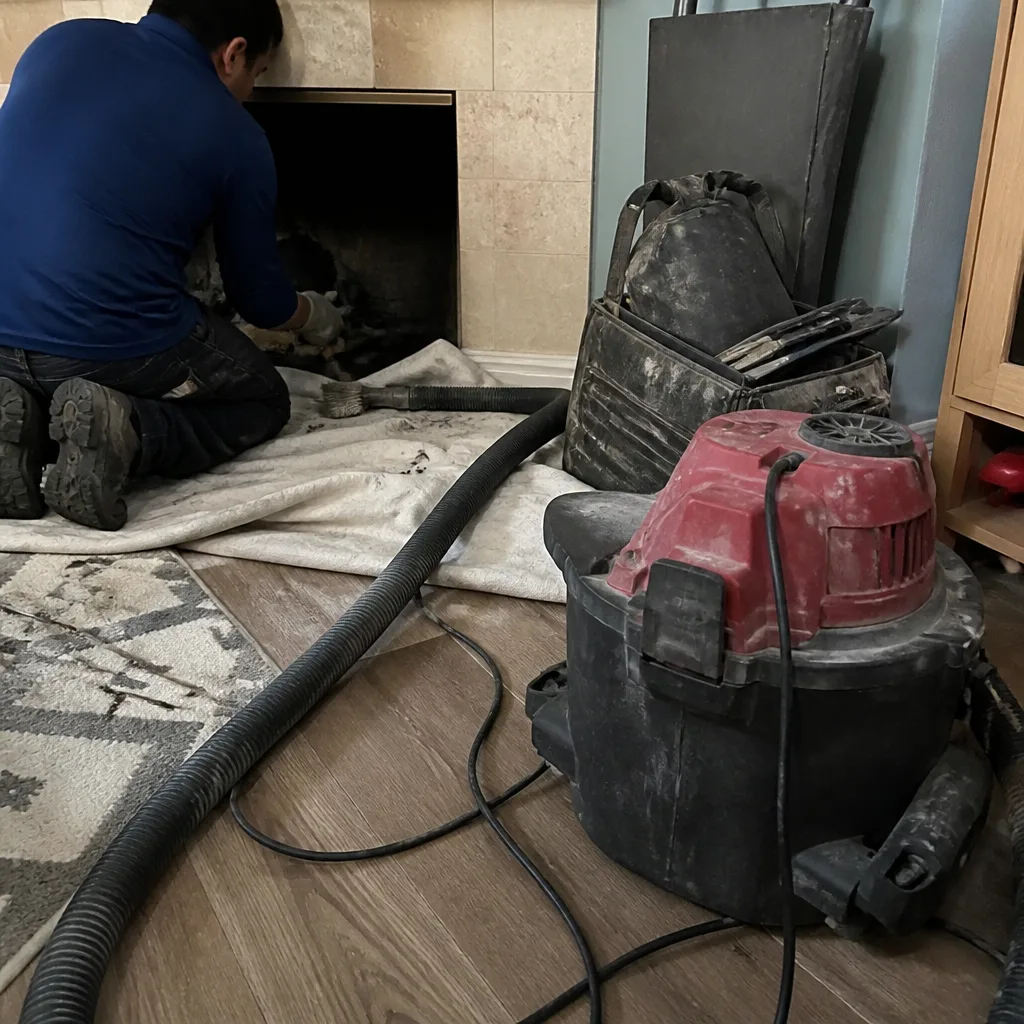 Before
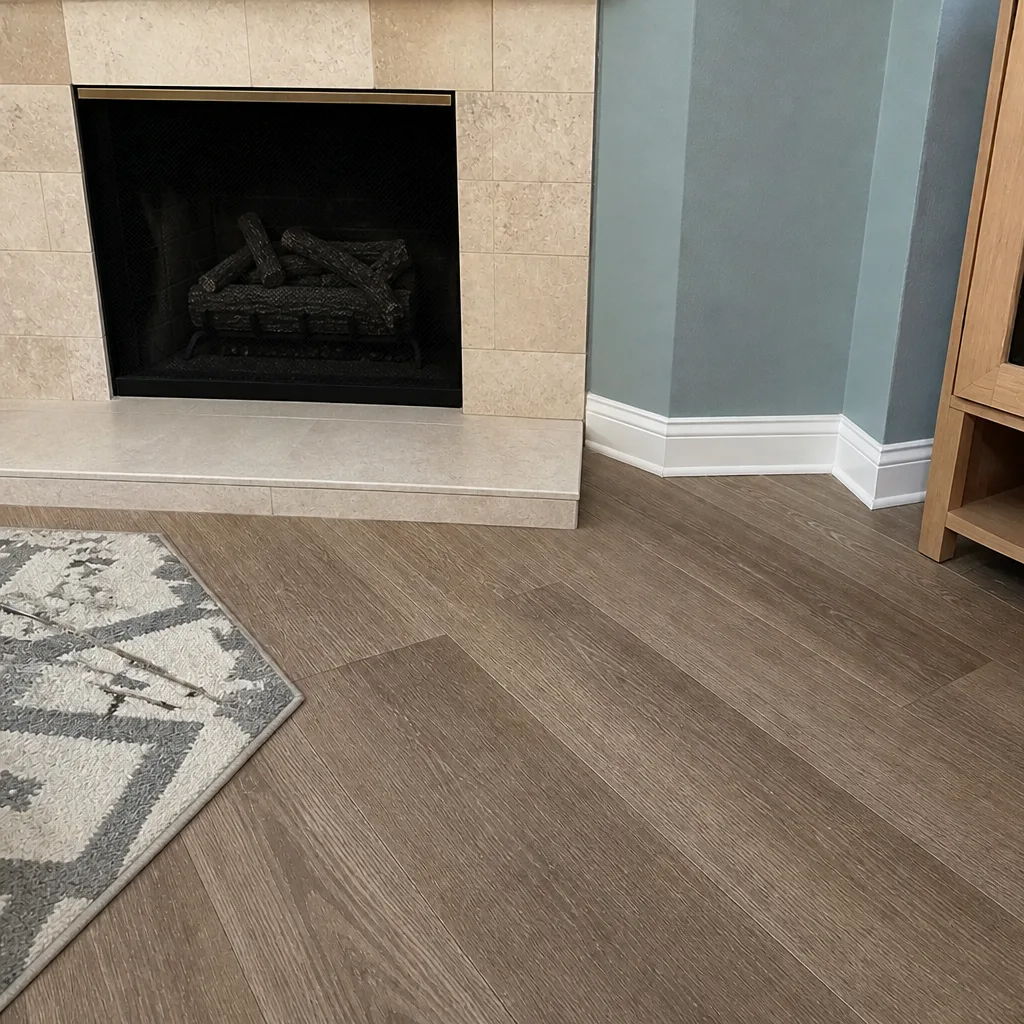 After
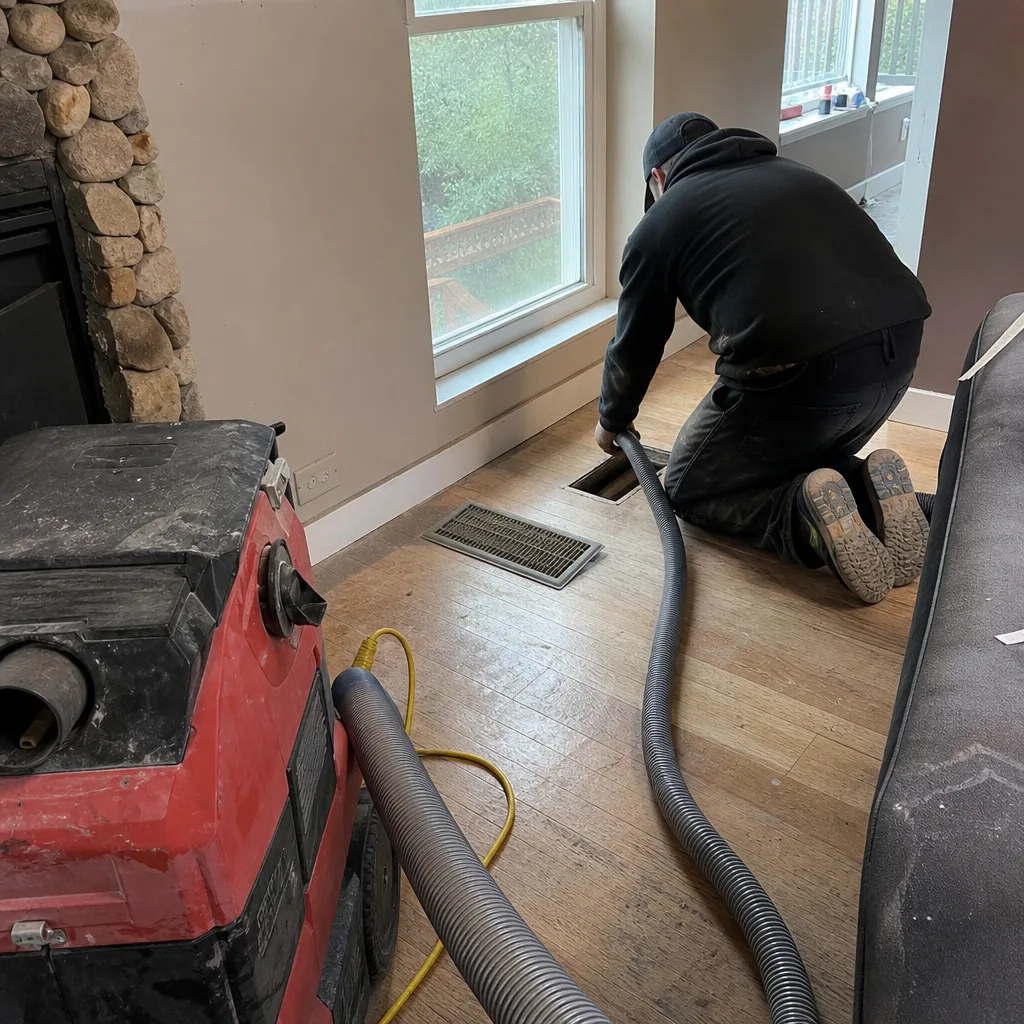 Before
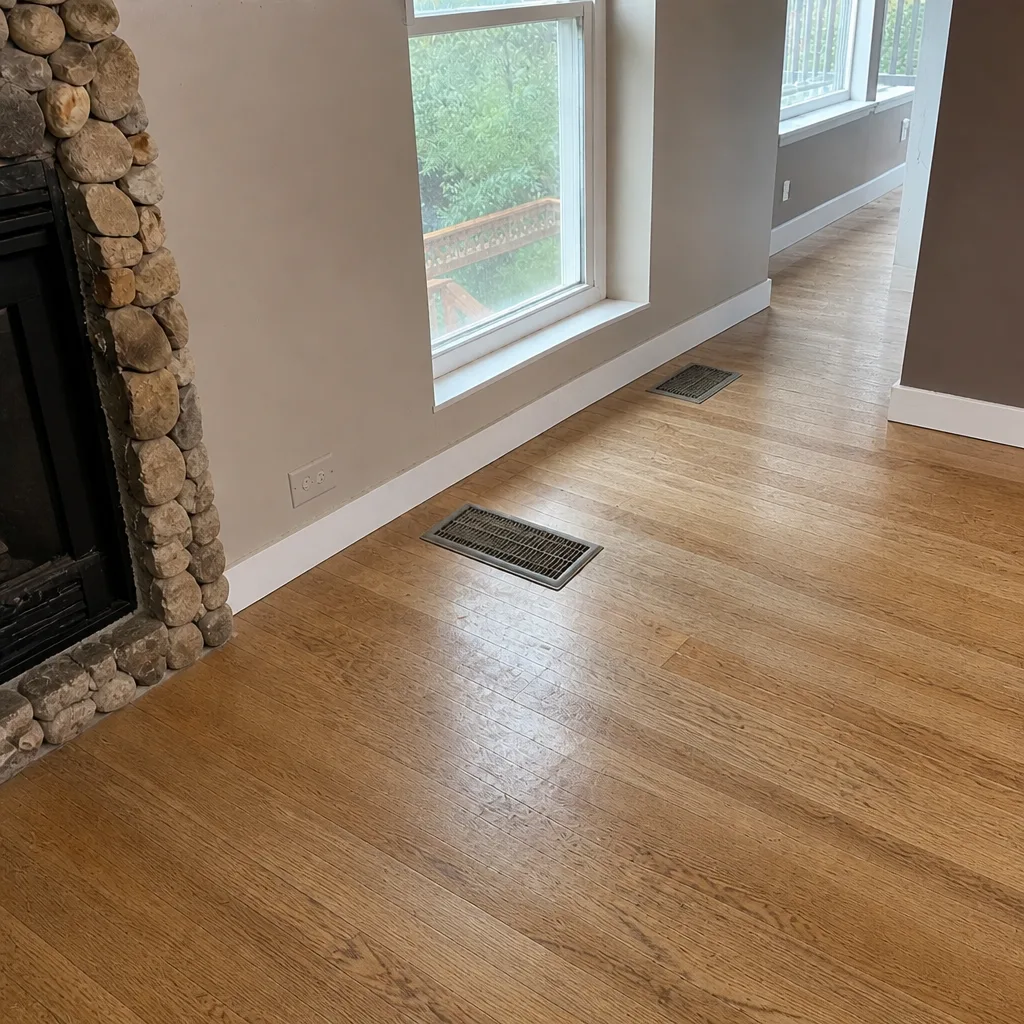 After
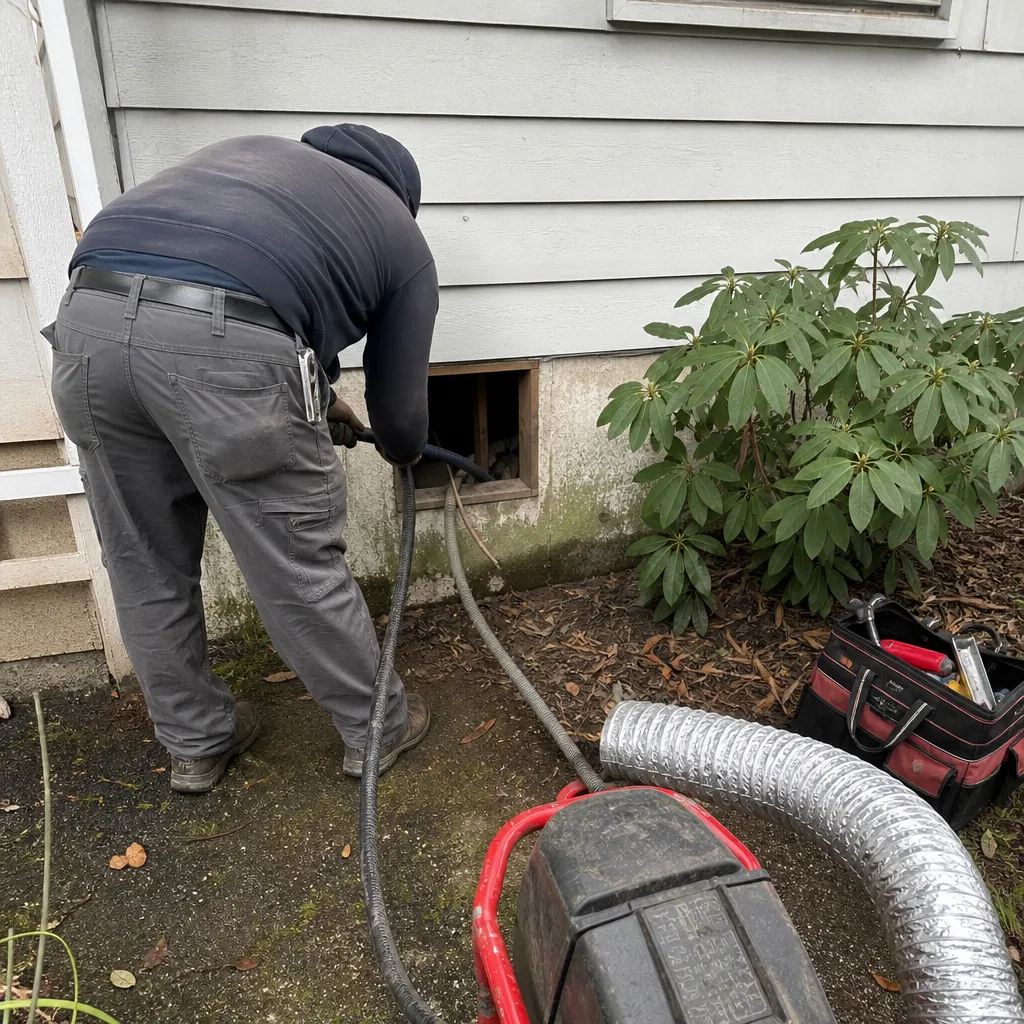 Before
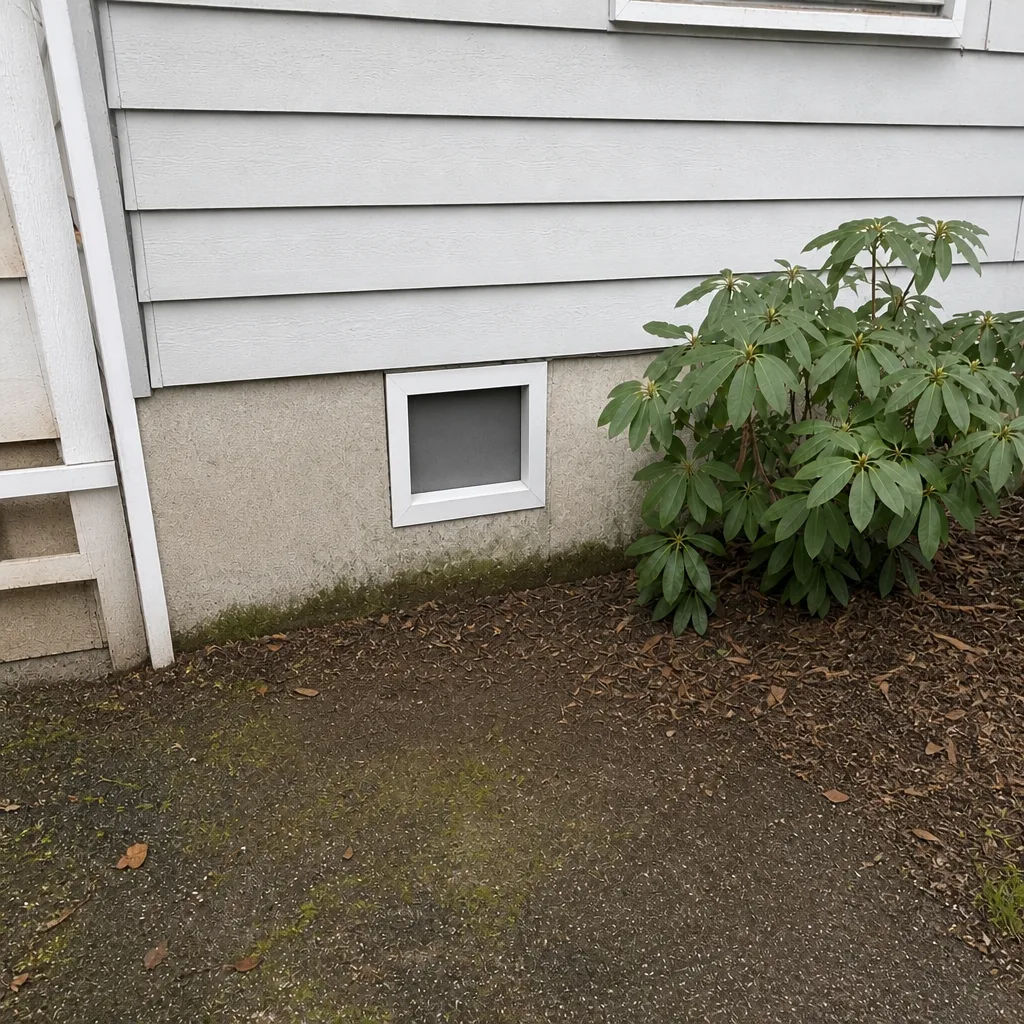 After
When to Call a Professional
Some things you can check yourself. A few things you shouldn’t try to handle with homeowner tools. If the flashlight inspection shows heavy debris in the main runs, if the air handler compartment is thick with dust, if there’s visible mold on any duct surface, if pest activity has contaminated the system, or if a duct run has become disconnected or crushed behind a wall, that’s the point to call. A full-system clean with professional agitation and negative-pressure containment, followed by sanitizing where inspection warrants it, is safer and far more effective on any of these scenarios than a DIY attempt.
If you’re in Lynnwood and want a second set of eyes before deciding anything, we offer free estimates. Call (888) 743-3075.
Frequently Asked Questions
Most Lynnwood homes are well served by a professional full-system clean based on the condition your inspection reveals, not on a fixed calendar. In our experience that often works out to every few years, but a home with pets, recent renovation, or heavy filter loading may need attention sooner, and a well-maintained home with clean filter trends might stretch longer. The checklist in this guide tells you what to look at so you can make that call based on your own system.
Yes – the monthly filter scoring, the hand-on-register airflow test, and the visual flashlight inspection of accessible boots are all safe homeowner tasks. What you should not attempt is opening the air handler, cleaning duct runs with household tools, or applying sanitizers yourself. Those are jobs for professional equipment and trained hands.
A cheap quote usually covers the visible registers and maybe a light brush at the openings. A full-system clean includes agitation of the duct runs with proper equipment (we use Rotobrush and Nikro systems), negative-pressure extraction, cleaning of the air handler and blower, and a scope confirmed in writing before work starts. Ask any contractor what their scope is – the honest ones will give you a clear written estimate.
Worth checking, not worth panicking about. Lynnwood’s damp winters create the conditions for mold growth inside duct work if insulation wrap is damaged or condensation cycles go unmanaged. The February-March seasonal checkpoint in this guide is designed to catch it early. If you see visible dark speckling or consistently smell something musty, book an inspection rather than guess.
Ask three things: what equipment they use, whether the air handler is part of the scope, and whether the price is a written estimate agreed before work starts. If a company can name their equipment – Rotobrush, Nikro, Abatement Technologies for containment work – that’s a meaningful answer. If they only talk about price, keep shopping. For a free estimate from us, call (888) 743-3075.
Two ways. First, ask for before-and-after photos of your own system’s duct runs – not stock photos. Second, run the flashlight-and-mirror check yourself in the weeks after the cleaning: look into the register boots and the return grille for even, clean surfaces. A crew that did the work thoroughly has nothing to hide from your inspection.
For a free estimate on any part of this checklist, call (888) 743-3075. We answer 24/7. Fast dispatch from 7am to 7pm, Sunday through Friday, closed Saturday. Our technicians have up to 15 years of experience, and every job is quoted in writing at one flat price per system before work begins – no per-vent pricing, no surprises. Visit Lynnwood Air Duct Cleaning to see how the full-system clean fits into what we do.
The Bottom Line
A duct maintenance checklist is a diagnostic routine, not a subscription reminder. Do the monthly three – filter score, register airflow, boot inspection – and run the seasonal checkpoints that match Lynnwood’s summer particulate load and winter moisture. Keep a written file. Judge a past cleaning with your own flashlight before you pay for a future one. And when the inspection shows the ducts need more than a check, book a professional full-system clean with proper equipment and containment, quoted in writing before work starts. That’s the difference between a schedule and a system.
Written by the team at Lynnwood Air Duct Cleaning.