
Last updated November 25, 2026
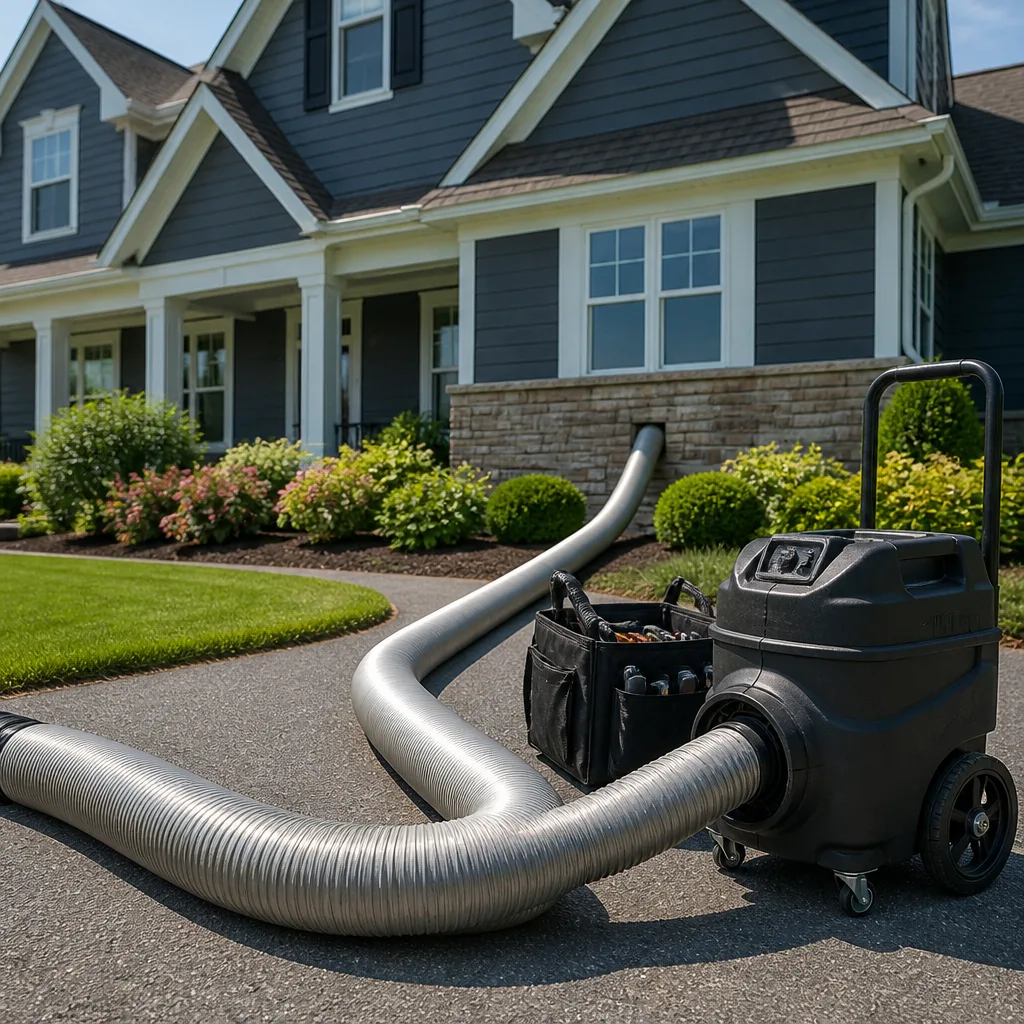 Whole-home duct cleaning
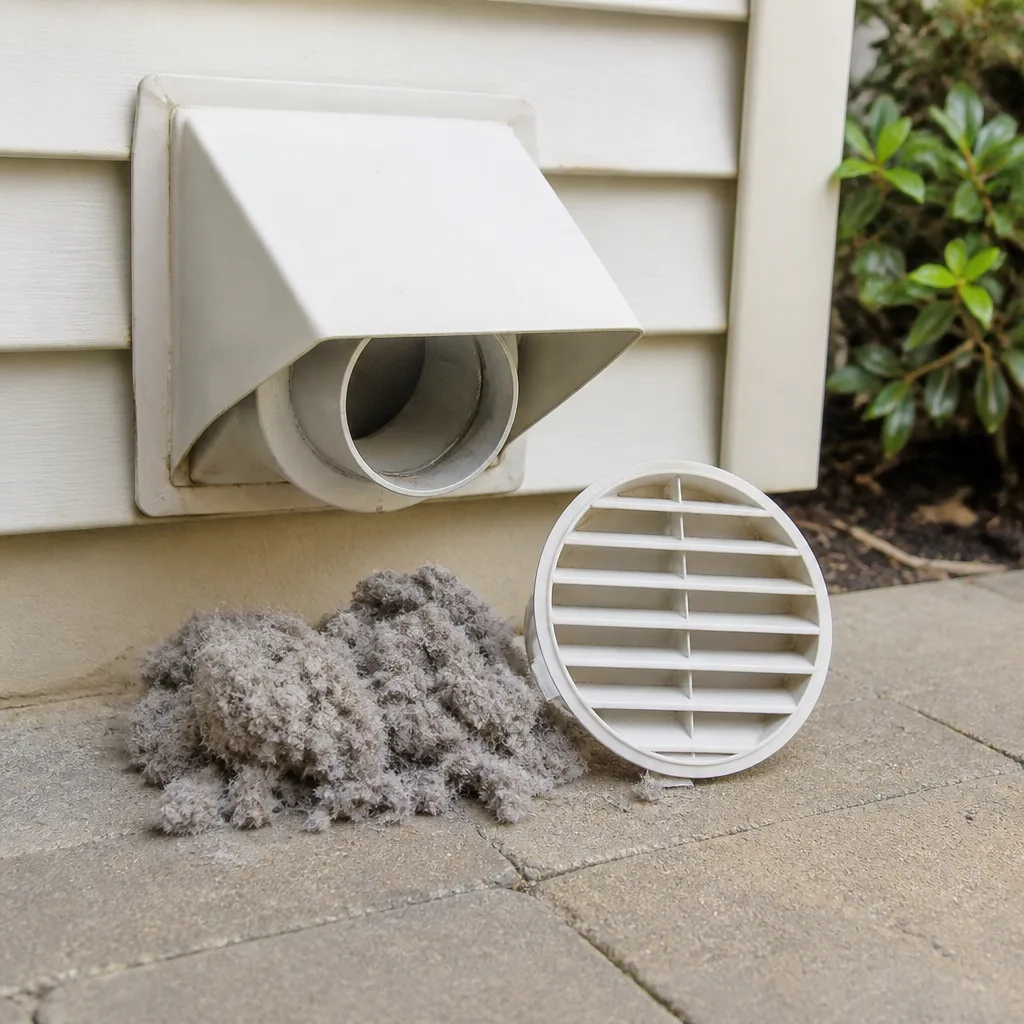 Dryer vent cleaning
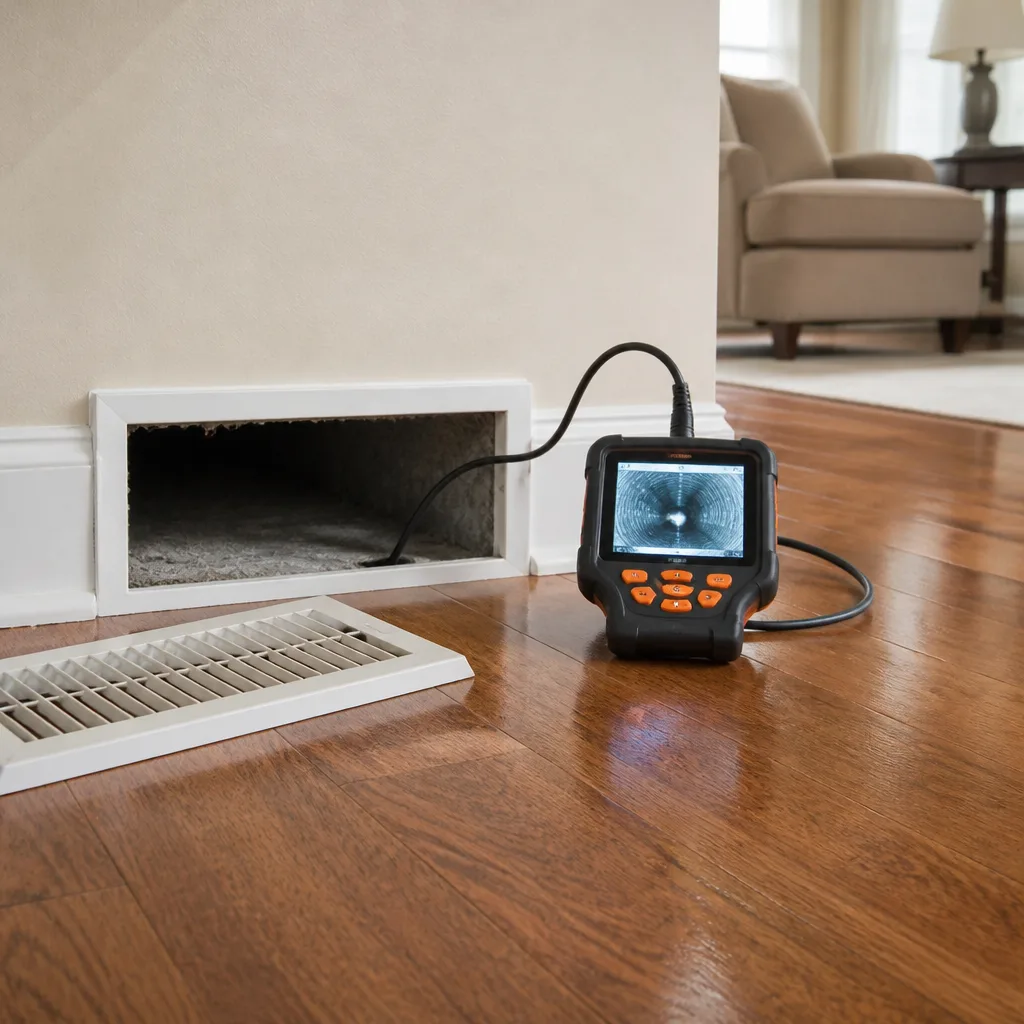 Camera inspection
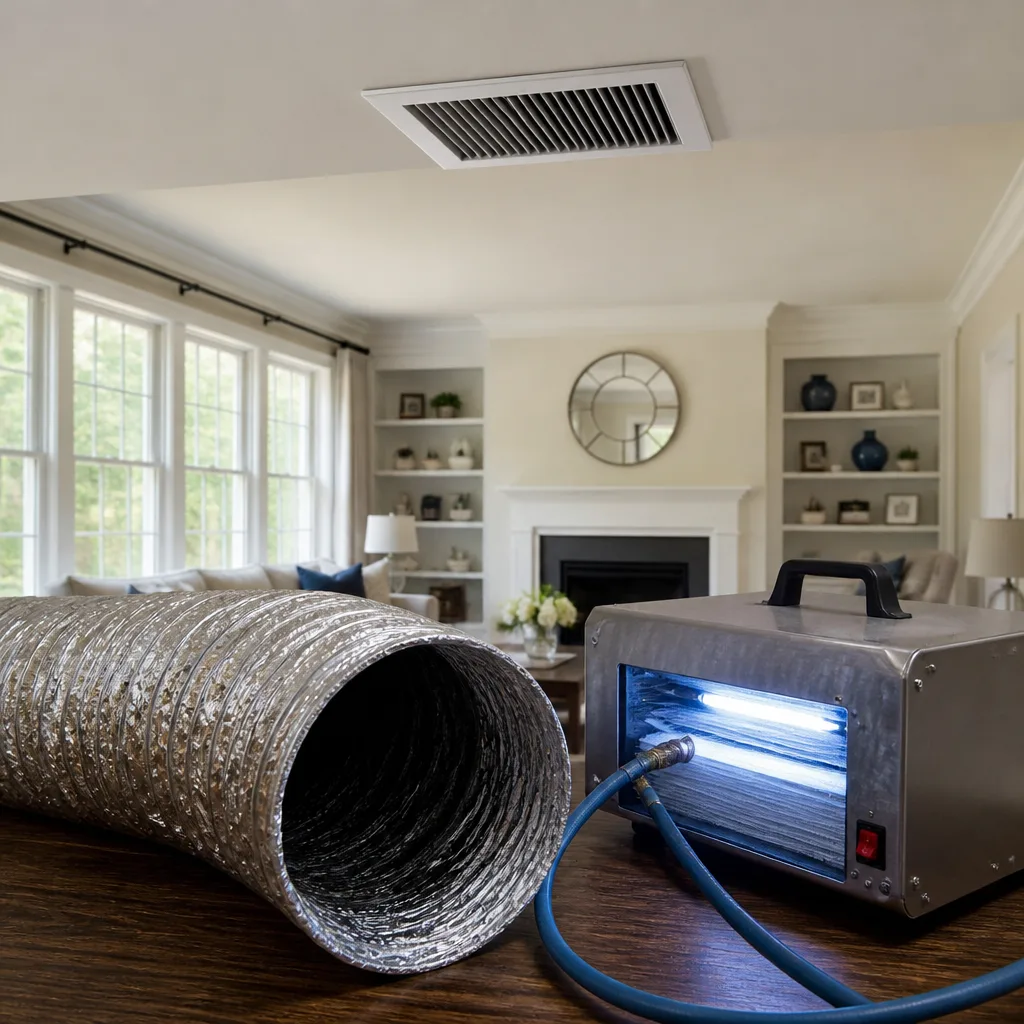 Sanitizing & deodorizing
Whole-system duct and dryer vent check with before-and-after photos - you see exactly what came out of your vents
That "$99 whole-house special" is a bait ad - the real number appears once they are in your hallway, or the "clean" is a shop-vac at the register. We photograph the inside of your ducts before and after instead.
How to Hire an Air Duct Cleaning Contractor in Lynnwood: A Step-by-Step Guide
Most homeowners pick a duct cleaner the way they’d pick a pizza place: first name, most stars, lowest quote. That works for dinner. It doesn’t work for a machine that handles every breath your family takes indoors. The uncomfortable truth about this trade is that in Washington State there’s no duct-cleaning-specific license you can look up, so the barrier to entry is, quite literally, owning a vacuum. A storefront shop vac and a tow-behind unit can both buy the same logo. What they can’t fake is a certified technician on staff, a truck-mounted vacuum with real airflow numbers, and a documented process for keeping your home’s air sealed during the clean. This guide walks you through how to tell the difference in about fifteen minutes of research – as a Lynnwood homeowner, in this market, before anyone steps into your ductwork.
Quick Answer
To hire an air duct cleaning contractor in Lynnwood safely, verify three things before you book: a valid Washington State contractor registration through L&I, a vacuum system rated for whole-house work (ask for CFM and hose diameter), and a written, line-item quote based on an on-site walkthrough rather than a phone price. A company that passes all three is operating above the median for this trade. A company that can name its equipment and its containment method is operating at the top of it.
Styles & brands we work with
- Whole-home duct cleaning
- Dryer vent cleaning
- Camera inspection
- Sanitizing & deodorizing
Table of Contents
- Why Duct Cleaning Has No License (and What to Check Instead)
- What NADCA Membership Actually Requires
- Equipment Questions to Ask Before You Book
- Verifying a Washington State Contractor in Under 2 Minutes
- How to Read an Air Duct Cleaning Quote
- The On-Site Walkthrough: Legitimate vs. Skipped
- Red Flags That Should End the Conversation
- Common Mistakes to Avoid
Why Duct Cleaning Has No License (and What to Check Instead)
Washington State regulates plumbers, electricians, and general contractors through dedicated licensing tracks. It does not have a license class specific to air duct cleaning. That means anyone with a business registration, a vehicle, and a vacuum can legally advertise duct cleaning in Lynnwood, and a homeowner has no official credential to compare one operator to another. The state’s registration requirement still applies, but it’s a business-level credential, not a duct-cleaning one. It confirms the company is registered to do business and can carry the required bond and insurance – it does not confirm the technician knows a return plenum from a supply trunk.
What that gap leaves you with is a vetting problem you have to solve yourself, using three signals that aren’t regulated but are independently verifiable:
- Certification: An individual technician can hold a credential even when a license class doesn’t exist. The Air Systems Cleaning Specialist (ASCS) certification from NADCA is the recognized one. It requires testing and continuing education.
- Equipment specification: Vacuum airflow, hose diameter, and containment method are measurable facts a qualified operator can state. A vague operator can’t.
- Process documentation: A legitimate contractor can describe the exact sequence of work – seal, agitate, extract, verify – before arriving. A phone-quote operation can’t because there is no sequence.
None of these are on a state website. All of them are things you can ask about in a five-minute conversation. Our own approach uses professional-grade Lynnwood Air Duct Cleaning equipment and 15 years of technician experience on the tools, and we mention that here because the same information is what we’d want to know if we were the ones hiring.
What NADCA Membership Actually Requires
NADCA is the National Air Duct Cleaners Association, and it publishes the ACR standard – the industry’s assessment, cleaning, and restoration guideline – along with a separate standard for HVAC system hygiene. When a contractor displays a NADCA logo on a website, that logo means less than most homeowners assume. Verify what it actually represents, because there are two very different levels.
Full NADCA membership requires at least one Air Systems Cleaning Specialist (ASCS) on staff. That individual passed a certification exam, and to keep the credential, they complete continuing education credits on a defined cycle. Full members also commit to operating in accordance with the ACR standard, which is what separates a documented process from a marketing promise. The standard specifies how a system is assessed before cleaning, how components are protected during cleaning, and what “clean” means in measurable terms.
There’s also a lower tier: an “associate” or “affiliate” membership for companies that don’t yet have a certified ASCS on staff. Both tiers can display a logo. Only one carries the certification requirement.
What to ask:
- “Are you a full NADCA member or an associate member?”
- “How many ASCS-certified technicians do you have on staff?”
- “Can you tell me which version of the ACR standard you work to?”
If the answers are fluent, you’re talking to someone who lives inside the standard. If they pause, you’ve just saved yourself an appointment.
Equipment Questions to Ask Before You Book
The single biggest quality divider in this trade is the vacuum on the other end of the hose. A consumer shop vac pulls maybe 100 to 200 cubic feet per minute. A professional truck-mounted system runs well north of that, and the difference isn’t cosmetic – it’s the difference between dislodging settled debris and merely disturbing it. When you ask about equipment, you’re asking about airflow physics, not about brand loyalty.
Here’s what a qualified operator should be able to answer without checking notes:
Vacuum airflow and hose diameter
Ask for the system’s rated CFM (cubic feet per minute) and the diameter of the hose that connects to your ducts. A truck-mounted negative-pressure system with a wide-bore hose creates sustained suction that pulls debris toward the extraction point. A smaller consumer unit on a narrow hose loses airflow the moment it hits a long run. If a quote comes in far below everyone else’s, this is usually where they’re cutting.
Contact vacuum vs. air-sweep method
The air-sweep method uses compressed air to blast debris loose inside the duct while the main vacuum pulls it out. It’s standard for large commercial systems. For most residential work, a contact vacuum with a rotating brush head – the kind used in a Rotobrush system – physically agitates debris off the duct walls before extraction. That matters more in older Lynnwood homes where decades of settled dust has bonded to the metal. Ask which method they plan to use and why.
Containment and negative-pressure setup
Before any cleaning starts, the system should be sealed and placed under negative pressure so debris doesn’t blow back into living space. This is where Abatement Technologies-grade containment equipment separates a remediation-level operator from a generalist. A vacuum running in an unsealed system can aerosolize whatever was on the duct walls into the room. Ask how they seal the registers during cleaning, and listen for a real answer.
Filter and blower protection
Any competent operator pulls the blower compartment apart carefully and protects the coil and motor. Ask whether the coil gets covered before cleaning. If the answer is “the vacuum handles it,” they’re not protecting anything.
Professional-grade systems like Rotobrush and Nikro are what a full-system clean actually requires. If a company can’t name the make and model of its main vacuum, that’s the answer you needed.
Verifying a Washington State Contractor in Under 2 Minutes
Even without a duct-specific license, every company doing this work in Lynnwood should be registered with the Washington State Department of Labor & Industries (L&I). The registration is verifiable online, it’s free to check, and it takes about ninety seconds. Skipping it is the most avoidable mistake in the whole hiring process.
Here’s the exact sequence:
- Open the L&I contractor lookup tool. Search “Washington L&I verify contractor” in any search engine and the official lookup is the first result.
- Search by the company’s legal business name. Not the trade name on the truck – the name on the paperwork. Ask the company for both if they differ.
- Confirm the status reads “Active.” Suspended, expired, and “not found” all mean the same thing: walk away.
- Check the bond and insurance fields. A current bond and a liability policy in force are the state’s baseline for being registered at all.
- Verify the specialty or type of work listed. It should match what they’re being hired to do.
What this gives you is a floor, not a ceiling. A green checkmark at L&I confirms the business exists legally and can be held accountable for a claim. It says nothing about whether the technician on the truck has been trained on a rotating brush head or would know duct leakage from duct debris. That’s what the NADCA question and the equipment question are for.
An honest operator will hand you the registration number without being asked. One that pushes back on the request is telling you something useful before the job starts.
How to Read an Air Duct Cleaning Quote
Quotes for the same house in Lynnwood come back in wildly different shapes. One company prices by the vent. Another quotes a flat “whole house” package over the phone. A third arrives, walks the system, and prices it line by line. The shape of the quote tells you more about the company than the number on it does.
Here’s how to decode the common quote formats:
- Flat “whole house” rate over the phone: Almost always a teaser. The number is designed to get the truck to your door. The real price appears after the technician arrives and “finds” an issue. Either the base quoted price was never going to hold, or the work behind it is a fraction of what was promised.
- Per-vent pricing: Looks transparent but usually isn’t. Vent count is one of several cost drivers, not the only one. Two homes with twelve vents each can require very different work depending on accessibility, system length, and contamination severity.
- Line-item pricing by component: The most honest format. You see a line for supply duct cleaning, a line for returns, a line for the main trunk, a line for blower and coil protection, and any extras like dryer vent cleaning or sanitizing listed separately. You can decline what you don’t need and compare apples to apples across bids.
A quote should always follow an on-site walkthrough. A phone number given before anyone has seen the system is a guess dressed up as a price, and it’s usually the low-ball that balloons.
One more check: ask whether the price is a fixed per-job figure agreed in writing before work starts, or an hourly rate that can run. The first protects you. The second protects the company. A legitimate operator will commit to a written estimate that sets the final price. That’s the standard we hold on every air duct cleaning job, and it’s the standard you should demand.
The On-Site Walkthrough: Legitimate vs. Skipped
What happens in the first five minutes of a legitimate walkthrough is diagnostic work. What happens in the first five minutes of a low-quality visit is usually a sales pitch. Knowing the difference lets you call it in real time.
A legitimate contractor does this:
- Asks about the home’s layout and system. Age of the system, type of heating (forced air furnace, heat pump, or both), how many returns vs. supplies, and whether any recent remodel or remediation work happened inside the ducts.
- Inspects the accessible ductwork. Pulls a register and looks inside. Checks the blower compartment. Confirms whether the system is rigid metal, flex duct, or a mix – because the cleaning method and equipment change based on material.
- Looks for contamination type. Construction dust, pet dander, mold-like growth, pest evidence, and other contamination don’t clean the same way or price the same way. Identifying which one is present is what the walkthrough is for.
- Counts the system, not the vents. Two houses with identical vent counts can have completely different duct runs. A qualified operator measures system volume, not vent count.
- Checks accessibility. Crawl space access, roof access, and any difficult runs all affect the price and the method. Those get identified before the number is given.
- Writes the estimate on the spot. Line-item, in writing, with what’s included and what isn’t.
A skipped walkthrough looks like this: a truck pulls up, a technician walks to the thermostat, looks at your furnace for two minutes, and hands you a quote for a number that changed from what you were told on the phone. If the on-site visit doesn’t include a register pulled and a blower compartment inspected, you’re not being quoted on the actual system. You’re being quoted on an assumption.
Older Lynnwood housing stock – particularly homes built before the 1990s – often carries years of settled debris in rigid trunk lines and around the plenum. That’s exactly the kind of system a proper walkthrough identifies before cleaning, because it changes the extraction plan. A quick-visit operator will treat it like every other house because they haven’t looked.
Red Flags That Should End the Conversation
Some signals are debates about quality. A few are stop signs. These are the ones that should end the conversation, regardless of price:
- A quote given before any inspection. Any number produced without looking at the system is a guess, and guesses at this stage are almost always bait.
- No clear answer on equipment make and model. A qualified operator names the vacuum system, the hose diameter, and the containment method. A vague one describes it as “professional grade.”
- A hard sell on sanitizing. Sanitizing is a legitimate service when contamination evidence supports it. It’s a red flag when it’s pitched on every job as a mandatory add-on before anyone has inspected the ducts for growth or odor source.
- No written estimate. If the price isn’t on paper before work starts, it isn’t a price. It’s an opening number.
- No mention of L&I registration. A legitimate company hands you the number without hesitation. Resistance is the tell.
- No documentation of work. Before-and-after photos of your own ducts, not stock photos, are the basic proof standard. If the company can’t show you what they pulled out, you have no way to verify the work was done.
- No clear answer to “how often should this be done?” The honest answer is that frequency depends on the home. Anyone who says “every year, no exceptions” is selling maintenance, not assessing your system.
Common Mistakes to Avoid
- Comparing quotes that quote different things. A $199 teaser and an $800 line-item quote aren’t cheaper and more expensive versions of the same job. They’re different jobs. Compare line items, not totals.
- Trusting star ratings over credentials. Online reviews are a signal, not proof. A verified L&I registration and a NADCA full membership with an ASCS technician are evidence. Ten five-star reviews are not.
- Skipping the equipment question because it feels awkward. Asking about vacuum CFM and containment method is the entire point of the conversation. A professional will be glad you asked.
- Assuming the phone quote will hold. The number that comes over the phone is not the number that appears on the invoice unless it’s in writing after a walkthrough. Treat those as two separate prices.
- Having the whole system cleaned when only one zone needs it. In some Lynnwood homes, a single remodeled addition or one contaminated zone is the real problem. A line-item quote lets you clean the affected section and skip the rest.
- Ignoring the HVAC side of the system. Ducts, blower, coil, and evaporator housing are one connected machine. Cleaning ducts while leaving the HVAC cleaning work out means the system’s own components feed the ducts again.
- Skipping the dryer vent on the same visit. Dryer vents are the most fire-relevant duct in the house and are routinely forgotten until they’re a problem. If a contractor is on-site anyway, adding the vent to the same trip makes sense.
When to Call a Professional
You don’t need a duct cleaner in every home, and any company that says you do is selling, not assessing. The genuine trigger points are narrower than the marketing suggests. Persistent dust settling on surfaces faster than usual, visible debris or a musty smell when you pull a register, a recent remodel that filled the system with drywall dust, pest evidence in the ductwork, a new-to-you home with unknown cleaning history, or a heating and cooling system that’s heating less evenly than it should – all are real reasons to have the system looked at. A certified operator will tell you whether it actually needs cleaning.
One more case that isn’t optional: if there’s mold-like growth visible inside a duct run or a moisture source that keeps the system damp, the fix is remediation-level containment, not a standard clean. That’s the situation where negative-air equipment and Guardsman-grade sanitizing products matter, and where a generalist shouldn’t be the one on the job. Lynnwood Air Duct Cleaning offers free estimates in Lynnwood – call (888) 743-3075. We answer 24/7. Fast dispatch from 7am to 7pm, Sunday through Friday.
See the difference
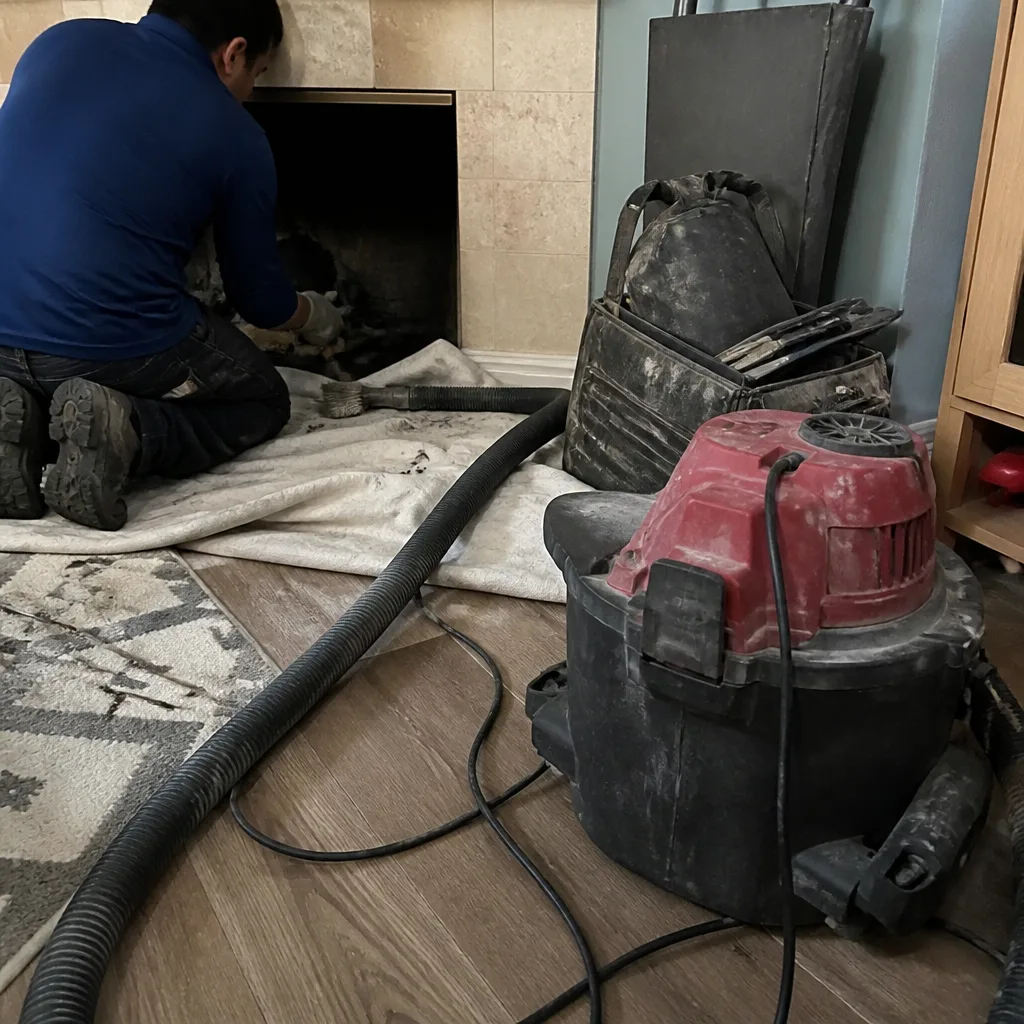 Before
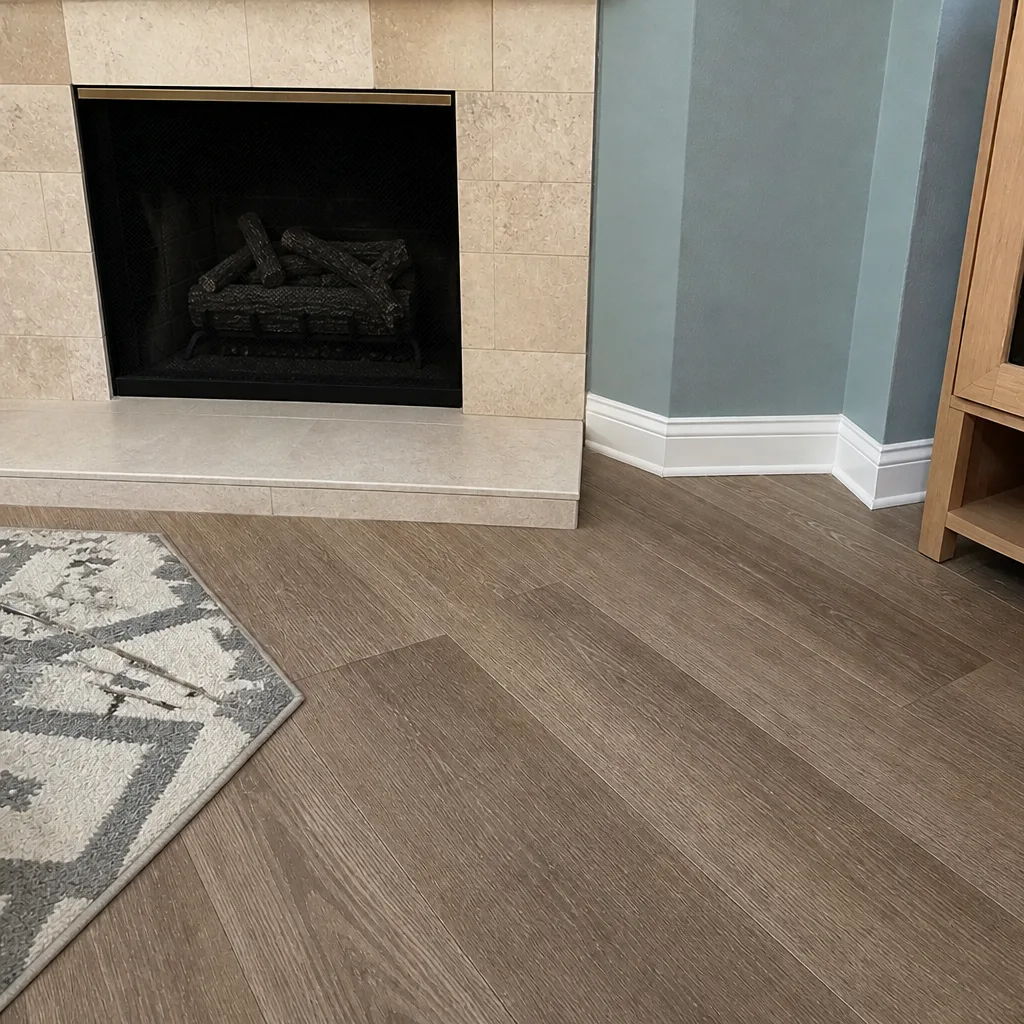 After
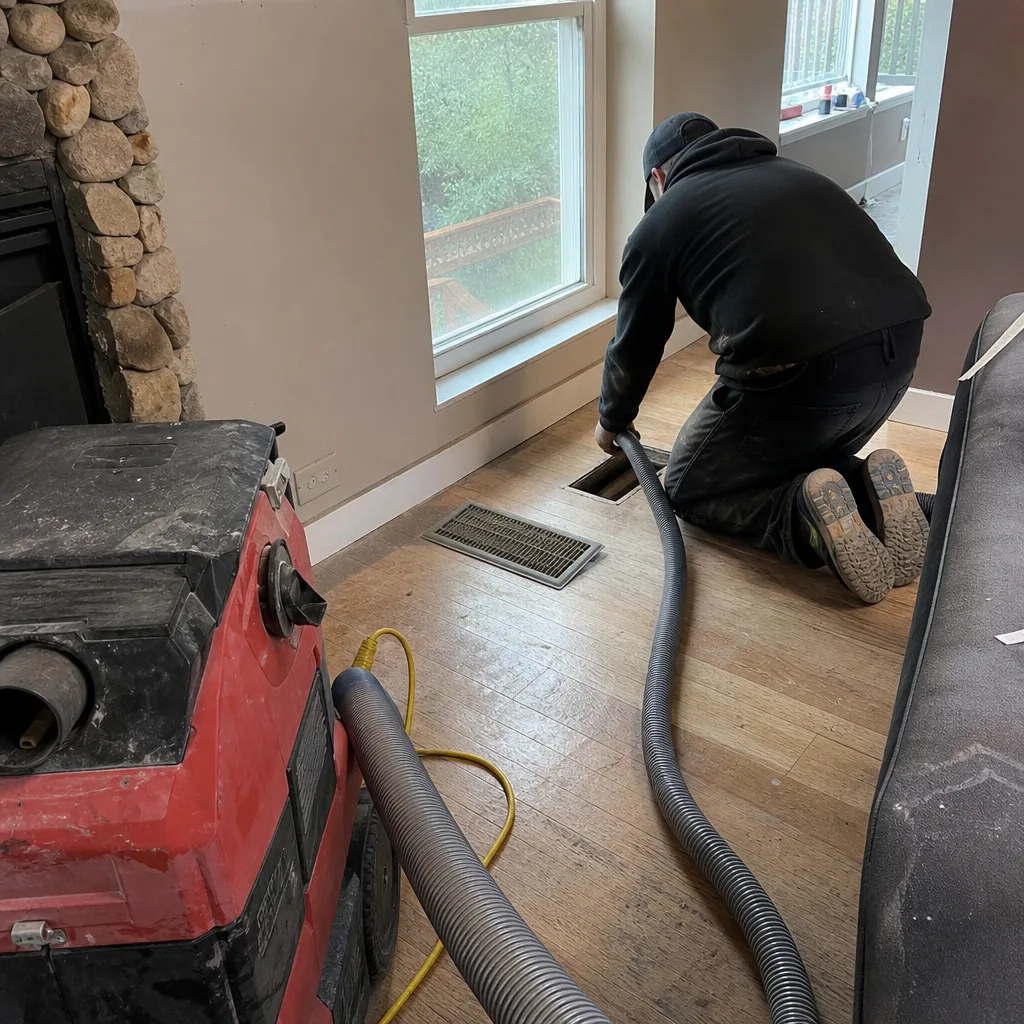 Before
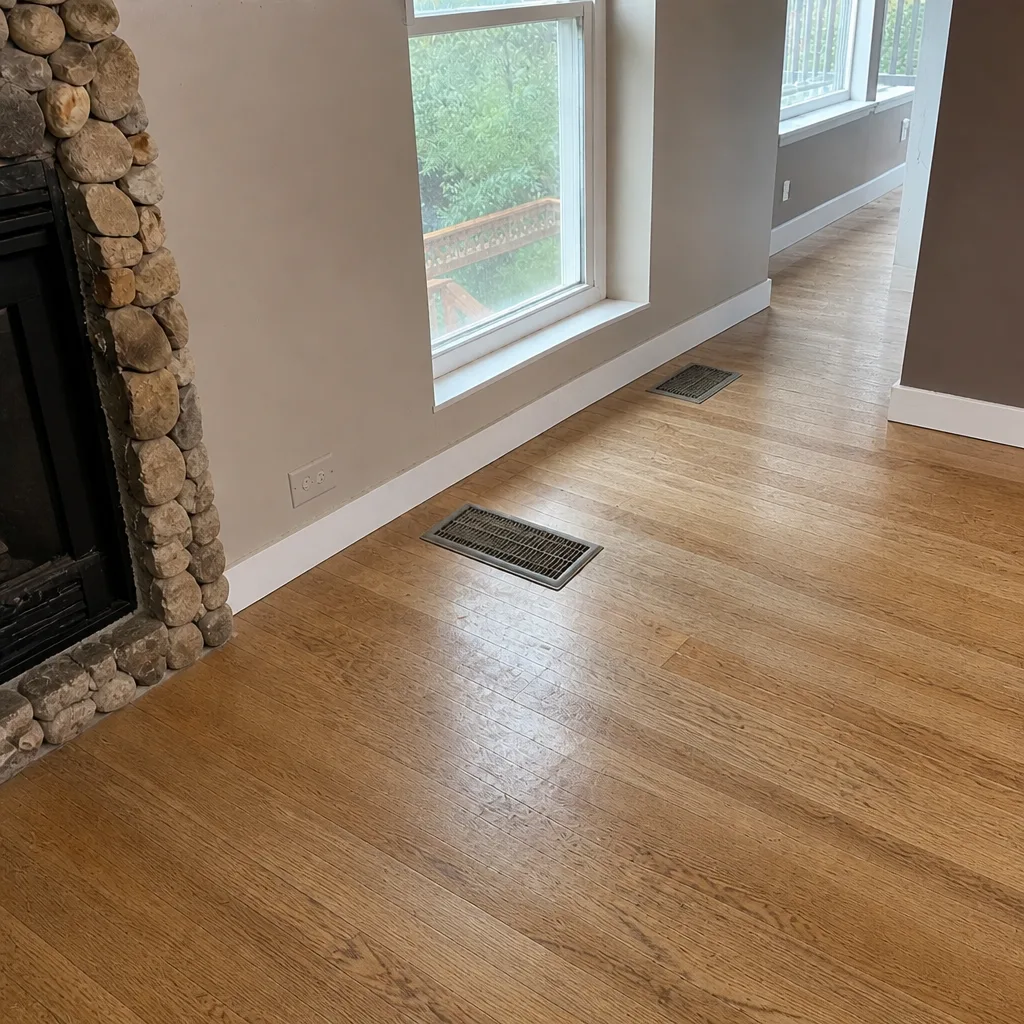 After
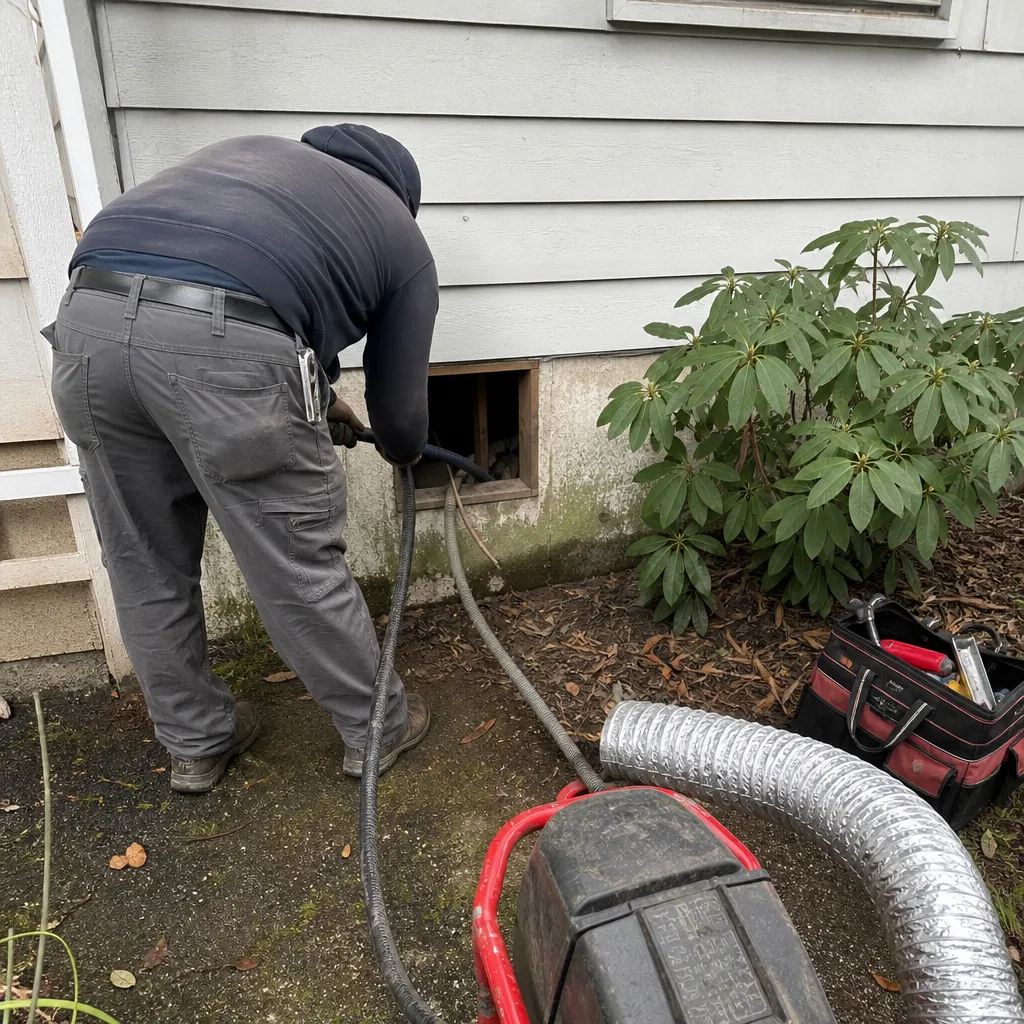 Before
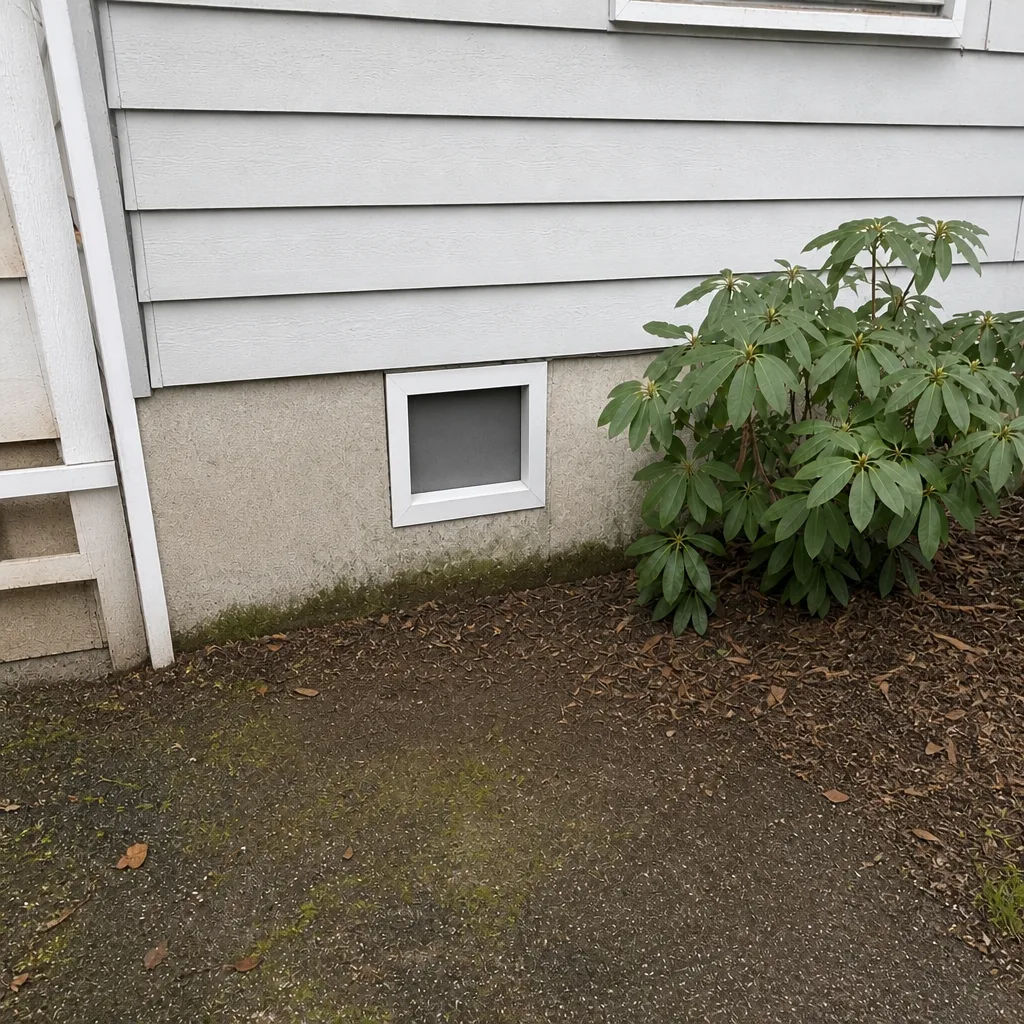 After
Frequently Asked Questions
Air duct cleaning in Lynnwood typically runs a few hundred dollars for a standard single-system home and more for larger systems, long duct runs, or jobs that include HVAC cleaning, dryer vent work, and sanitizing alongside the ducts. The price is set per job by a written estimate after an on-site walkthrough; there’s no per-vent rate we quote over the phone, because that number would just be a guess. Call (888) 743-3075 for an exact quote – estimates are free.
The cheapest quotes are almost always priced for less work: a smaller vacuum, a shorter visit, fewer components cleaned. A consumer-level unit on a narrow hose can’t pull the same volume a professional truck-mounted system does, so the job gets done in a fraction of the time and the ducts are only superficially disturbed. Compare line items, not totals – a quote at one-fifth the price is usually one-fifth the job.
You know the work was done when you see before-and-after photos of your own ducts, not stock imagery, and when the operator covers the sequence in the written estimate. Ask specifically how documentation is handled before booking. Any legitimate contractor will show you what came out of the system.
No. Washington State has no duct-cleaning-specific license class, so the only state-level credential is general contractor registration through L&I, which confirms the business is registered and bonded but says nothing about duct-specific training. The real credential to look for is NADCA full membership with an ASCS-certified technician on staff, which is a voluntary industry certification. Ask both questions and verify the L&I registration yourself.
Frequency depends on the home, not a calendar. Homes with pets, recent remodels, or heavy dust loads need it more often than a clean house with no recent construction. For most Lynnwood homes, cleaning is event-driven – a remodel, a move-in, visible debris, or a system that’s heating unevenly – rather than strictly periodic. Ask a qualified contractor to assess the system and tell you honestly whether it needs cleaning now or in a few years.
Yes, and you generally should. Ducts, blower, coil, and housing are one connected system, so cleaning the ducts while leaving the HVAC side untouched simply lets the system re-contaminate what was just cleaned. A full-system clean handles both together, and it’s what we recommend when the walkthrough shows debris on both sides. Call (888) 743-3075 to schedule an assessment – estimates are free.
The Bottom Line
Duct cleaning in Lynnwood has no mandatory license, which means vetting falls to you – and it’s simpler than the marketing noise suggests. Verify the L&I registration in under two minutes. Ask whether the contractor is a full NADCA member with an ASCS-certified technician. Ask for the vacuum’s CFM and hose diameter, plus a clear answer on containment method. Then insist on a line-item written estimate produced after an on-site walkthrough, in which the register gets pulled and the blower compartment inspected. Companies that pass all four checks are operating above the median for this trade; a company that names its equipment and its process is operating at the top of it. If a quote arrives with no walkthrough and no written estimate, that’s the whole answer.
Contact
Lynnwood Air Duct Cleaning handles the full duct ecosystem – cleaning, dryer vent, HVAC, repair and sealing, and sanitizing – using Rotobrush and Nikro systems, with Abatement Technologies containment equipment and Honeywell and Aprilaire air quality products available on the air-quality side. Our technicians have up to 15 years of experience, and every job gets one flat price per system agreed before work starts, backed by before-and-after photos of your own ducts. We install the air quality systems after cleaning, so the fix lasts. Call (888) 743-3075 for a free estimate. We answer 24/7. Fast dispatch from 7am to 7pm, Sunday through Friday.
Written by the team at Lynnwood Air Duct Cleaning.