
Last updated November 25, 2026
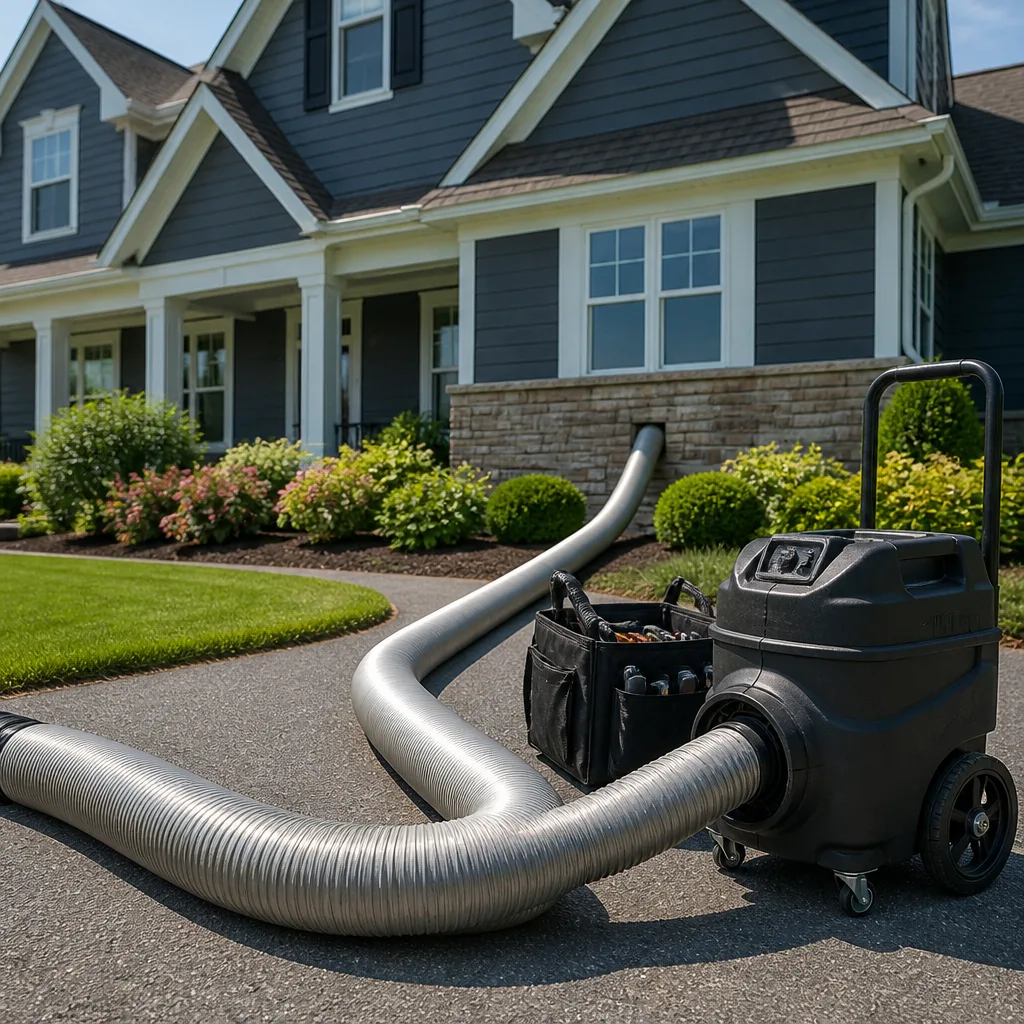 Whole-home duct cleaning
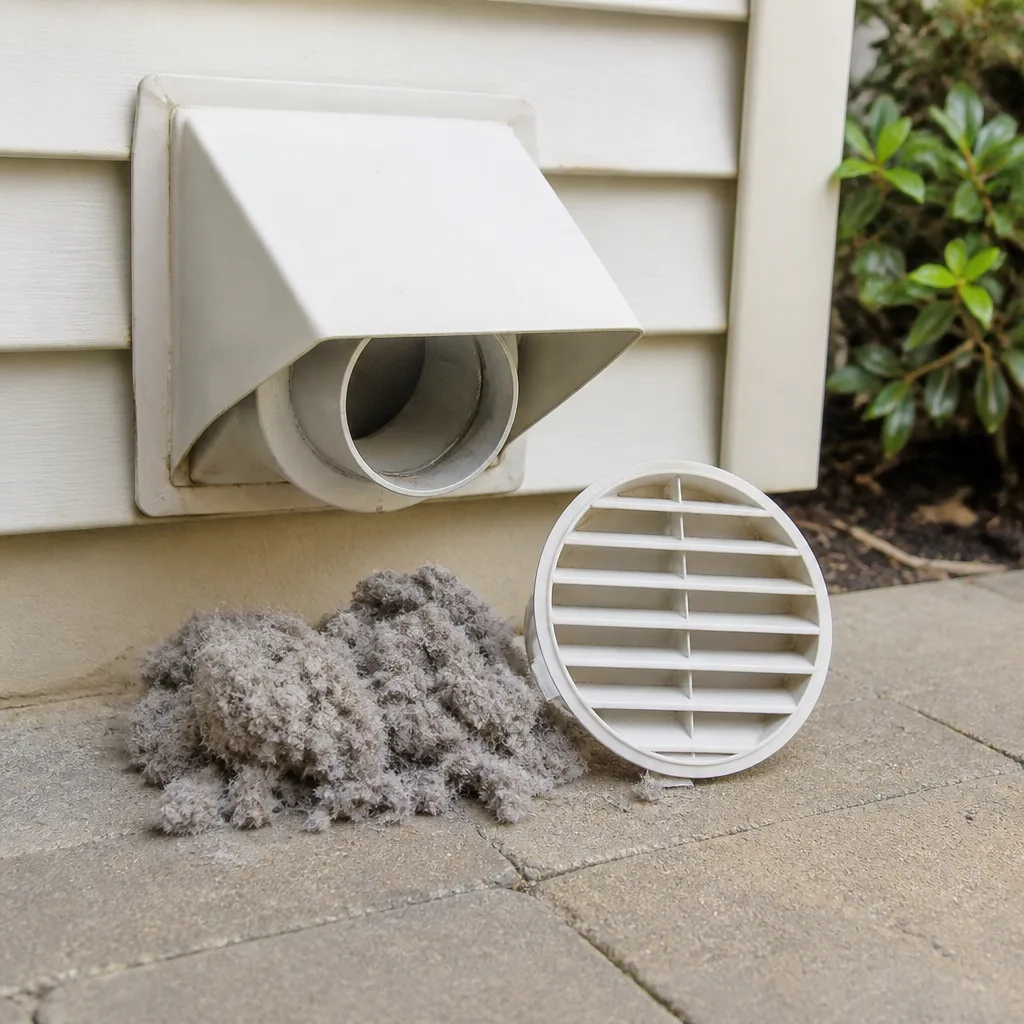 Dryer vent cleaning
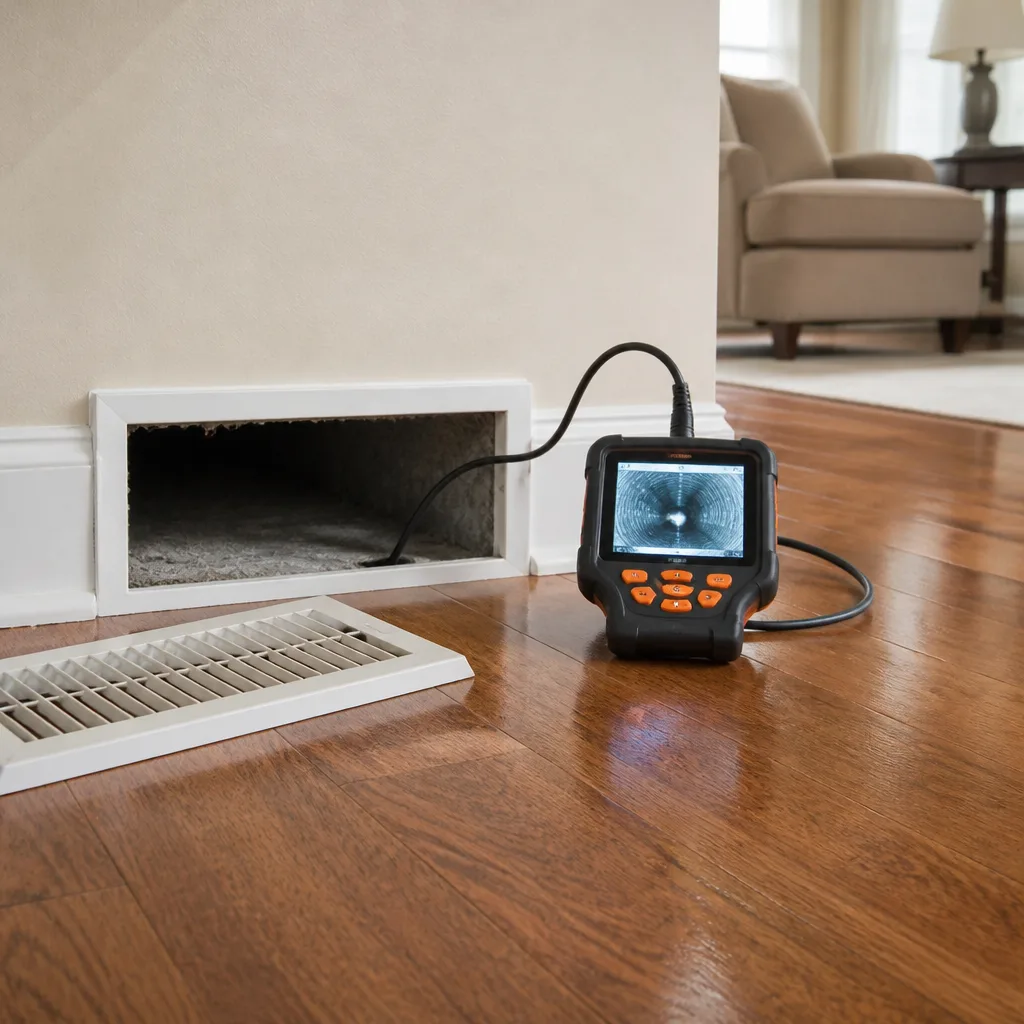 Camera inspection
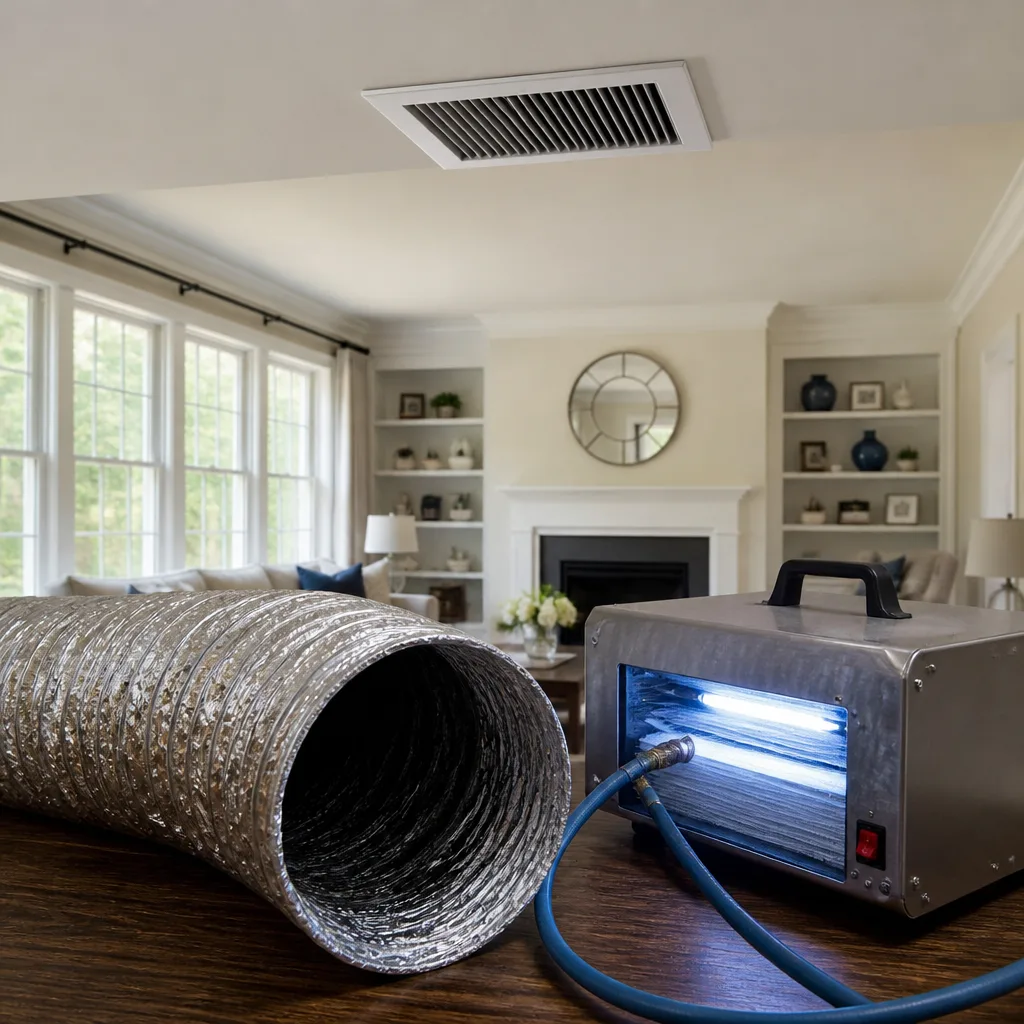 Sanitizing & deodorizing
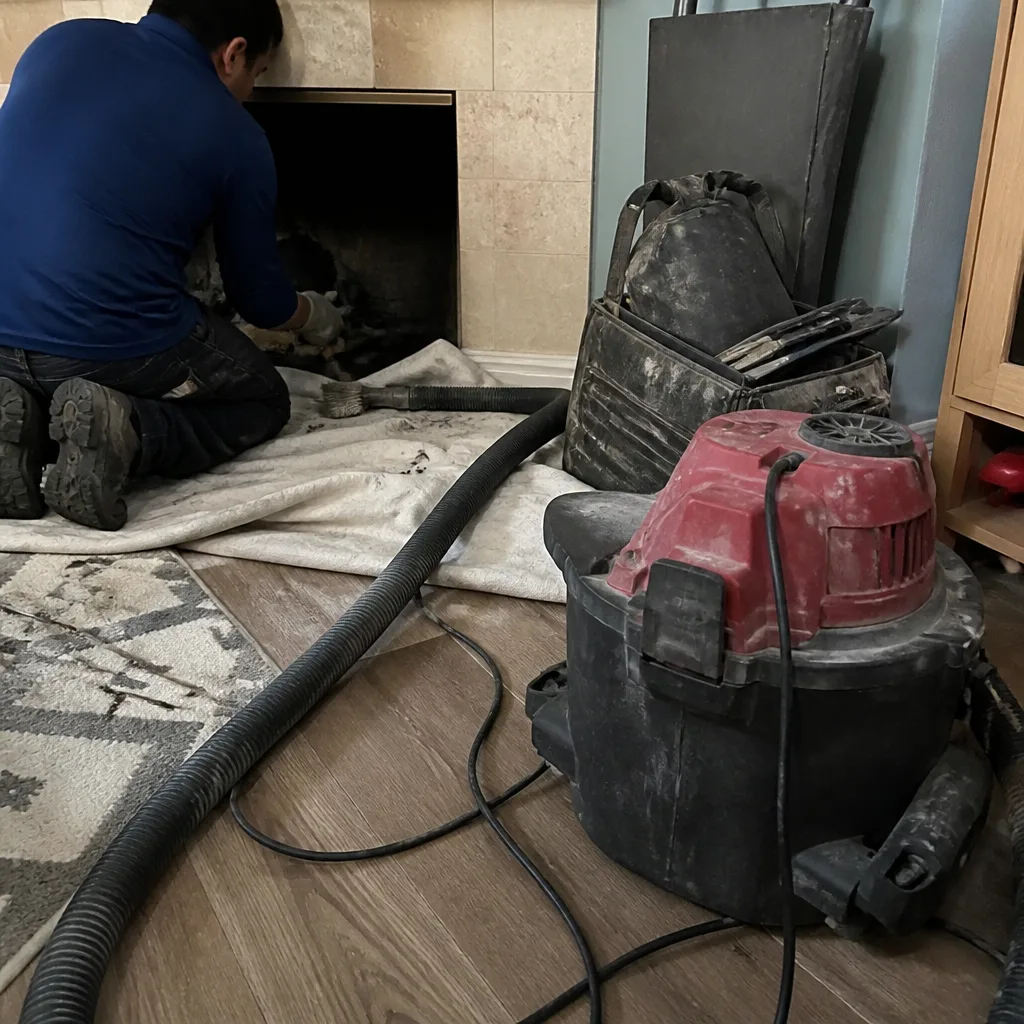
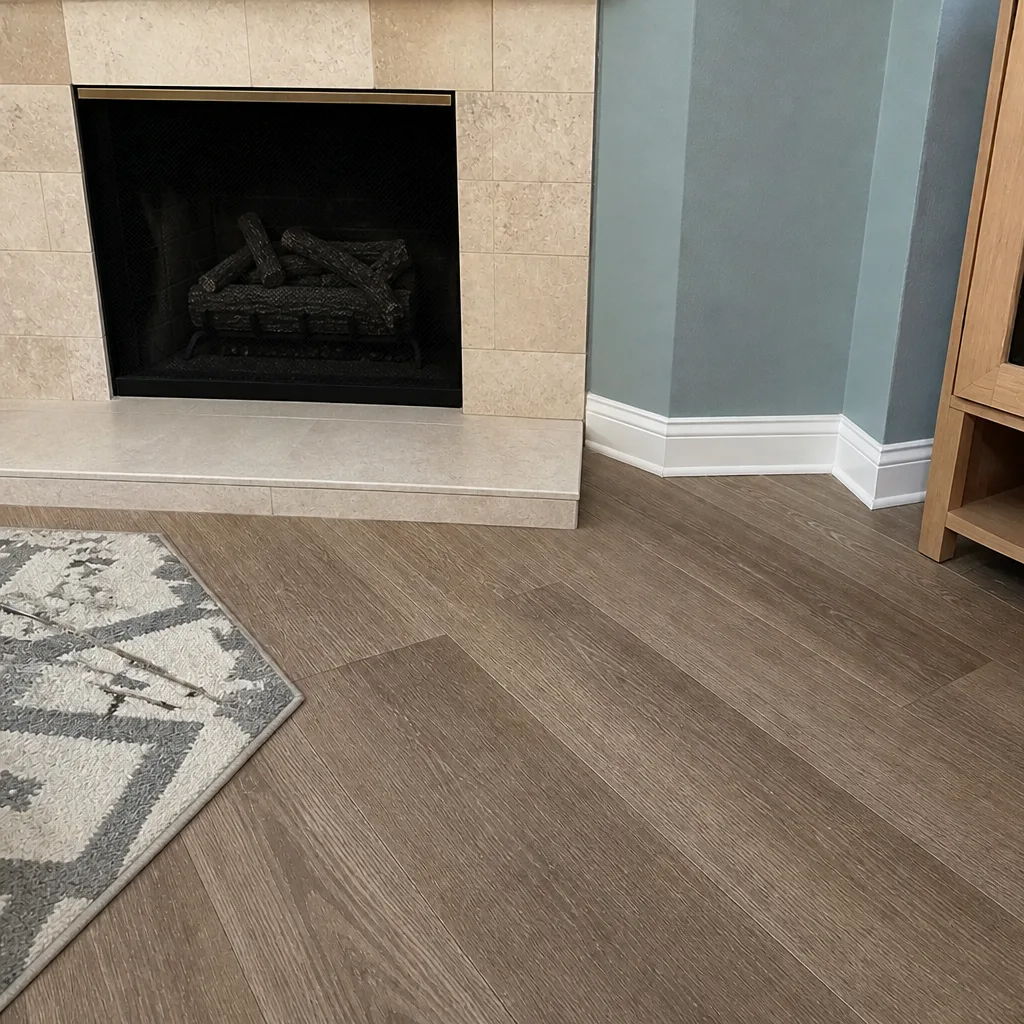
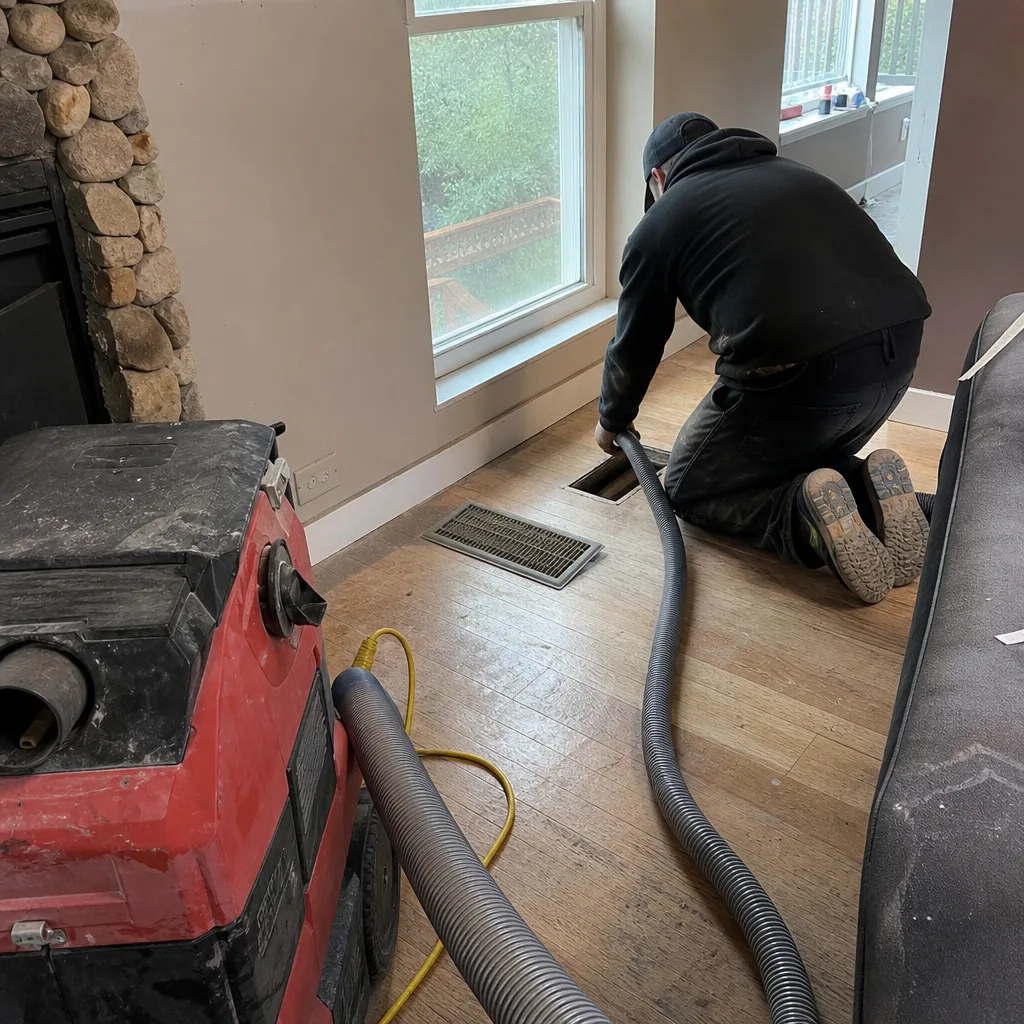
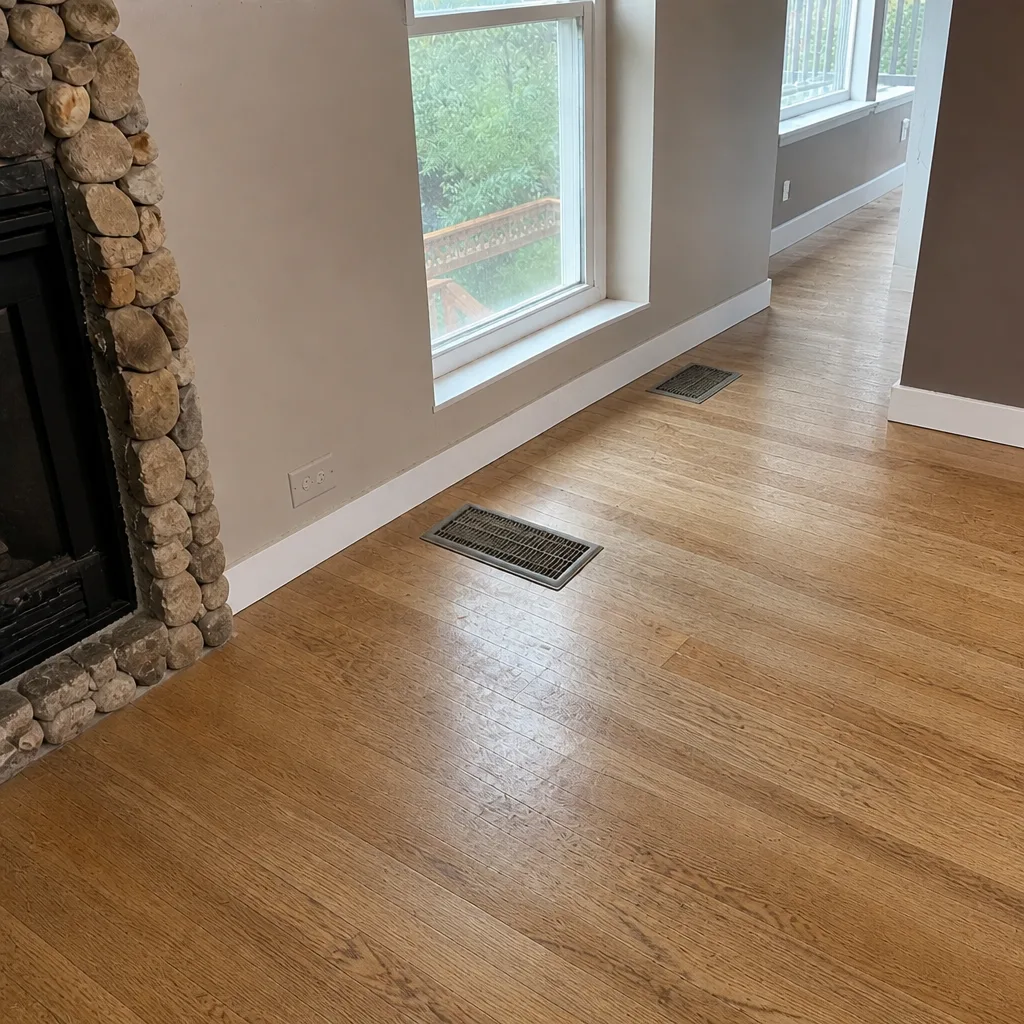
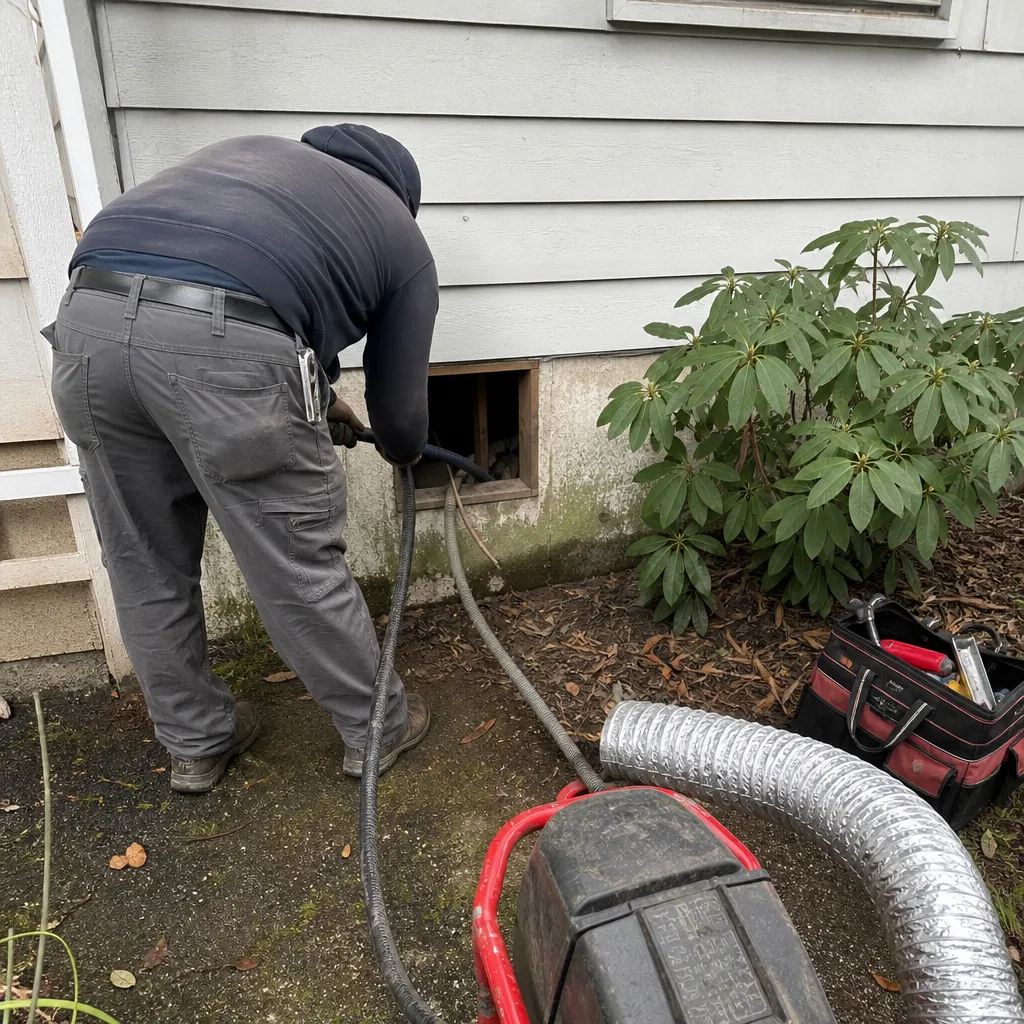
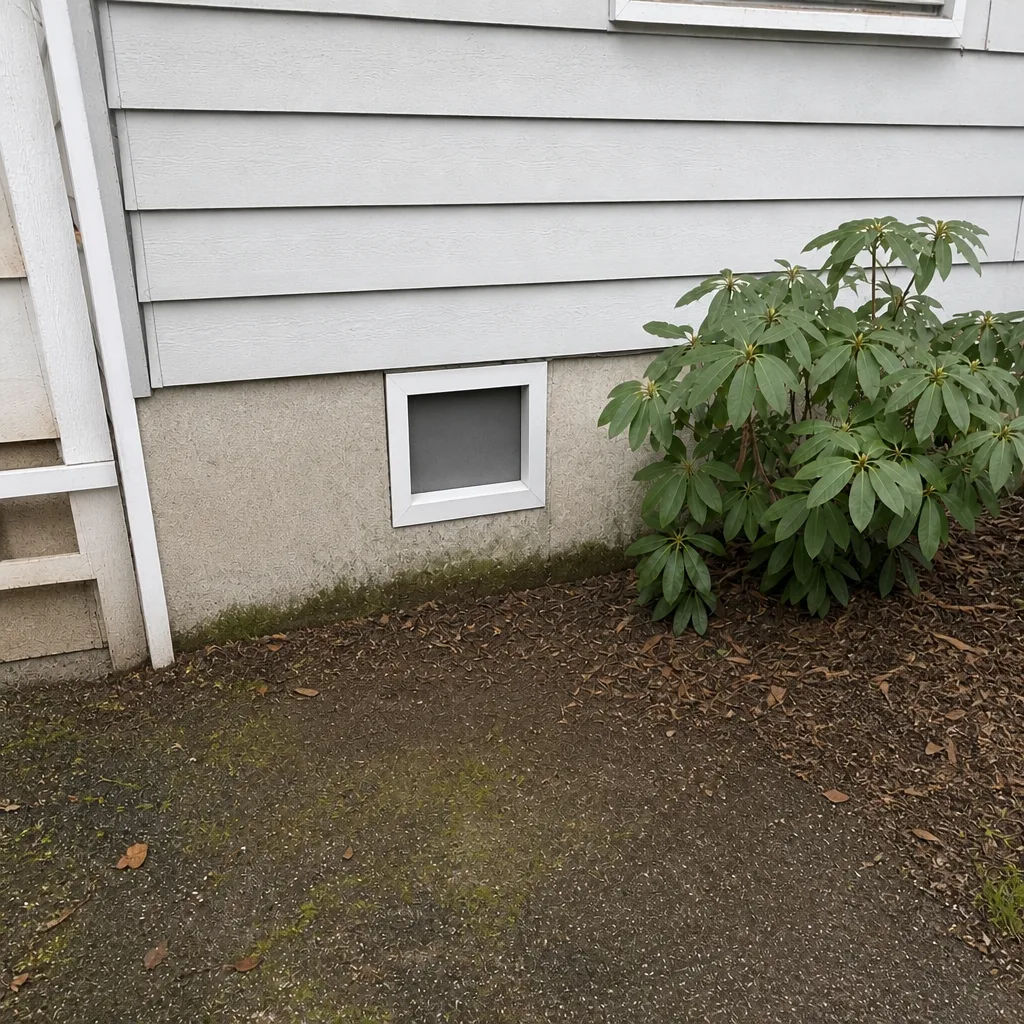
Whole-system duct and dryer vent check with before-and-after photos - you see exactly what came out of your vents
That "$99 whole-house special" is a bait ad - the real number appears once they are in your hallway, or the "clean" is a shop-vac at the register. We photograph the inside of your ducts before and after instead.
Seasonal Air Duct Cleaning Care for Lynnwood: Year-Round Homeowner’s Guide
Most homeowners here assume duct cleaning is a fall chore, something to knock out before the furnace kicks on and then forget about until next year. That logic works in dry climates. It doesn’t work in Lynnwood. With more than 37 inches of rain a year and winter humidity that rarely drops below 70%, the conditions inside your ductwork change four separate times before the next heating season arrives. A one-time annual cleaning treats all those changes as the same problem. They aren’t.
This guide walks through each season’s specific contamination risk in Lynnwood, what to watch for, and the targeted response for each. By the end you’ll know when to schedule a full-system clean, when a filter swap is enough, and why the calendar matters as much as the equipment.
Quick Answer
Seasonal air duct cleaning in Lynnwood means matching the service to what each season actually does to your ducts, not just cleaning once a year. Fall brings leaf debris through outdoor intakes and calls for a pre-heating-season check, winter raises condensation risk in poorly insulated flex runs, spring layers post-heating dust with pollen through returns, and summer wildfire smoke coats duct surfaces faster than a filter can stop it. A full-system clean plus the right filter intervals for each window keeps air quality measurable year round.
Styles & brands we work with
- Whole-home duct cleaning
- Dryer vent cleaning
- Camera inspection
- Sanitizing & deodorizing
Table of Contents
- Why Lynnwood’s Climate Changes the Duct Cleaning Calendar
- Fall: Leaf Debris and the Pre-Heating-Season Check
- Winter: Condensation Risk in Flex Duct Runs
- Spring: Post-Heating Dust and Pollen Infiltration
- Summer: Wildfire Smoke and What It Does to Duct Surfaces
- How to Set Filter Intervals by Season, Not by the 90-Day Rule
- A Year-Round Duct Care Schedule for Lynnwood Homes
- Common Mistakes to Avoid
- When to Call a Professional
- Frequently Asked Questions
Why Lynnwood’s Climate Changes the Duct Cleaning Calendar
Ductwork in a dry climate has one dominant enemy: dust. Ductwork in Lynnwood has four, and they arrive on a schedule. The rain that makes Lynnwood green also keeps the outdoor air carrying moisture most of the year, and moisture is what turns ordinary dust into something biological. When humidity sits at 70% or higher through winter, any organic material that lands on a duct surface has the conditions it needs to grow. In Phoenix, that same dust just sits there.
The National Weather Service records Lynnwood and the greater Puget Sound region at more than 37 inches of annual precipitation, and the winter months rarely offer the dry stretches that would let a home’s interior humidity drop naturally. Add continuous indoor heating from October through April and you have warm, moist, moving air passing over the same surfaces for months at a time. That’s the recipe for the musty smell a lot of Lynnwood homeowners notice around January but can’t place.
Four distinct contamination windows run through the year:
- Fall: outdoor debris (leaves, seed pods, fine grit) drawn into return intakes during the transition from cooling to heating.
- Winter: condensation forming in the coolest sections of flex duct runs, especially where insulation has compressed or detached.
- Spring: the buildup the heating season left behind, plus pollen pulled in through fresh-air returns.
- Summer: wildfire smoke particulates settling on duct surfaces when Western Washington smoke events push air quality into unhealthy ranges.
None of these replaces the others. Each is a separate problem with a separate response. Our Lynnwood Air Duct Cleaning approach treats them as a year-long cycle, and once you see the pattern it’s hard to unsee. Treating duct cleaning as a single annual task is why so many homes here still smell musty in February even after a fall clean.
Fall: Leaf Debris and the Pre-Heating-Season Check
Fall is the transition season, and here it happens on wet ground. Leaves stay damp for weeks, break down faster than they would in a dry climate, and shed fine organic grit that outdoor intakes pull into the return side of your system. If you have a fresh-air intake near a roofline, gutter, or ground-level vent, some of that debris reaches the return plenum and settles on the first filter it meets. Some passes through.
That’s why the more useful fall task isn’t the cleaning itself. It’s the pre-heating-season inspection before your system runs continuously for the first time since spring. A system that sat mostly idle for months is about to be asked to move air every day for six hours or more, and any ducting problem that was tolerable during a mild summer becomes a constant source of noise, dust, or cold spots once the furnace is running.
Here’s the sequence we recommend for Lynnwood homes in fall:
- Walk the exterior of your home and inspect any outdoor intake grilles for leaf accumulation. Clear leaves and seed pods by hand.
- Replace the return filter before the first heating cycle of the season, not after.
- Run the furnace for ten minutes on a cool morning and listen at each register for whistling, rattling, or any change from last winter.
- Check for dust streaks or dark halos around ceiling registers. That’s a sign of leakage at the boot, which pulls attic or wall-cavity air into the supply.
- Schedule a full-system clean if you skipped last year, or if you noticed any musty smell during the summer.
The pre-heating check is where a targeted air duct cleaning pays for itself. When the ducts get inspected before the system runs continuously, small problems (a loose joint, a collapsed flex section, a filter housing that no longer seats) get caught while they’re cheap. Caught in February, the same problem has been blowing attic air into your bedroom for four months.
Fall is also when leaf litter matters to your dryer’s exterior vent, not just your HVAC. If you haven’t cleared the exterior dryer vent hood since spring, now is the time, and our dryer vent cleaning team can confirm the run is clear before cold weather makes a short cycle harder to notice.
Winter: Condensation Risk in Flex Duct Runs
Winter in Lynnwood means the furnace runs every day, and warm moist air passes over duct surfaces that stay cool. In an insulated rigid duct, that’s fine. In flex duct where the outer jacket has compressed, torn, or pulled away from a fitting, the interior surface cools enough for condensation to form. Once condensation forms, dark staining and a musty odor follow, usually starting in the longest run to the coldest room in the house.
That’s the corridor of ductwork that climbs through a vented attic or runs across an unheated crawlspace. In Lynnwood’s climate the temperature differential between indoor air and those spaces is significant for months, and the moisture load in the air is high. The combination is where problems start.
What to monitor through winter:
- Musty smell when the heat first comes on. A faint scent at startup that fades within seconds is usually dust on the heat exchanger. A smell that persists ten minutes into the run is coming from the ducts.
- Visible condensation at flex duct low points. If you can see dampness on the exterior of any duct jacket, stop and call a pro.
- Uneven heating between rooms. A collapsed or disconnected flex run in an attic or crawlspace leaks warm air into the cavity before it reaches the register.
- Rising indoor humidity without a source. If a hygrometer reads above 60% indoors in winter on a day with dry outdoor air, something is adding moisture inside the envelope.
When we handle a winter inspection, we use Abatement Technologies equipment to establish negative-air containment where necessary, so a duct run over an attic space doesn’t spread loosened debris into the living area while we work. Guardsman-grade sanitizing finishes the decontamination step once the surfaces are clean. We don’t recommend anyone open a sealed flex run themselves to check for condensation. The jacket seal is the moisture barrier, and disturbing it makes the problem worse.
One firm safety note: if the musty smell is paired with any gas odor near the furnace, treat it as a gas leak and call your gas utility immediately. That’s a separate emergency from duct work.
Spring: Post-Heating Dust and Pollen Infiltration
Spring is the highest biological growth risk of the year in Lynnwood. The heating season has deposited a fresh layer of dust, skin cells, and fine lint on every duct surface. Outdoor temperatures are climbing, so the interior of a duct run is now warm. Pollen is coming in through outdoor air intakes and open windows. Warm, organic, and moist is the condition set that biology likes, and Lynnwood delivers it in April and May better than almost anywhere else in the country.
Most homes here use some mix of heating, cooling, and open windows through spring. That means the system isn’t running long enough to filter consistently, but the ducts are still exposed to outdoor air whenever a window is open near a return. Pollen is small enough to pass through standard filters. It settles on the duct surface and combines with the winter dust layer.
Spring duct work should focus on removal, not just filtration:
- Schedule a full-system clean once the heating season ends. Removing the winter dust layer before summer humidity arrives is the single most effective spring task.
- Have the supply and return plenums treated as part of the same job. Cleaning only the visible runs leaves the accumulated dust at the plenum to blow back through the system.
- Check and replace filters with the spring interval (see the filter section below, because it is shorter than you think in Lynnwood).
- Inspect the coil cabinet and furnace housing as part of the same visit. Our HVAC cleaning covers the coil and blower surfaces that the ducts feed into, so the whole system gets cleaned at once instead of in stages.
We use Rotobrush and Nikro systems on the duct interiors because they’re purpose-built for full-system cleaning, not for surface dust on the register face. The visible register tells you almost nothing. The interior of the run is where the spring dust layer sits. We show homeowners the before-and-after so they can see what came out, rather than take our word for it. That’s the visible-results standard we hold ourselves to, and it’s why we don’t quote a job without an inspection first.
Summer: Wildfire Smoke and What It Does to Duct Surfaces
Summer in Western Washington has one seasonal signature that didn’t exist in the region a few decades ago: wildfire smoke events that push outdoor air quality into unhealthy ranges for days at a stretch. The smoke plume from fires east of the Cascades, in British Columbia, or in eastern Washington drifts west and settles over the Puget Sound lowlands, Lynnwood included. When that happens, the particulate load in the outdoor air rises sharply.
What most homeowners miss is the way that smoke interacts with your ducts. A high-quality MERV-rated filter catches a lot of smoke particulates at the filter, and that’s the right first line of defense. But the return plenum and the first section of the return duct sit downwind of the filter housing. Smoke that enters through open windows, door gaps, or a fresh-air intake reaches those surfaces before any filter has a chance to stop it. When the system cycles, that particulate layer lifts back into the air a little at a time, and indoor air quality can stay depressed for weeks after the visible haze has cleared.
What a smoke season does to duct surfaces that a filter doesn’t:
- Fine ash deposits on the return plenum that are too small to see but accumulate on a black carbon layer.
- Oily, resinous smoke compounds that stick to duct interior surfaces and smell strongly when the heat comes back on in fall.
- Particulate that settles inside flex run ribs and stays there even after multiple filter changes.
If Lynnwood sees a significant smoke event during a summer, the targeted response is a full-system clean once air quality has returned to normal, not during the event. Cleaning while the smoke is still outside does nothing for the indoor layer that will land the next day. Our recommendation for a heavy smoke summer is a full-system clean in September. That handles the smoke and primes the system for the fall transition at the same time.
For homeowners who want more than a clean, we supply and install Honeywell and Aprilaire air quality products that extend the system’s ability to filter and manage humidity on an ongoing basis. That’s a different category from cleaning. Cleaning removes what’s already in the ducts; air quality equipment changes what reaches the ducts in the first place. Both matter, and both are on the table without needing to call a second contractor. One call, complete job.
How to Set Filter Intervals by Season, Not by the 90-Day Rule
The 90-day filter rule is a manufacturer’s baseline for average conditions. Lynnwood is not average conditions. With year-round high humidity, a winter heating season that runs continuously for six months, spring pollen, and summer smoke, the effective filter interval here is shorter, and it moves with the season. A homeowner who changes the filter every 90 days regardless of season usually ends up running a filter that’s already loaded through the toughest month of the year.
Instead, tie intervals to what each season does:
- Fall (September through November): check the filter at the start of the heating season and 30 days later. Leaf debris and pre-season dust load the first filter fast.
- Winter (December through March): check every 30 to 45 days. When the furnace runs continuously, the filter loads faster. Homes with pets or high interior dust visually on register faces should lean toward 30.
- Spring (April and May): replace when you schedule the full-system clean, and check again 30 days after. Pollen is the wildcard in May.
- Summer (June through August): inspect before any smoke event you hear forecast for Western Washington, and replace at the end of one. If A/C is running continuously, treat the filter the way you treat it in winter: check every 30 to 45 days.
A word on filter rating. When wildfire smoke is the driving concern, a higher MERV-rated filter catches more, but a filter with a very high rating can also restrict airflow and stress the blower if the system wasn’t designed for it. Ask before you upgrade rather than assuming higher is better. A short filter life at a rating your system can actually pull air through beats a long filter life at a rating it can’t.
A Year-Round Duct Care Schedule for Lynnwood Homes
Putting the four seasons on one calendar is the practical version of everything above. Here’s the annual framework we recommend for a typical Lynnwood home that runs both heating and at least some cooling:
- Early September: full-system clean before the heating season. Replace filter. Clear any outdoor intake grille.
- Mid-October: pre-heating-season check completed. Listen at each register on the first cool morning.
- January: inspect flex runs (visually, from outside the jacket) for condensation at low points. Check for musty odor at start of heating cycle.
- March: replace filter for the spring transition. Note any register dust streaks that appeared during winter.
- April or May: full-system clean to remove the winter dust layer before warm, humid air arrives. Combine with HVAC coil cleaning if the system includes A/C.
- July and August: monitor smoke forecasts. Replace filter before and after any significant event. Schedule a clean in September if a smoke event occurred.
Not every home needs a full-system clean twice a year. New construction with clean ductwork, no pets, and a well-sealed envelope may only need one annual clean plus careful filter management. An older Lynnwood home with flex duct in the attic, a pet, or a history of musty odors usually benefits from two: one in early fall and one in late spring. Duct repair and sealing changes the picture too. A leaky system that pulls attic air into the supply needs the leak fixed before a clean is worth doing.
If any of this feels like a lot to track on your own, that’s normal. The seasonal logic is simple once it’s mapped out, but the execution depends on what your specific system and ductwork look like. A free estimate visit is enough to build the calendar for your home rather than a generic one.
Common Mistakes to Avoid
- Treating duct cleaning as a once-a-year task. A single annual clean misses all four of Lynnwood’s contamination windows and leaves the winter condensation or summer smoke problem completely unaddressed between visits.
- Cleaning only the registers you can see. The visible register face tells you almost nothing. The dust that matters is in the plenum, the return trunks, and the flex run behind the drywall.
- Changing the filter strictly on a 90-day rule. A filter that hit its limit in January or during a July smoke event isn’t doing its job by the time the 90-day mark arrives. Match the interval to the season, not to a calendar reminder.
- Opening a sealed flex duct jacket yourself to check for condensation. The jacket is the moisture barrier. Once the seal is disturbed, condensation gets worse, not better. Call a technician.
- Chasing the lowest quote and getting a surface clean. A cheap quote that only brushes the trunks and skips the plenum or the coil cabinet looks like the same job on paper and leaves the actual dust in place.
- Skipping the pre-heating-season check. Running a system continuously for six months on top of a duct problem you didn’t catch in September turns a small fix into a big one by February.
- Ignoring a musty smell in January. In this climate a musty smell with the heat running is biology, not dust. It won’t resolve on its own, and it gets worse in spring.
When to Call a Professional
Call a professional when the symptom is inside the system, not outside it. A musty smell that shows up every time the heat runs is the most common sign. So is visible dust streaking around ceiling registers, which usually points to a leaking boot. Uneven room temperatures after the system has been running for an hour suggest a disconnected or collapsed run. Condensation on a duct jacket in an attic or crawlspace is an immediate call, not a watch-and-see. Any smoke event that pushed outdoor air quality into unhealthy ranges is a reason to schedule a clean in the weeks after, not during. Lynnwood Air Duct Cleaning offers free estimates in Lynnwood. Call (888) 743-3075. We answer 24/7. Fast dispatch from 7am to 7pm, Sunday through Friday.
Frequently Asked Questions
Most Lynnwood homes benefit from a full-system clean once a year, and homes with pets, flex duct in the attic, or a history of musty odors usually benefit from two: one in early fall before the heating season and one in late spring after it. The right interval depends on your system, not on a generic rule. Call (888) 743-3075 for an exact quote. Estimates are free.
A musty smell in January usually means condensation is forming somewhere in the duct run and something is growing on a surface the fall clean couldn’t reach or didn’t address. It’s more common in flex duct that runs across an attic or crawlspace where the jacket has compressed. If the smell starts within ten minutes of the furnace running, it’s in the ducts. Call (888) 743-3075 for an exact quote. Estimates are free.
Yes. Smoke particulate enters through windows, door gaps, and fresh-air intakes and settles on the return plenum and the first section of return duct before the filter can catch all of it. A MERV-rated filter catches a lot at the filter, but not the fine ash that lands on duct surfaces. A clean in September after a smoke summer is the targeted response. Call (888) 743-3075 for an exact quote. Estimates are free.
Pricing is per job by written estimate after an inspection, so we don’t quote a number before we see the system. The final price depends on the number of runs, the system type, whether the plenum and coil cabinet are included, and whether repair or sealing is needed. We don’t price per vent and we don’t use a low teaser figure that grows once we’re on site. Call (888) 743-3075 for an exact quote. Estimates are free.
Because they’re quoting a different job. A low quote usually means one pass with a shop vacuum on the visible runs, no plenum cleaning, no coil cabinet, and no inspection. The dust doesn’t go anywhere it wasn’t already. We use Rotobrush and Nikro systems on the full system, and we hand you before-and-after photos of your own ducts, so you see exactly what came out and what was clean when we started. Call (888) 743-3075 for an exact quote. Estimates are free.
Ask for before-and-after photos of your own ducts. That’s the standard we hold ourselves to on every job. If the company can’t show you the inside of the plenum and the return trunk from before the clean, you have no way to know whether the dust that was there is gone. Call (888) 743-3075 for an exact quote. Estimates are free.
The Bottom Line
Lynnwood’s climate doesn’t have a single best season for duct cleaning. It has four, each with its own risk and its own response: fall prep before the heating season, winter monitoring for condensation, spring removal of the winter dust layer, and summer recovery from wildfire smoke. Treating the schedule as one annual task misses three of the four. A full-system clean, seasonal filter intervals, and a pre-heating-season check together keep air quality measurable all year, and that’s a genuinely different approach than the 90-day filter rule and annual clean most homes use.
If you want a calendar built for your specific system rather than a generic one, we’ll come out and look at what you’ve got. We use Rotobrush and Nikro on the duct interiors, Abatement Technologies for containment on attic work, and Guardsman-grade sanitizing on the decontamination step, and we show you the before-and-after so you’re not taking anyone’s word for it. One flat price per system agreed before work starts, and a satisfaction guarantee behind it. Call (888) 743-3075 for a free estimate. We answer 24/7. Fast dispatch from 7am to 7pm, Sunday through Friday.
Written by the team at Lynnwood Air Duct Cleaning.
See the difference
 Before
 After
 Before
 After
 Before
 After